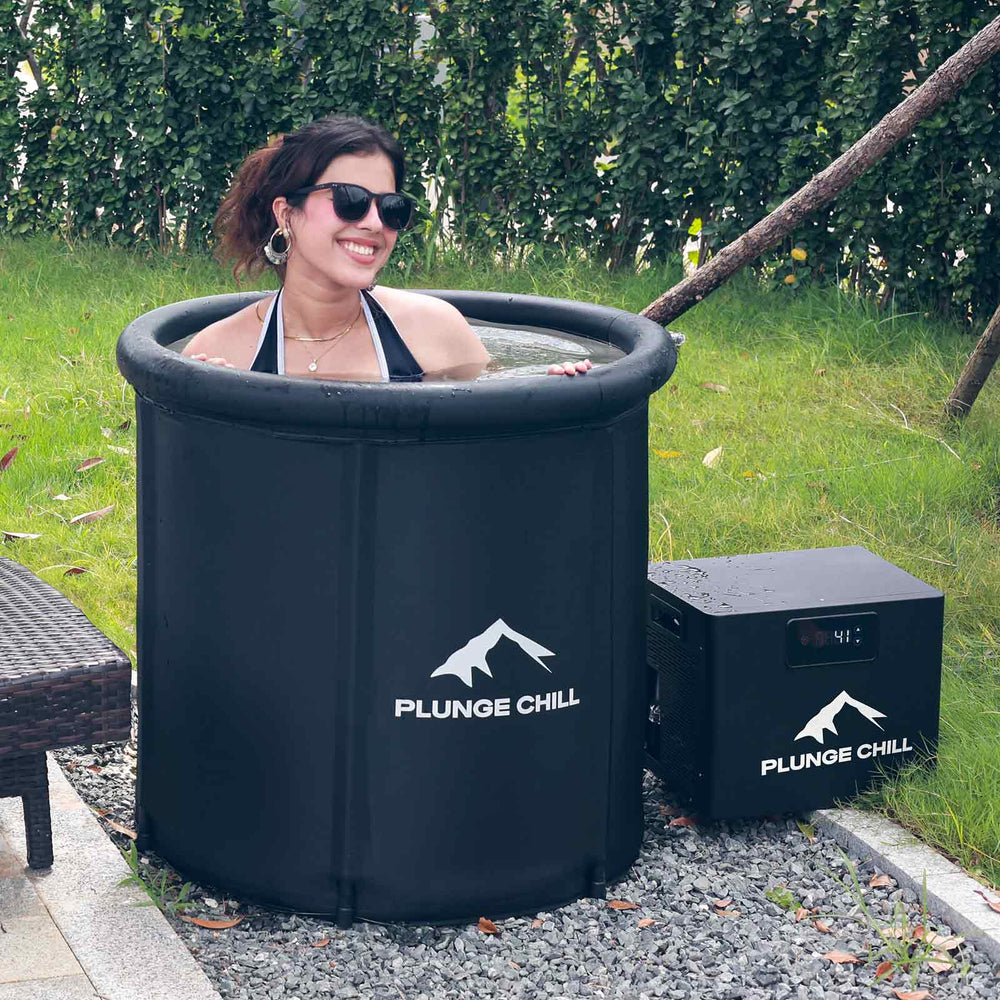
Cold exposure is more than a trend; it is a controlled way to rehearse stress so your nervous system learns how to downshift under pressure. As a sports rehabilitation specialist and strength coach who also evaluates cold plunge products, I use cold water immersion to help athletes and busy professionals build stress resilience, manage soreness during congested training blocks, and sharpen the mind for demanding days. The science is promising but uneven. Some effects are robust and time dependent, while others remain preliminary or context specific. This article organizes what we know, what to try, and how to do it safely at home, with practical buying guidance if you are considering a dedicated cold plunge.
How Cold Trains Calm: What Happens in Your Body
Cold exposure is a hormetic stressor, meaning a small, time-limited stress drives an adaptive response that leaves you more capable later. The first seconds in cold water trigger the classic cold-shock response: breathing accelerates, heart rate rises, and sympathetic activity spikes. Your goal is not to avoid that reflex entirely but to steer it. When you settle your breathing and extend your exhales, you train the prefrontal cortex to exert top‑down control over limbic and brainstem arousal. Over time, that practice appears to generalize to non-cold stressors, so the same skills help you stay composed in traffic, boardrooms, and fourth‑quarter drives.
At the chemical level, cold evokes bursts of epinephrine and norepinephrine that increase alertness and help you focus for hours, as summarized by the Huberman Lab newsletter. Cold also engages pain‑modulating and mood‑related neurochemistry, including beta‑endorphins. Controlled human work has shown that short, head‑out immersion around 68°F can acutely increase positive affect and reorganize large‑scale brain network connectivity in patterns consistent with better attentional control and motivation. That fMRI‑based finding aligns with the lived experience of many trainees who feel sharp and energized after brief cold.
A separate pathway involves the autonomic nervous system balance. With repeated exposures, many individuals report an easier transition from fight‑or‑flight to rest‑and‑digest after the initial shock. This shift is sometimes indexed by heart rate variability and is consistent with hypotheses about vagal involvement in downregulating inflammation. A review in GeroScience describes plausible links between cold exposure, metabolic health via brown adipose tissue activation, and healthy aging, while also emphasizing that definitive dosing rules are not yet established.
What the Evidence Actually Shows
Meta-analytic data from PLOS ONE offers a useful reality check. In healthy adults, cold water immersion at or below 59°F for at least 30 seconds produced an immediate rise in inflammatory markers and a sustained rise one hour later, followed by a reduction in perceived stress at about 12 hours. Mood changes were inconsistent across pooled trials, though several studies suggested better sleep and small quality-of-life improvements. The takeaway is that cold immersion is not an instant anti-inflammatory magic trick; it is a stimulus that provokes an acute spike and later rebalancing. That time course matters when you plan sessions around training or work.
Complementing that, a University of Oregon study reported that a single 15‑minute immersion produced short‑term drops in heart rate, blood pressure, and cortisol, with improved mood three hours later. The magnitude was modest and the sample was limited to college students, which means you should see this as a plausible mechanism and a nudge toward cautious optimism rather than a universal rule. On the mental side, a head‑out, five‑minute immersion near 68°F increased positive affect and reorganized connectivity among default mode, salience, frontoparietal, and attention networks, which matches many athletes’ description of feeling more present, energized, and decisive after cold practice.
Clinical applications for anxiety and depression remain early and heterogeneous. A registered protocol in Frontiers in Psychiatry lays out how future systematic reviews will parse temperature bins, exposure depth, frequency, and validated mental health measures to answer questions that matter to clinicians. Meanwhile, everyday guidance from Mayo Clinic and UCLA Health frames cold exposure as an adjunct rather than a primary treatment, with clear cautions for people with cardiovascular disease, Raynaud’s, respiratory issues, or pregnancy.

Overlooked but Actionable Nuances Embedded in the Data
There are three practical insights that routinely get glossed over. First, much of the stronger data involves immersion rather than showers. The PLOS ONE review included ten bath-based protocols and only one shower‑based intervention, which suggests the widely repeated shower recommendations are extrapolations. If you rely on showers because they are accessible, that is fine; just know the evidence transfer is partial, and you may need cooler water or longer exposure to approximate an immersion dose. Second, many general‑audience write‑ups claim a consistent reduction in inflammation, yet pooled trials show an acute increase followed by later stress relief. The disagreement likely stems from different time points, outcome definitions, and whether the cold was paired with exercise. Third, cold after lifting can blunt hypertrophy signals and muscle growth over weeks. This is not hypothetical; it is observed in training studies and summarized by Mayo Clinic and sports physiology reviews. If you are chasing maximal size, avoid cold immersion right after strength work and reschedule it to mornings, rest days, or at least six to eight hours later.
One frequently repeated figure claims a very large dopamine rise in moderate cold. The Huberman Lab newsletter cites dopamine increases after extended cold-water immersion, but the exact magnitude reported across popular media varies and is not uniformly replicated in short, briefer plunges. Suggested verification step: review the original human dopamine measurements and replication studies to confirm temperatures, depth, head position, and exact sampling windows.
Another common talking point is that adding short cold finishes to daily showers reduces sick days by about 29 percent. Some summaries cite 60 days of cold finishes; others cite 90 days. Those discrepancies probably reflect different retellings of the same Dutch trial’s intervention and follow‑up windows. Suggested verification step: check the original trial protocol for the planned intervention period and the analytic window for absenteeism.

How to Structure Cold for Stress Resilience
In practice, I prefer morning sessions for stress resilience and mental clarity. Early-day cold provides a clean signal, aligns with circadian alerting, and avoids the post‑cold rise in core temperature that can interfere with sleep if you plunge late. Start with water that is uncomfortably cold but safe for two to three minutes. For most healthy beginners, that is usually around 55 to 60°F in a tub or barrel where you can submerge up to the neck while keeping the face out. End the shower or plunge with cold if you use contrast, then rewarm naturally with movement and clothing rather than blasting hot air immediately. Some performance scientists refer to this as the Søeberg Principle; the idea is that allowing mild shivering trains thermogenesis and deepens the adaptation, although precision dosing still depends on personal tolerance.
Breathing is your main lever to keep your prefrontal cortex online. Throughout the first minute, emphasize long exhales, such as a four‑second inhale, four‑second hold, and four‑second exhale pattern. Avoid pre‑plunge hyperventilation or aggressive breath holds; several safety advisories caution against them because they can suppress protective reflexes in cold water. The first training goal is not endurance but composure. The timer is a tool for commitment, not a badge of honor, so exit if your breathing becomes erratic or if numbness is climbing rapidly.
With adaptation, either add time or lower temperature, but not both at once. A widely cited baseline suggestion is around 11 minutes per week split across two to four sessions. That aligns with everyday feasibility for most people and allows progress without excessive stress. If you want to amplify the stimulus without dropping temperature, agitate the water. Cold tubs with circulating jets or even purposeful limb movement break the thin warm layer hugging your skin, sometimes called the thermal barrier, and make the same setpoint feel significantly colder.
|
Objective |
Suggested water temperature |
Typical duration per session |
Weekly frequency |
Timing notes |
Evidence anchor |
|
Stress resilience and focus |
50–60°F |
1–5 minutes |
2–4 sessions |
Morning preferred; keep face out initially |
Huberman Lab newsletter; PLOS ONE meta-analysis time course |
|
Soreness during congested training blocks |
50–59°F |
5–10 minutes total, possibly in short bouts |
As needed during tournaments or dense weeks |
Avoid immediately after hypertrophy sessions when size gains matter |
Mayo Clinic; sports physiology summaries in podcast notes |
|
Sleep support via earlier daytime arousal |
50–60°F |
1–3 minutes |
2–3 sessions |
Early day only; avoid late evening |
UCLA Health, GeroScience review mentions sleep quality |
|
Cardiovascular mood lift on select days |
50–59°F |
5–15 minutes based on tolerance |
One session |
Not for first-timers; monitor BP and dizziness |
Journal of Thermal Biology single‑session study |
Every line in the table is a starting point rather than a prescription. The meta‑analysis emphasizes that optimal dosing remains uncertain. If you have any medical conditions, consult a clinician first and progress more slowly.

Pros, Cons, and Training Trade‑offs
Cold immersion offers three consistent upsides when used judiciously. First, it creates a reliable practice ground for calming the breath and mind under stress. That top‑down skill is transferrable to everyday stressors. Second, it can reduce perceived soreness and help athletes feel ready in tournament weeks, when rapid turnaround is more valuable than long-term adaptation. Third, several studies and reviews point to improved sleep quality and small improvements in quality of life, outcomes that often matter more to busy professionals than single-lab biomarkers.
There are also clear trade‑offs. The acute inflammatory spike is real, especially in the first hour, so if you chase a blood-work anti-inflammatory effect, you may misinterpret the timeline. If hypertrophy is a priority, avoid cold immediately after lifting and push the session to another time of day or to rest days. Expectancy effects also matter: trials show that belief and ritual can shift perceptions of recovery. That is not a reason to dismiss cold; it is a reason to focus on consistent, transparent routines and to pair cold with other proven levers such as resistance training, aerobic work, nutrition, psychotherapy when indicated, and adequate sleep.

Safety, Contraindications, and Common-Sense Guardrails
Most healthy adults tolerate brief cold exposures at home when they progress gradually, but safety is not negotiable. Cold shock can cause gasping and hyperventilation. In water, that raises drowning risk, which is why you should never plunge alone and should keep your face out until you have stable, slow exhales. If you have cardiovascular disease or risk factors, Raynaud’s, respiratory conditions, diabetes complications, or are pregnant, speak with a clinician first. Use thermometers, avoid hazardous open water, and prepare warm clothing to reheat promptly. Do not attempt breath holds or pre‑plunge hyperventilation, and never force through dizziness, chest pain, or uncontrolled shivering.
When to Use Cold Around Strength and Conditioning
In strength phases that emphasize muscle growth, schedule cold away from sessions. Putting ten to fifteen minutes of cold immediately after lifting has been shown to dampen anabolic signaling and reduce muscle fiber hypertrophy across multi‑week programs, while strength outcomes may be less affected. In endurance or mixed phases, the trade‑off is softer, and cooling can be placed where it supports adherence and readiness. For combat sports weigh‑ins, tournament weeks, or back‑to‑back games, my priority is rapid perceived recovery and mental sharpness; in these contexts, post‑session immersion can be a purposeful choice.
|
Goal |
Place cold relative to training |
Rationale |
Notes |
|
Maximize hypertrophy |
Separate cold by 6–8 hours or use on rest days |
Avoid blunting anabolic signaling |
Use light mobility or parasympathetic breath work post-lift instead |
|
Maintain readiness in dense competition |
Immediately post‑event or same day |
Reduce soreness, perceived fatigue, and boost alertness |
Accept trade‑off on adaptation in exchange for next‑day output |
|
Stress inoculation and mindset |
Morning on non‑lifting days |
Clean signal for breath control and arousal training |
Keep sessions brief and consistent |

Buying and Care Guide: From DIY to Dedicated Cold Plunge
There are three broad paths to start. A cold shower is the simplest and cheapest entry point. It is accessible, teaches breath control, and can be done daily without logistics. The main limitation is stimulus control because temperature and water coverage fluctuate, and shower evidence is sparser than immersion evidence. A DIY tub such as a repurposed stock tank or a standard bathtub with ice offers true immersion and better dose control, but it demands manual cooling, heavy ice runs, and careful sanitation. A dedicated plunge system adds precision and convenience. It allows set‑and‑hold temperatures from about 40°F to 104°F, keeps water moving, and integrates filtration, ozone, or UV sanitation. For example, the Michael Phelps Chilly GOAT Cold Tub offers app‑based control across that range and dual flow for consistent intensity, making it simple to hit the same dose each session. Commercial plunge tanks can cost up to $20,000 according to Mayo Clinic, although many consumer units run far less. Whole‑body cryotherapy chambers cool air rather than water and can reach extremely low temperatures between roughly −148°F and −220°F for a few minutes. They are convenient in urban clinics and cost about $40 to $75 per session, but they are not equivalent to head‑out water immersion in coverage or thermal conductivity.
|
Option |
Temperature control |
Water movement |
Sanitation |
Setup and maintenance |
Typical cost context |
|
Cold shower |
Limited and variable |
Low |
N/A for water reuse |
Easiest; no storage |
Lowest; included with home utilities |
|
DIY tub with ice |
Manual ice load; variable |
Low unless stirred |
Manual chemicals; frequent water change |
Labor‑intensive; drain and clean often |
Ice cost adds up over time |
|
Dedicated plunge tub |
Precise setpoint; 40–104°F typical |
Built‑in circulation; adjustable jets |
Filters plus ozone/UV common |
Replace filters; test sanitizer; wipe surfaces |
Upfront purchase; lower ongoing effort |
|
Cryotherapy chamber |
Air temp; extremely low |
Not applicable |
Not applicable |
No water care; travel to clinic |
Per‑session fee; memberships common |
When comparing plunge products, prioritize temperature range, reliability, filtration quality, energy efficiency, footprint, noise, and serviceability. For households, I look for insulated plumbing, accessible drains, a grounded GFCI outlet, and a clear filtration schedule with parts that are easy to source. App control and programmable timers are nice to have when you share the tub or want it cold at the same time every morning. Rigorous sanitation matters; require a pre‑rinse, skim and filter regularly, maintain sanitizer levels per the manufacturer, and replace filters on schedule. If skin sensitivity is a concern, favor ozone and UV in tandem with a low sanitizer target rather than higher chemical loads alone. For those who prefer minimal maintenance and live near a reliable clinic, cryotherapy can be a practical alternative, understanding that the stimulus differs from water immersion.
Care, Progression, and Everyday Use
Consistency outperforms heroics. A sustainable starting sequence is to finish warm showers with 30 to 60 seconds cold for one to two weeks, then add one to three short immersions per week at about 55 to 60°F. As your control improves, bring the tub cooler or extend sessions a minute at a time, holding weekly total time near the 11‑minute baseline for a month before considering more. Many people find they sleep better when they keep cold earlier in the day and pair it with sunlight exposure in the morning and a wind‑down routine at night. For motivation and accountability, training with a partner can make sessions more consistent and safer, and a simple timer or watch helps ensure you hit the intended duration without overthinking.
Contrast therapy, alternating hot and cold, is popular in facilities with saunas. Starting warm can make the first minute of cold more tolerable. If you use contrast, end on cold and move to rewarm naturally, which supports a clearer alertness signal and may encourage more thermogenic adaptation.

Frequently Asked Questions
What is the best temperature to train resilience without overdoing it? For most healthy beginners, the sweet spot is between 50 and 60°F for one to three minutes while you practice slow, long exhales and keep your face out. The PLOS ONE review anchored immersion at or below 59°F and showed a time‑dependent pattern of responses. If the session is so cold that you cannot control your breathing within the first minute, warm it up a few degrees and try again the next day.
Should I cold plunge right after lifting weights? Not if muscle size is a top priority. Several training studies summarized by Mayo Clinic and sport physiology sources show that post‑lift immersion dampens anabolic signaling and reduces hypertrophy over weeks. If strength or size matters, schedule cold at least six to eight hours after lifting, or move it to mornings or rest days.
Are cold showers “good enough,” or do I need a plunge? Showers are an accessible way to learn breath control and can be effective for stress practice. However, most controlled trials use immersion rather than showers, so the evidence for showers is thinner and the dose less consistent. If you rely on showers, use shorter distances between your skin and the nozzle and slightly longer exposures to approximate a full-body stimulus. One verification step is to compare physiological responses such as heart rate change or perceived cold intensity between your shower routine and an immersion at the same nominal temperature.
Will cold exposure help with anxiety or depression? It can help some people feel calmer and more focused, and early clinical signals are promising, but the research remains preliminary and heterogeneous. A registered protocol in Frontiers in Psychiatry is working to standardize how mental health outcomes are measured across temperatures and exposure types. Use cold as an adjunct, not a replacement, for evidence‑based care such as psychotherapy and, when indicated, medication. Consult your clinician if you have a diagnosed condition.
Is there anything to the dopamine hype I hear online? Cold can increase catecholamines and alertness, and the Huberman Lab newsletter cites prolonged dopamine elevations after certain immersions. The exact magnitude that gets repeated on social media is not consistently replicated across short, briefer plunges. A practical way to ground this is to track your own subjective alertness and task engagement for several hours after standardized sessions while avoiding caffeine confounds.
How does cryotherapy compare to water immersion for stress training? Cryotherapy uses extremely cold air for very short periods and is accessible through clinics with per‑session pricing. It feels cleaner and is quick, but the thermal conductivity of air is far lower than water, and exposure depth is different, so the stimulus is not identical. For “nervous system training” where breath control against a strong, even stimulus matters, head‑out water immersion provides a more controllable dose. If convenience matters most and you respond well to air, cryotherapy can still be a useful option.

Takeaway
Cold exposure is one of the simplest, most programmable ways to practice staying calm when your body wants to panic. The strongest signals in the literature are that immersion at or below 59°F provokes an immediate inflammatory spike followed hours later by reduced perceived stress, and that brief cold can sharpen alertness and perceived well‑being for many individuals. When you use cold in service of resilience and readiness, keep sessions short, temperatures appropriate to your current tolerance, and timing aligned to your goals. Avoid post‑lift plunges if hypertrophy matters, stay conservative if you have medical conditions, and build your skill at downshifting your breath in the first minute. If you plan to buy, prioritize precise temperature control, reliable filtration and sanitation, and maintenance you will actually do. Whether you start with a shower or invest in a dedicated tub, consistency and safety are the levers that turn cold from a novelty into a practical, repeatable tool for a calmer nervous system.
References
- https://www.health.harvard.edu/staying-healthy/research-highlights-health-benefits-from-cold-water-immersions
- https://digitalcommons.liberty.edu/cgi/viewcontent.cgi?article=8439&context=doctoral
- https://pubmed.ncbi.nlm.nih.gov/39879231/
- https://news.uoregon.edu/content/cold-plunging-might-help-heart-health-new-research-suggests
- https://www.ie.edu/center-for-health-and-well-being/blog/the-wim-hof-method-extreme-stress-management-with-remarkable-benefits/
- https://admisiones.unicah.edu/uploaded-files/ZFkOo4/7OK143/cold-therapy_andrew__huberman.pdf
- https://journals.plos.org/plosone/article?id=10.1371/journal.pone.0317615
- https://mcpress.mayoclinic.org/healthy-aging/the-science-behind-ice-baths-for-recovery/
- https://www.mayoclinichealthsystem.org/hometown-health/speaking-of-health/cold-plunge-after-workouts
- https://www.uclahealth.org/news/article/6-cold-shower-benefits-consider
Disclaimer
By reading this article, you acknowledge that you are responsible for your own health and safety.
The views and opinions expressed herein are based on the author's professional expertise (DPT, CSCS) and cited sources, but are not a guarantee of outcome. If you have a pre-existing health condition, are pregnant, or have any concerns about using cold water therapy, consult with your physician before starting any new regimen.
Reliance on any information provided in this article is solely at your own risk.
Always seek the advice of a qualified healthcare provider with any questions you may have regarding a medical condition, lifestyle changes, or the use of cold water immersion. Never disregard professional medical advice or delay in seeking it because of something you have read in this article.
The information provided in this blog post, "Cold Therapy Stress Resilience: Training Your Nervous System to Stay Calm," is for informational and educational purposes only. It is not intended to be a substitute for professional medical advice, diagnosis, or treatment.
General Health Information & No Medical Advice