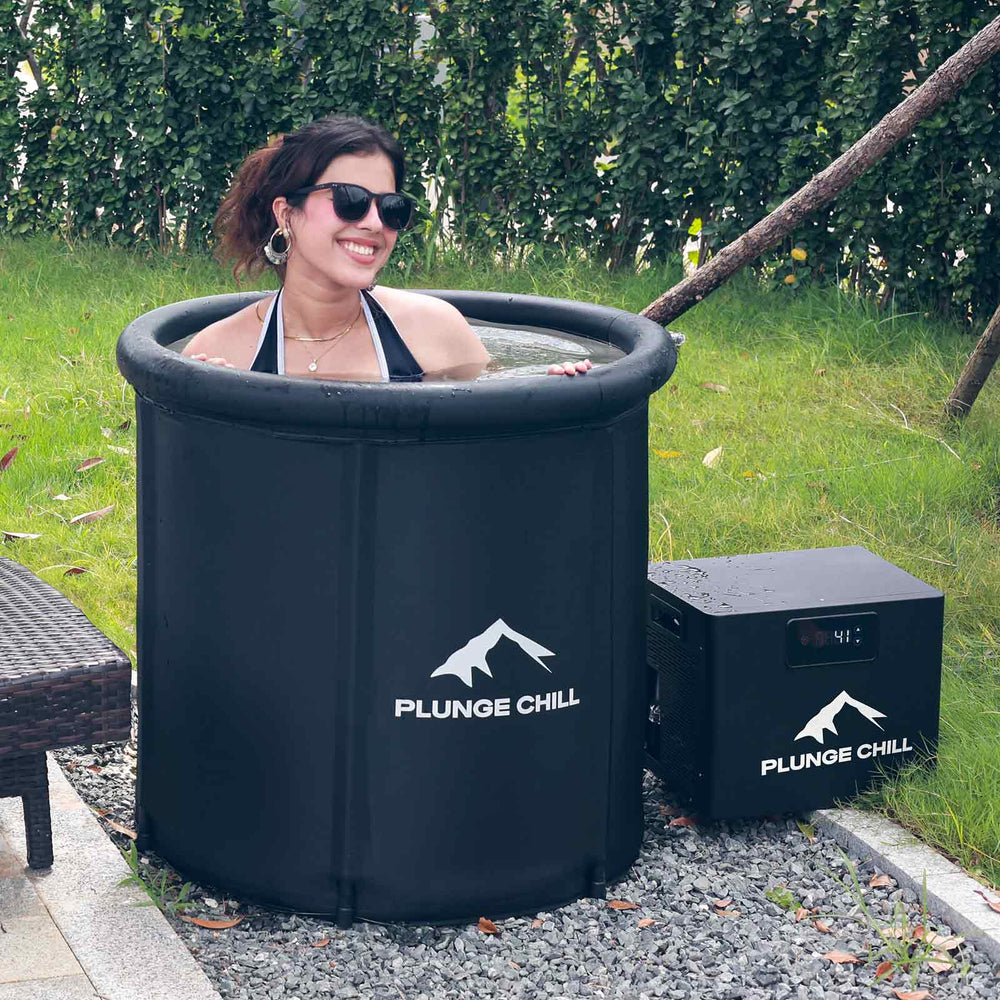
As a sports rehabilitation specialist and strength coach who reviews cold-plunge hardware for competitive gyms, I see CrossFit athletes succeed or stall largely on the quality of their recovery. Cold water immersion—often called a cold plunge—can be a valuable tool when you deploy it with clear intent. The goal is not to be “tough” in freezing water; it is to reduce unnecessary inflammation, regain readiness between sessions, and time the stress so you don’t derail training adaptations. This article synthesizes clinical practice with evidence from Cleveland Clinic, Mayo Clinic Health System, Journal of Physiology, Sports Medicine, ACE-sponsored research, Cochrane, and Frontiers in Physiology to help you use cold strategically—especially in the CrossFit context of mixed-modal, high-frequency training.
What Cold Water Immersion Does for Recovery and Performance
Cold plunging is deliberate immersion in cold water for a short period to influence recovery. Physiologically, cold triggers vasoconstriction, reduces nerve conduction velocity, and shifts cytokines toward anti-inflammatory profiles. On exit, rewarming drives vasodilation and reperfusion that restores oxygen and nutrient delivery while clearing metabolites. The hydrostatic pressure of immersion itself redistributes fluids centrally, which can augment cardiac output and help remove waste products more efficiently than passive rest, a point emphasized by applied sport science groups such as Science for Sport. Delayed-onset muscle soreness often peaks between roughly one and three days after hard work; cold can blunt the pain and perceived heaviness by both sensory and circulatory mechanisms, according to Cleveland Clinic and Mayo Clinic Health System.
In practical terms, reducing soreness today matters if you need to train again tomorrow. This is why many elite CrossFit athletes—including Mat Fraser, Rich Froning, Tia-Clair Toomey, and Brooke Wells—have publicly incorporated cold tubs into their routines. That visibility does not replace data, but it explains why cold immersion is so common in multi-event competition weeks and during congested training blocks.

Cold Plunge Effects: Short-Term Recovery vs Long-Term Adaptatio
Research on cold immersion is mixed because “recovery” and “adaptation” are different targets.
Short-Term Cold Plunge Benefits: Soreness, Recovery & Next-Day Performance
Evidence from Cleveland Clinic, OSU Health, and the 2012 Cochrane review shows cold immersion reduces perceived soreness after intense exercise and can help athletes feel ready sooner. A small study in American Journal of Physiology reported that immersing at roughly 50°F after a grueling strength session helped muscle function rebound sooner than active recovery. An ACE-sponsored trial in untrained adults found that 10 minutes at approximately 55°F preserved next-day performance across running to fatigue, peak power, and chest press versus control, whether done immediately after or two hours post. Notably, 20 minutes did not outperform 10 minutes in that study, implying more time is not necessarily better.
Long-Term Cold Plunge Effects on Muscle Growth and Strength Gains
Cold can blunt temperature-sensitive pathways related to muscle growth and certain vascular adaptations. A Journal of Physiology trial and a Sports Medicine meta-analysis reported reduced gains in strength and muscle mass when cold water immersion was performed immediately after resistance training repeatedly over weeks. Mayo Clinic Health System underscores the same nuance: daily post-lift plunges can reduce long-term strength or hypertrophy progress, while endurance adaptations appear less affected. The practical fix is timing, not abandoning cold entirely.
Why Cold Plunge Research Shows Conflicting Results on Recovery and Performance
The ACE-sponsored work did not observe blunted adaptations over six weeks in untrained adults despite frequent post-session cold immersion, whereas strength-focused studies in trained populations did. Likely reasons include differences in training status (untrained versus trained), program design (mixed aerobic plus resistance versus hypertrophy-focused blocks), the measurement window (weeks versus months), and the primary outcomes assessed. This conflict is exactly why timing relative to your training goal matters more than any single protocol.

When to Use Cold Plunges in CrossFit Training for Best Results
CrossFit blends strength, power, cardio, and skill under high fatigue. That demands different cold strategies within one training week.
When to Use Ice Baths Based on Your Training Goals
When readiness for a second session or next-day performance is the goal—think back-to-back Open attempts, a two-a-day with heavy metcon stress, or a weekend competition—short cold plunges help limit soreness and normalize perceived fatigue. Cleveland Clinic and OSU Health place most beginners comfortably in the 50–59°F range for a few minutes. Advanced users sometimes go as low as 39–50°F but should keep durations brief and monitor carefully, as very cold exposures increase risk and may not enhance outcomes.
When strength and hypertrophy are the primary goals—heavy squats and pulls, bodybuilding accessories, long-term mass phases—delay the plunge by roughly 24–48 hours so you do not dampen the beneficial inflammatory signaling and heat-driven protein synthesis from the session. Both OSU Health and Cleveland Clinic flag this timing nuance. In the middle ground—mixed days with both strength and conditioning—many athletes keep the plunge for later in the day or the following morning to hedge against blunting strength adaptations.
A concise scenario table
|
Training scenario |
Why use or avoid cold |
Suggested timing |
Typical water temp |
Time in water |
|
Metcon-dominant or HIIT day with next-day session |
Reduce soreness and perceived fatigue to maintain frequency |
Within 0–2 hours post |
50–59°F |
3–5 minutes; cap near 10 minutes if monitored |
|
Two-a-days or competition weekend |
Preserve readiness between events |
Immediately or within 2 hours post |
50–59°F |
About 10 minutes preserved next-day performance in ACE study |
|
Heavy strength/hypertrophy block |
Avoid blunting anabolic signaling |
Delay roughly 24–48 hours |
50–59°F for comfort; colder only if experienced |
3–5 minutes when used |
|
Hot/humid training environment (pre-cooling) |
Maintain performance by lowering core temperature |
Before session in heat |
Near 59°F |
Short exposures of a few minutes |
|
Same-day power retest (jumps/sprints) |
Hot water may better preserve immediate power than cold |
Prefer heat when the priority is same-day power |
104°F hot immersion vs cold per Physiology.org |
10–20 minutes of heat for acute power preservation |
The “pre-cooling” use case in hot environments is a specific exception where a short cold dip before training can improve performance by limiting heat strain, as summarized by BMC Medicine and European Journal of Sport Science. For same-day power tests, emerging data presented by Physiology.org indicate hot water immersion can outperform cold at preserving jump performance within an hour; if you must retest power soon, consider warm immersion rather than cold for that day.
Cold Plunge Temperature and Duration: How Cold and How Long for Best Results
Most CrossFit athletes achieve the intended recovery effects without pushing extremes. Cleveland Clinic advises beginners to start around 59°F and build toward the low 50s, capping time at roughly five minutes early on. OSU Health notes protocols of 10–20 minutes at 50–59°F exist, but in my practice, shorter exposures of three to five minutes offer a solid benefit-to-risk balance for frequent users. Advanced athletes sometimes go down to the low 40s, yet extremely cold water adds risk while not necessarily improving outcomes compared with the low 50s.
An overlooked nuance from practical physiology is that hydrostatic pressure and immersion depth matter for fluid shifts. Submerging to the chest or clavicles improves central blood volume and may help metabolite clearance independent of water being “as cold as possible.” In other words, depth and posture can be as important as shaving a few degrees off the temperature.
Another under-discussed detail is that colder is not always better for recovery sensation or adherence. A trial referenced by practitioners (International Journal of Sports Medicine) reported that roughly 59°F outperformed near 41°F for certain recovery markers. Suggested verification step: review the full text and methodology, especially the exercise model and endpoints, to confirm generalizability to CrossFit.

Getting Started Safely
If you are new to cold exposure, treat the first minute as the most biologically stressful period. Enter gradually, avoid hyperventilation, and settle into long, controlled exhales. Many athletes practice nasal inhales and slow mouth exhales to stabilize heart rate and maintain calm.
Keep initial sessions short. Start near 59°F for one to two minutes and build toward three to five minutes as you adapt. Cleveland Clinic suggests capping unacclimated sessions at about five minutes and avoiding water near freezing. If you feel lightheaded, confused, or unable to control breathing, exit immediately.
After the plunge, rewarm progressively. Dry off, layer up, walk around, and sip a warm non-caffeinated drink. Some athletes use sauna for 15–30 minutes afterward, which Cleveland Clinic notes can normalize body temperature. Others avoid immediate hot showers to prolong peripheral vasoconstriction a bit longer. Suggested verification step: track subjective recovery and peripheral temperature over multiple sessions to determine which rewarm pattern yields better comfort and sleep for you.
People with heart disease, high blood pressure, diabetes, peripheral neuropathy, poor circulation, venous stasis, Raynaud’s, or cold agglutinin disease should speak with a clinician before plunging. Partners or coaches should supervise early sessions, especially after exhaustive WODs, because dizziness and numbness can impair safe exit.

Pros and Cons for CrossFit Athletes
The upsides are concrete. Cold immersion reduces perceived soreness and swelling, helps you feel fresher for the next day, and often improves sleep and mood for those who respond well, per Cleveland Clinic, Mayo Clinic Health System, and the Cochrane review. In heat, brief pre-cooling helps maintain work quality. During competition weekends or two-a-days, an efficient plunge can preserve readiness without adding load.
The trade-offs are equally real. Repeated cold plunges immediately after heavy lifting can blunt long-term strength and hypertrophy signals, a consistent concern in Journal of Physiology and Sports Medicine analyses. Cold shock can spike breathing and blood pressure, while very cold or prolonged exposures increase risk of nerve or skin injury and hypothermia. None of these are a reason to abandon cold, but they are reasons to time it wisely and dose conservatively.

Equipment and Buying Guide: Ice Bath vs Cold Plunge Tubs
You can sit in a home bathtub with ice or invest in a purpose-built plunge system. Each approach serves a different need profile.
|
Factor |
Ice bath with bags of ice |
Purpose-built cold plunge |
|
Variable; warms quickly and fluctuates |
Precise setpoint, typically 39–60°F, stable across sessions |
|
|
Convenience |
Setup and teardown each time; heavy ice purchases |
Fill once; “set-and-forget” for daily use |
|
Hygiene |
Manual drain and scrub; frequent water changes |
Built-in filtration; many offer ozone or UV for cleaner water |
|
Upfront cost |
Low |
Higher; premium systems can cost up to $20,000, per Mayo Clinic Health System |
|
Operating cost |
Ongoing ice purchases and time |
Electricity and filter changes; lower daily hassle |
|
Ergonomics |
Uneven ice contact; non-ideal seat depth |
Designed seat depth and flow; more comfortable immersion |
|
Best fit |
Occasional or budget-limited use |
Regular CrossFit recovery, households, and gyms needing consistency |
As a reviewer, I evaluate chillers on temperature stability under repeated entries, filtration quality, noise, drainage access, insulation, and reliability of the control system. Durable shells with proper insulation maintain temperature with less energy. Effective filtration plus ozone and/or UV reduces biofilm and extends water life. Consider footprint, noise tolerance if placing indoors, and whether Wi‑Fi control or scheduling is meaningful for you. Brands differ in emphasis—some focus on chiller power and automation, others on minimalism and portability—but the fundamentals above determine daily experience far more than marketing claims.

Care and Maintenance
Clean water is a performance feature. Filter cartridges need regular rinsing and periodic replacement. Follow the manufacturer’s sanitizer guidance and avoid oils and lotions that accelerate biofilm. Keep a fitted cover on when not in use. For tubs without multi-stage filtration, change water more frequently—weekly in heavy-use settings, monthly in lighter-use households, sooner if clarity or odor changes. Wipe interior surfaces with a non-abrasive cleaner compatible with your tub’s materials.
For body care, shower quickly before plunging and after rewarming. Early evening plunges can improve next-morning readiness for many athletes; very late-night plunges sometimes disrupt sleep in cold-sensitive individuals, so track your personal response.

Overlooked Insights Woven Into Practice
First, for same-day power retests, warm water immersion around 104°F has been reported to better preserve jump performance within an hour than cold immersion, according to a presentation highlighted by Physiology.org. If you are facing a second-event power test on the same day, prefer heat for that window and save cold for the evening.
Second, adherence matters as much as temperature. One research thread suggests that moderate cold near 59°F can match or even outperform much colder water for certain recovery markers. Suggested verification step: confirm the study protocol and endpoints and replicate the dosing in your setting for two weeks while tracking soreness and performance.
Third, a network meta-analysis in Frontiers in Physiology comparing durations and temperatures after acute muscle damage supports practical middle-ground dosing. It suggests that 10–15 minutes soon after exercise is widely studied, and colder bands often reduce soreness, but tolerability and adherence improve at the warmer end of the cold spectrum. Because the top-ranked temperature–time combination was not fully specified in the summary, interpret protocol rankings cautiously. Suggested verification step: review the full SUCRA rankings and reproduce them against your sport-specific needs.

How to Integrate Cold with the Rest of Recovery
Cold immersion is not a stand-alone cure. Pair it with a low-intensity cooldown, hydration with electrolytes after sweaty sessions, adequate protein and carbohydrate intake, and high-quality sleep. Massage and compression can complement cold on heavy training days, as OSU Health and several applied sports sources note. If you regularly struggle in heat, build heat tolerance systematically while using short pre-cooling dips strategically on the hottest days.
Quick Protocols You Can Trust
For most CrossFit athletes, a simple, effective protocol looks like this. After a metcon-dominant day, plunge within two hours at 50–59°F for three to five minutes, submerging to the chest and focusing on slow breathing. Rewarm gradually and track how you feel at the 24-hour mark. On strength-dominant days, skip the plunge or delay it a day. During multi-event weekends, use a 10-minute session in the 50s after the last event of the day to reduce soreness without chasing colder extremes. Keep a training log so you can correlate timing and dose with performance.
Takeaway
Cold plunging can absolutely help CrossFit athletes reduce soreness and maintain training frequency, particularly during congested schedules, in the heat, or between events. The same intervention, used reflexively after every strength session, can chip away at long-term strength and hypertrophy. The solution is timing, not dogma: apply cold when readiness is the goal, delay it when adaptation is the priority, and use moderate temperatures and short durations to minimize risk while preserving benefits. Layer cold onto a foundation of well-programmed training, nutrition, sleep, and active recovery, and it becomes an asset rather than a habit.
FAQ
Is cold plunging safe for everyone?
No. People with heart disease, uncontrolled hypertension, diabetes with neuropathy, poor circulation, Raynaud’s, venous stasis, or cold agglutinin disease should consult a clinician before attempting it. The first minute carries the highest stress; go slowly, avoid breath-holding, and never plunge alone.
What temperature and duration should I choose?
Most CrossFit athletes do well between 50–59°F for three to five minutes, submerging to the chest. Advanced users sometimes venture into the 40s, but colder is not necessarily better and increases risk. Short, consistent exposures beat heroic extremes.
Will cold plunging hurt my gains?
It can if you plunge immediately after heavy lifting on a routine basis. Several studies in Journal of Physiology and Sports Medicine report blunted strength and hypertrophy when cold is used right after resistance training repeatedly. If muscle gain is your priority, delay cold by roughly 24–48 hours or save it for metcon-dominant days.
Can I cold plunge before a workout?
Yes, in heat-stressed conditions, short pre-cooling can help maintain performance. Otherwise, pre-workout cold can transiently reduce power and stiffness tolerance, which is counterproductive for lifting or sprinting.
Is hot water ever better than cold?
For preserving same-day power within about an hour, warm immersion has outperformed cold in jump tests reported by Physiology.org. When the goal is immediate power, use heat that day and reserve cold for inflammation control later.
Do I need a dedicated cold plunge tub?
Not necessarily. A bathtub with ice works for occasional use, but purpose-built tubs deliver stable temperature, better hygiene, and convenience for frequent training. Consider temperature stability, filtration, sanitation (ozone or UV), energy use, noise, warranty, and footprint. High-end systems can be expensive, as Mayo Clinic Health System notes, but they dramatically reduce friction if you plunge several times per week.
If you align the protocol with your training goal and keep the dose modest, cold plunging becomes a precise, high-yield tool for CrossFit recovery rather than a blunt ritual.

References
- https://www.marquette.edu/innovation/documents/arora_ice_bath_recovery.pdf
- https://sncs-prod-external.mayo.edu/hometown-health/speaking-of-health/cold-plunge-after-workouts
- https://pmc.ncbi.nlm.nih.gov/articles/PMC2938508/
- https://health.osu.edu/wellness/exercise-and-nutrition/do-ice-baths-help-workout-recovery
- https://health.clevelandclinic.org/what-to-know-about-cold-plunges
- https://www.mayoclinichealthsystem.org/hometown-health/speaking-of-health/cold-plunge-after-workouts
- https://www.acefitness.org/continuing-education/certified/special-research-issue/7226/ace-sponsored-research-the-effect-of-cold-water-immersion-on-recovery-and-exercise-performance/?srsltid=AfmBOoodgE3lPd7jeUMm4u239hSx6LWhMOk3zeouPmpTm9fVJ8PdMFzX
- https://www.frontiersin.org/journals/physiology/articles/10.3389/fphys.2025.1525726/full
- https://www.physiology.org/detail/news/2024/11/21/hot-water-immersion-better-than-cold-to-maintain-exercise-performance
- https://districtlcrossfit.co.uk/the-health-benefits-of-using-sauna-and-cold-plunge/
Disclaimer
By reading this article, you acknowledge that you are responsible for your own health and safety.
The views and opinions expressed herein are based on the author's professional expertise (DPT, CSCS) and cited sources, but are not a guarantee of outcome. If you have a pre-existing health condition, are pregnant, or have any concerns about using cold water therapy, consult with your physician before starting any new regimen.
Reliance on any information provided in this article is solely at your own risk.
Always seek the advice of a qualified healthcare provider with any questions you may have regarding a medical condition, lifestyle changes, or the use of cold water immersion. Never disregard professional medical advice or delay in seeking it because of something you have read in this article.
The information provided in this blog post, "Cold Plunge for CrossFit Recovery: Boost Performance and Reduce Inflammation," is for informational and educational purposes only. It is not intended to be a substitute for professional medical advice, diagnosis, or treatment.
General Health Information & No Medical Advice