


Cold water immersion—commonly known as a cold plunge—has rapidly grown in popularity among athletes, fitness enthusiasts, and recovery-focused biohackers.
From professional sports teams to home recovery routines, cold plunges are widely used to improve recovery, boost energy, and build mental resilience.
But there is still an ongoing debate:
Is it better to do a cold plunge before or after workout sessions?
Some athletes swear by a quick cold plunge before training to increase alertness and focus. Others insist that cold exposure should only happen after workouts to help reduce muscle soreness.
The reality is that the best timing depends on your training goals. Whether you're trying to build muscle, improve endurance, or recover faster will determine when cold immersion is most beneficial.

How Cold Plunges Affect Your Body
When you enter cold water—typically between 39°F and 55°F (4°C–13°C)—your body activates several physiological responses.
These include:
∙ Vasoconstriction (narrowing of blood vessels)
∙ Activation of the sympathetic nervous system.
∙ Reduced inflammation.
∙ Increased alertness and focus.
Once you leave the cold water and begin warming up, blood flow increases again, which may help improve circulation and recovery.
Because of these effects, the timing of a cold plunge before or after workout can influence both performance and muscle adaptation.
Cold Plunge Before Workout: Benefits and Risks
Using a cold plunge before workout sessions is becoming more popular, especially among people looking for a mental and energy boost before training.
Increased Alertness and Mental Focus
Cold exposure triggers the body's “fight-or-flight” response, activating the nervous system and increasing alertness.
Many people report feeling more awake, focused, and energized after a short cold plunge.
In fitness communities, athletes often describe it as a natural replacement for caffeine before training.
A Motivation Boost
Cold plunging can also act as a psychological reset.
One Reddit user shared:
“When I’m low on motivation, a cold plunge before my workout wakes me up instantly. It’s like flipping a switch.”
This immediate surge in alertness can help athletes approach their workouts with more intensity.
The Important Warning: Always Warm Up
Despite these benefits, there is one important rule when doing a cold plunge before workout.
Cold water temporarily reduces muscle temperature and elasticity. Exercising immediately afterward without proper preparation may increase injury risk.
To avoid this problem:
-
Perform a full dynamic warm-up
-
Include mobility exercises
-
Gradually increase training intensity
A proper warm-up restores muscle readiness and ensures optimal performance.
Cold Plunge After Workout: A Powerful Recovery Tool
For many athletes, doing a cold plunge after workout sessions is the most common strategy.
Cold water immersion has long been used in professional sports to support recovery after intense training.
Reduced Muscle Soreness
Cold exposure can help reduce delayed onset muscle soreness (DOMS), which usually appears 24 to 48 hours after intense exercise.
This makes cold plunging particularly useful for athletes who train frequently.
Faster Recovery Between Sessions
Endurance athletes—such as runners and cyclists—often use cold plunges to reduce inflammation and improve recovery between training sessions.
Many professional teams incorporate ice baths after games or intense training blocks for this reason.
Does Cold Plunge Reduce Muscle Growth?
One of the biggest concerns surrounding cold plunge after workout routines is its potential impact on muscle growth.
Strength training works by creating small amounts of damage in muscle fibers. This process triggers inflammation, which signals the body to rebuild muscle stronger than before.
Cold exposure reduces inflammation, which is helpful for recovery but may reduce the muscle-building signal if used immediately after lifting weights.
Research published in sports science journals has shown that frequent post-workout cold immersion may reduce muscle protein synthesis after resistance training.
The Two-Hour Rule for Strength Training
For people focused on muscle hypertrophy, timing cold exposure correctly can solve the problem.
Many experts recommend waiting about two hours after strength training before doing a cold plunge.
This allows the body to initiate the muscle repair process while still gaining the recovery benefits of cold exposure later.
Cold Plunge and Cardio Workouts
After Cardio: Highly Effective
A cold plunge after workout sessions involving endurance training can provide several benefits.
These include:
-
Reduced systemic inflammation
-
Lower muscle soreness
-
Faster recovery for the next session
Long-distance runners, triathletes, and cyclists often rely on cold plunges after intense endurance workouts.
Before Cardio: Possible Performance Drop
Taking a cold plunge before workout sessions involving intense cardio may reduce performance for some people.
Cold exposure can temporarily slow heart rate response, meaning it may take longer to reach your optimal training zone.
For athletes focused on performance, it is usually better to plunge after endurance training instead.
Mental and Psychological Benefits
Cold plunging isn't only about physical recovery.
Many people report strong mental benefits from regular cold exposure, including:
-
Increased alertness
-
Reduced stress levels
-
Improved mood
-
Greater mental resilience
For some individuals, the experience feels similar to a form of meditation—forcing controlled breathing and mental focus.
Because of these benefits, some athletes incorporate a cold plunge before workout routines purely for psychological preparation.
Cold Plunge Before or After Workout: Quick Comparison
|
Training Goal |
Best Timing |
|---|---|
|
Boost energy and focus |
Before workout |
|
Reduce soreness |
After workout |
|
Improve endurance recovery |
After cardio |
|
Maximize muscle growth |
Wait 2 hours after lifting |
Recommended Cold Plunge Guidelines
If you’re new to cold plunging, start gradually and build tolerance.
General guidelines include:
-
Water temperature: 39°F–55°F (4–13°C)
-
Duration: 3–10 minutes
-
Frequency: 2–4 sessions per week for beginners
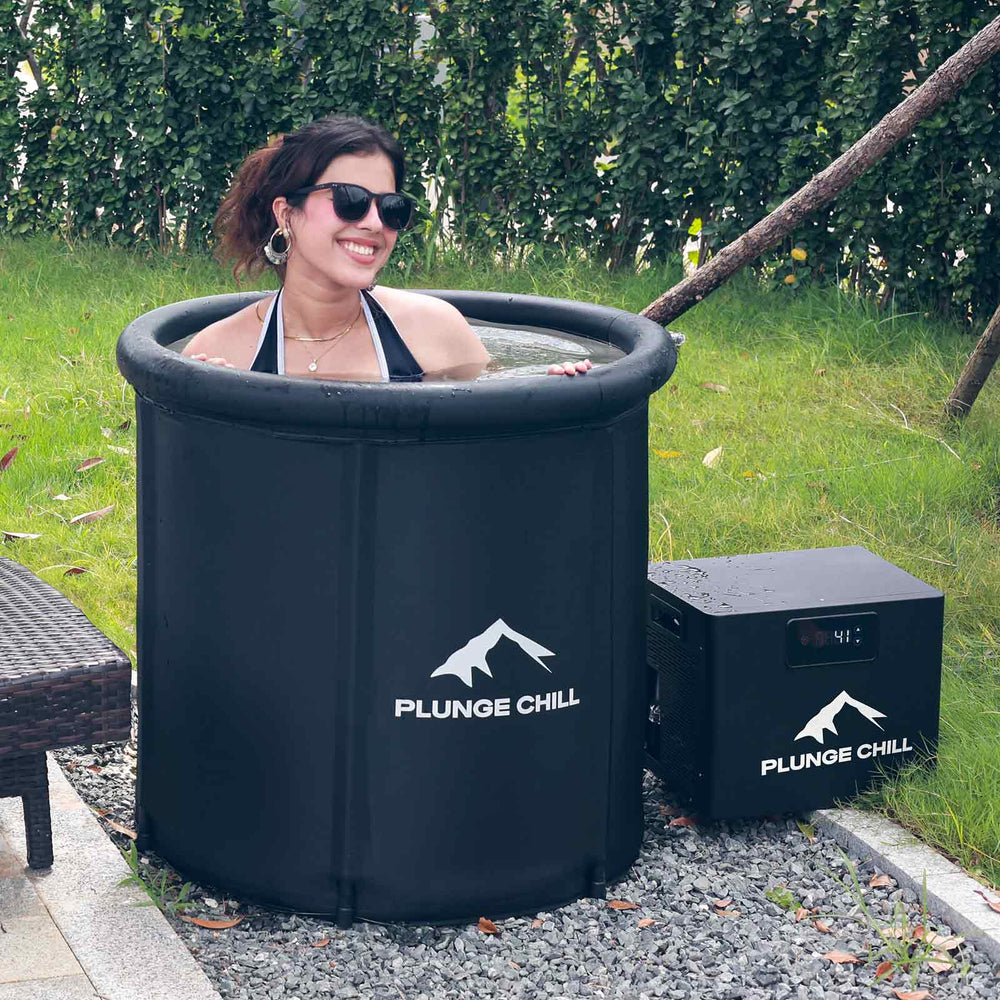
Many athletes eventually invest in a cold plunge tub with a chiller so they can maintain consistent water temperatures at home. For consistent temperature control, a water chiller for cold plunge is essential.

Final Thoughts
So, should you choose a cold plunge before or after workout sessions?
The answer depends on your training goals.
-
Use cold plunges before workouts for alertness and mental readiness.
-
Use them after cardio workouts to support recovery.
-
If you're focused on muscle growth, wait at least two hours after strength training before plunging.
When used strategically, cold water immersion can become a powerful tool for improving both performance and recovery.
FAQs
Should you cold plunge before or after workout?
Cold plunging before workouts may increase alertness and focus, while doing it after exercise can help reduce muscle soreness and improve recovery.
Does cold plunge affect muscle growth?
Cold water immersion immediately after strength training may reduce inflammation needed for muscle growth. Waiting about two hours can help prevent this effect.
How cold should a cold plunge be?
Most cold plunges are kept between 39°F and 55°F (4°C–13°C).
How long should you stay in a cold plunge?
Most sessions last between 3 and 10 minutes, depending on experience and tolerance.
You May Interested:
∙ Cold Plunge Temperature Guide
∙ Best Cold Plunge Tub for Home




Leave a comment