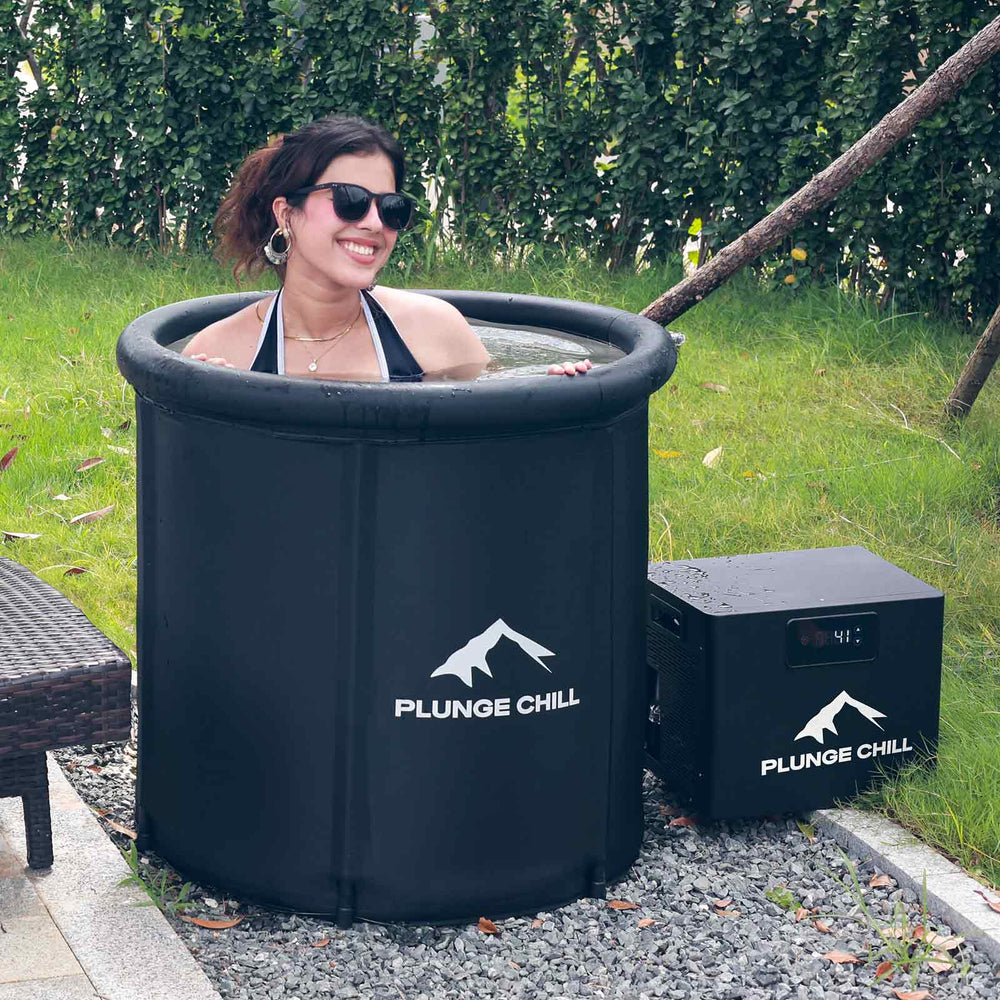
Cold plunges have moved from collegiate training rooms into home gyms, patios, and even spare bathrooms. As a sports rehabilitation specialist and strength coach who also tests consumer cold plunge products, I see two timelines that matter when deciding when to buy. One is biological: how you plan to use cold exposure around training, sleep, and stress. The other is commercial: when the market offers the best pricing, bundles, and financing on tubs, barrels, inflatables, and chiller‑integrated units. Making the purchase at the right intersection of these timelines saves money, avoids performance tradeoffs, and sets you up for consistent, safe use.
Why Timing Matters: Two Clocks, One Decision
The decision to buy should account for the time of day and season you’ll use the plunge, and the time of year you’ll buy it. Morning cold reliably elevates alertness, while later-day sessions can be tailored for recovery. That physiological clock sits next to a retail clock that tends to offer the deepest discounts in late November through Cyber Monday, with additional seasonal promotions clustered around New Year wellness pushes and summer holiday sales. Balancing these clocks keeps the tub from becoming an expensive conversation piece.
Timing Your Use Around Training, Sleep, and Stress
The most consistent training insight is that cold immersion immediately after heavy strength work can blunt signals for muscle growth over time. Mayo Clinic Health System notes daily post-training plunges may compromise long‑term improvements, and brand-neutral guides echo waiting several hours after lifts if hypertrophy is a priority. Chilly GOAT advises delaying cold by roughly four to six hours post-strength sessions to preserve anabolic signaling, while still endorsing same-day use after hard endurance work when the goal is reduced soreness and quicker return to baseline.
For energy and focus, morning cold works well. Arsenal Health emphasizes that core temperature and arousal hormones follow a circadian rhythm; early plunges deliver a strong wake‑up effect when body temperature is at its daily low. Plunsana highlights a short sympathetic spike that can improve alertness in the morning with a parasympathetic rebound later. For recovery and mood, later-day plunges can decrease perceived inflammation and help unwind; if you are sensitive to stimulation, finish sessions one to two hours before bedtime, a practical tip found in both coaching practice and consumer articles.
Evidence quality is mixed on mood and immunity. Harvard Health summarized a PLOS One review of 11 studies involving 3,177 participants and found stress reduction and improved sleep reported by men, with inconsistent effects on mood and immunity overall. That gap underscores the need to personalize timing: journal your sleep and training responses for several weeks, then anchor the plunge where it supports your main goal without creating downstream tradeoffs.
Overlooked insight: the definition of “post‑workout” varies across sources and studies. Commercial guides often mean the 30–60 minutes after exercise, whereas physiologic concerns for hypertrophy span several hours of elevated signaling. This definitional mismatch explains why some articles encourage immediate post‑workout immersion while others emphasize delay. The likely cause is different outcomes and timeframes: acute soreness relief in brand articles versus longer‑term adaptation in clinical and academic sources like Mayo Clinic Health System and Harvard Health. The practical answer is to separate cold from lifts when muscle gain is the priority and use it more freely after endurance sessions.
Timing Your Purchase for Pricing Power
Seasonal promotions are predictable. BarBend’s deal roundups and discount aggregators report that the steepest cuts typically appear over Black Friday through Cyber Monday, with meaningful early drops throughout November. In 2025, Black Friday falls on November 28 and Cyber Monday on December 1. Additional savings clusters appear around New Year wellness events, Memorial Day, and July 4 promotions, with occasional brand‑subscriber codes and limited‑time bundles. Financing terms, including 0% APR for two to three years, are commonly attached to these periods for premium chiller‑integrated models.
Observed examples from recent sales cycles include mid‑teens percent discounts on flagship chillers, up to hundreds of dollars off accessories, and line‑item reductions such as $500 off select units, four-figure markdowns on specific brands, and 24–36 month financing on premium lines. Ice barrels and inflatables saw double‑digit percentage discounts, while chiller‑integrated tubs often combined headline cuts with bonus packages. Always verify the exact offer on the day—value varies by configuration, region, and inventory—and remember that a discount raises return on investment only if you will use the plunge consistently, as BarBend warns.
Overlooked insight: bundling a sauna with a tub during major promos can create outsized value, sometimes eclipsing stand‑alone tub discounts by adding accessory or freight concessions. Discount trackers have repeatedly flagged bundle hacks that unlock additional dollars off or free add‑ons. This is especially relevant if contrast therapy is part of your routine; however, read the fine print to confirm the sauna’s power, footprint, and indoor/outdoor rating for your space.
Product Types, Use Cases, and Price Bands
Cold therapy hardware spans basic inflatables and barrels you load with ice to plug‑and‑play tubs with built‑in chillers and sanitation. The choice depends on how often you’ll plunge, where the unit will live, and how much maintenance you are willing to handle.
Type |
Typical price observed |
Temperature capability |
Setup and maintenance |
Best for |
Notable tradeoffs |
Inflatable + ice or portable “pods” |
A few hundred dollars to low four figures; with a paired chiller, examples around $2,990.00 |
Ice dependent unless paired with a chiller |
Fast setup; frequent water changes; manual ice management; simple cleaning |
New users, renters, small spaces, travel |
Temperature variability; more frequent cleaning; puncture risk compared with hard tubs |
Upright barrels (e.g., molded plastic) |
Around $1,000.00 for popular models without integrated chilling |
Ice add; optional external chiller |
Low complexity; drain/refill; durable outdoors |
Regular plungers seeking durability and low footprint |
Manual ice runs without a chiller; step‑in ergonomics vary by model |
Hard tubs + external chiller |
Commonly $2,000.00 to $6,000.00 and above depending on performance |
Consistent low temperatures, often near 40°F |
Plumbing to chiller; filtration; scheduled sanitation |
Home gyms, patios, multi‑user households |
Higher upfront cost; space for chiller; filter and electricity costs |
Built‑in chiller plug‑and‑plunge |
Frequently >$4,000.00 and into the five digits |
Precise control to very cold settings; often heat, too |
Simplest daily use; integrated filtration and sanitation |
High‑frequency plungers wanting convenience |
Highest upfront price; planning for delivery path and placement |
This table consolidates ranges reported by BarBend, RHTubs, and brand product pages cited in secondary sources like Chilly GOAT. Specific capabilities vary; confirm manufacturer specifications before purchasing.

The Readiness Checklist: Are You Ready to Buy Now?
A purchase is justified when three things are true. First, your goals are clear and compatible with cold exposure. If you are preparing for a hypertrophy block, you will buy now only if you are committed to delaying post‑lift plunges by several hours; if you are training for events with high endurance loads, buying now offers immediate recovery benefits. Second, your environment is ready. Brands and reviewers advise confirming indoor versus outdoor placement, clearance for delivery, drainage options, and access to a compatible electrical outlet before ordering. Third, your budget accounts for total ownership cost, not just the sticker price. Maintenance supplies, filter changes, electricity usage, and occasional repairs are real line items. As a reviewer, I advise prospective buyers to simulate their routine for two weeks using cold showers or a temporary tub to validate adherence, then purchase on the next major sale window rather than impulse‑buying full price.
Market Windows and What to Expect
It helps to map promotional windows to offer patterns. Late November remains the most reliable moment to buy premium hardware, with observed examples such as mid‑teens percent reductions on flagship tubs, hundreds off accessories, multi‑month 0% APR financing, and four‑figure markdowns on select brands. New Year often brings wellness campaigns featuring first‑time buyer codes and bundled add‑ons; summer holidays tend to support inventory turn with brand‑specific deals, particularly on last season’s colors or refurbished units. Discount aggregators also note email‑subscriber codes and the occasional stackable offer, which is reason enough to join brand lists a month before a target window. Following brand social channels during Q4 catches flash sales that do not make the homepage.
Overlooked insight: inventory and lead times can matter more than the final percentage off. Demand spikes around Black Friday and New Year can extend delivery windows for chiller‑integrated units, occasionally pushing installation into colder months for outdoor setups. The practical workaround is to secure the order during the sale but schedule white‑glove delivery when your placement and power are ready.

From DIY to Dedicated: Convenience Versus Control
RHTubs differentiates cold plunge tubs from DIY ice baths on two axes: temperature control and sanitation. Dedicated tubs hold steady temperatures and integrate filtration and sometimes ozone or UV, making daily adherence more realistic and keeping water cleaner, especially for multi‑user households. DIY ice baths trend colder during the first minutes of immersion and then rapidly warm; they also require frequent draining. Ice procurement adds ongoing cost that is often underestimated. Many U.S. gyms and sports clinics prefer plunge tubs for user‑friendliness and throughput. The convenience premium makes sense if you plunge several days per week; for occasional use, barrels and inflatables remain pragmatic.
Chilly GOAT’s lineup illustrates the midpoint options. Its inflatable system, paired with a chiller, strikes a balance for renters and small spaces. Mid‑range hard tubs with external chillers suit garages and patios, while built‑in plug‑and‑plunge models simplify daily use with no visible external plumbing. There are also dual‑zone hot–cold units that enable contrast therapy without two products. Matching the product to your space and adherence pattern is more important than chasing the coldest possible number; benefits appear well above 40°F, and going colder chiefly increases discomfort rather than results for most users.

Water Quality and Care: What Owners Actually Do
Cold slows bacterial growth and chemical reactions, which reduces sanitizer demand but also means chemicals work more slowly. The most reliable routines come from sanitation guidance aimed at small, cold volumes with filtration. Icebound Essentials recommends testing every one to two weeks, or with each water change, keeping pH near 7.2–7.8, total alkalinity 80–120 ppm, and either chlorine 1–3 ppm or bromine 3–5 ppm. Bromine often performs better than chlorine in colder water. If you run ozone or UV, chemical demand drops further, but testing still matters. Many home users change water every three to four weeks with moderate use; filter elements are cleaned every two to three weeks and replaced as needed. In basic pods and ice‑only setups without filtration, water changes are much more frequent—brand blogs suggest every three to four days for simple pods, or roughly every two weeks for advanced tubs with integrated systems. That divergence is less a disagreement than a function of hardware differences, bather load, and sanitation method.
The following quick‑reference can help you plan routine care.
Parameter or task |
Target or cadence |
Notes |
pH |
About 7.2–7.8 |
Maintain buffering with total alkalinity around 80–120 ppm |
Sanitizer options |
Chlorine 1–3 ppm; Bromine 3–5 ppm; Food‑grade hydrogen peroxide 30–50 ppm with ozone |
Add slowly with pump running; verify with tests |
Filtration time |
At least several hours daily |
Keep cover on between sessions to limit debris |
Filter care |
Clean every two to three weeks |
Replace if flow drops or fabric degrades |
Water changes |
About three to four weeks with filtration; far more frequent without |
Adjust by bather load and clarity |
Shock |
Use non‑chlorine shock as needed |
With ozone plus sanitizer, residential users may shock infrequently |
Overlooked insight: homeowners often over‑sanitize plunges like pools and under‑sanitize like bathtubs. Cold plunges live between those categories. Using ozone or UV together with a measured sanitizer level reduces odor and maintenance but does not eliminate testing. That nuance explains why advice online ranges from “drain weekly” to “change monthly.” The decisive variables are the presence of a real filter, a cover, and whether more than one person uses the tub daily.

Safety First, Always
Cold immersion is generally safe for healthy people when practiced sensibly, but it is not risk‑free. Mayo Clinic Health System underscores the risk of frostbite and hypothermia with prolonged exposure, especially outdoors. The American Heart Association warns that sudden immersion below 60°F can provoke a dangerous cold shock response, with spikes in breathing, heart rate, and blood pressure; involuntary gasps underwater can precipitate drowning. People with cardiovascular disease, high blood pressure, diabetes, Raynaud’s, or cold urticaria should seek medical clearance before starting. Rewarming should be gradual; avoid pairing a plunge with immediate alcohol consumption, and keep towels and warm clothes within reach. If you plunge in open water, never go alone and avoid currents.
Budget, Financing, and True Cost of Ownership
BarBend’s pricing roundup is a useful starting point. Inflatables and ice barrels often land near $1,000.00, while chiller‑integrated tubs commonly exceed $4,000.00, with commercial units reaching well beyond that. Several brands offer 0% APR financing for two to three years during major promotions. Factor in electricity for the chiller, filter elements, test kits, and sanitizers. If you prefer minimal chemicals, invest in ozone or UV and budget for periodic service. My rule of thumb from the clinic is to plan for total cost rather than a single invoice; a slightly more expensive tub with reliable filtration and a cover often saves time, water, and effort over a year, which matters more than a marginally lower purchase price.

The Best Time to Buy, Summarized
If you are actively training and recovering multiple days per week, have validated your routine with cold showers or a temporary setup, and your space and power are ready, buy on the next major sale window rather than full price. For premium tubs, the late‑November period traditionally pairs the deepest item‑level cuts with favorable financing. If you are testing whether you will use cold consistently, start with an upright barrel or inflatable and reassess in six to eight weeks; convert to a chiller‑integrated unit during a New Year or summer holiday promotion if you are adherent. Subscribe to brand newsletters and discount trackers about a month before your target event, and confirm shipping timelines so installation does not land during a cold snap if your unit will be outdoors.
Conflicts and Gaps: What To Make of Disagreements
Sources disagree on whether evening cold improves sleep. Harvard Health’s synthesis reports improved sleep in men but not in women, while coaching circles cite improved sleep anecdotally regardless of sex. The cause likely lies in heterogeneous protocols and populations; water temperatures, exposure durations, and outcomes vary considerably across studies. Pragmatically, adjust timing based on your own sleep data rather than one‑size‑fits‑all claims.
Sources also differ on how soon after exercise to plunge. Consumer recovery guides encourage immediate post‑workout immersion for soreness control, while clinical advisories caution against it after resistance training when strength and hypertrophy are the goals. Methodology explains the split: short‑term perceptions versus long‑term adaptation. Align your choice with your primary goal.
Overlooked insight: electricity and noise considerations can affect satisfaction more than headline temperature. Chillers vary in sound profile, and some older homes may have limited outlets near intended placements.
Buying and Setup Tips That Save Time and Headaches
Know where the unit will live and how you will drain it. Confirm indoor versus outdoor rating, the path into the home, and protection for finished floors. Measure the footprint and ensure access to a compatible electrical outlet. Follow brands on social channels in Q4 and join newsletters for early or subscriber‑only codes. Consider bundles; the best value I have measured in the lab has often been tub plus filtration upgrades or sauna pairs rather than bare tubs. Before first use, establish a simple water log for pH and sanitizer, and set calendar reminders for filter cleaning. Resist the urge to push temperatures to the lowest possible setting; most benefits begin in the 50–59°F range, and adherence beats bravado.
Takeaway
The best time to buy a cold plunge is when your training plan and space are ready, your budget covers ownership rather than just the invoice, and the market is offering discounts that align with your configuration. Use late November and early December for premium buys, with New Year and summer holidays as strong alternatives. Time your daily use to your goals—morning for alertness, later for recovery, and delay post‑lift immersion if muscle growth is the priority. Prioritize models that make consistency easy: reliable temperature control, simple filtration, and a cover. Consistency, not extremes, is what turns a purchase into a performance tool.
FAQ
Q: Will a cold plunge right after lifting hurt my muscle gains? A: If muscle growth is your primary goal, delaying cold exposure by several hours after lifting is prudent. Mayo Clinic Health System notes that daily post‑training plunges can blunt long‑term strength and hypertrophy adaptations. Use post‑lift cold sparingly during growth phases, and prefer it after endurance or mixed sessions when soreness reduction and a quicker return to baseline are the goals.
Q: How cold does the water need to be to see benefits? A: Most users experience meaningful effects between about 50°F and 59°F. Going colder primarily increases discomfort rather than benefits for many people. Brands demonstrate capability to reach around 40°F in dedicated tubs, but adherence is what matters. Start warmer and shorter, then adjust as you learn your response.
Q: What is the most reliable time of year to get a deal? A: The largest and broadest promotions typically occur around Black Friday through Cyber Monday, with early deals appearing throughout November. New Year wellness events and summer holiday sales also produce strong offers. Subscribe to brand newsletters and watch social channels to capture flash sales and subscriber‑only codes, and consider bundles for added value.
Q: Do I need chemicals if my tub has ozone or UV? A: Secondary sanitation like ozone or UV reduces chemical demand but does not eliminate the need to test and maintain disinfectant levels. Practical ranges reported by water‑care guides for cold volumes are pH near 7.2–7.8, total alkalinity 80–120 ppm, and either chlorine 1–3 ppm or bromine 3–5 ppm. Always verify with your manufacturer’s instructions.
Q: Is cold immersion safe for everyone? A: Cold immersion is generally safe for healthy adults when practiced sensibly. People with cardiovascular disease, high blood pressure, diabetes, Raynaud’s, or cold urticaria should get medical clearance before starting. The American Heart Association cautions about the cold shock response and risks below 60°F; begin gradually, avoid currents, and rewarm responsibly.
Q: Should I buy a cheaper barrel now or save for a chiller‑integrated tub? A: Choose the option that you will use consistently. Barrels and inflatables are cost‑effective for occasional use and renters. If you plan to plunge three to five days per week, a chiller‑integrated tub’s stable temperature and built‑in filtration can justify the higher price through adherence, convenience, and cleaner water. Buying during a major sale window narrows the cost gap.
Sources cited in this article
Mayo Clinic Health System, Harvard Health, BarBend, Chilly GOAT, Arsenal Health, Plunsana, RHTubs, Icebound Essentials, and the American Heart Association.
References
- https://www.health.harvard.edu/staying-healthy/research-highlights-health-benefits-from-cold-water-immersions
- https://sncs-prod-external.mayo.edu/hometown-health/speaking-of-health/cold-plunge-after-workouts
- https://www.mayoclinichealthsystem.org/hometown-health/speaking-of-health/cold-plunge-after-workouts
- https://www.garagegymreviews.com/best-cold-plunge-tub
- https://plungediscounts.com/
- https://arsenalhealth.com/best-time-to-cold-plunge/
- https://barbend.com/cold-plunge-black-friday-deals/
- https://www.bestbuy.com/site/searchpage.jsp?_dyncharset=UTF-8&browsedCategory=pcmcat1717008257694&id=pcat17071&iht=n&ks=960&list=y&qp=percentdiscount_facet%3DDiscount~50%25%20Off%20or%20More&sc=Global&st=categoryid%24pcmcat1717008257694&type=page&usc=All%20Categories
- https://www.ebay.com/shop/cold-plunge-tubs?_nkw=cold+plunge+tubs
- https://www.gopolar.app/post/cold-plunge-time-and-temp