Summary: A well-planned cold plunge routine can be a powerful 2026 habit for building stress resilience, recovery, and mental clarity—if you keep it moderate, consistent, and medically safe.
Why Cold Plunges Belong in Your 2026 Routine
As a sports rehab specialist and strength coach, I like cold plunges not as a stunt, but as a controlled stressor. Short immersions in 50–59°F water challenge the system just enough to trigger adaptation.
A 2025 PLOS One meta-analysis of more than 3,000 adults found cold-water immersion lowered perceived stress about 12 hours after a session, though not immediately, and improved sleep and quality of life for some participants. A Harvard Health review and University of South Australia report echoed these modest but meaningful benefits, especially for stress and sleep, while noting that immune and mood effects are inconsistent.
Clinically, I see cold exposure work best as a resilience tool: you practice staying calm under intense discomfort. Over weeks, that “stress inoculation” tends to show up in training, work, and everyday life.
Nuance callout: lab studies from Stanford and others show clear short-term mood boosts after a plunge, but larger reviews have not yet confirmed reliable long-term mood changes.

Evidence-Based Protocols, Not Punishment Sessions
Cold plunge benefits follow a hormesis curve: too mild does little, too extreme is counterproductive. Most research-backed protocols sit around chest-deep immersion at roughly 50–59°F, for a few minutes at a time.
Drawing on the PLOS One data set, Stanford Lifestyle Medicine summaries, and Huberman Lab guidance, a solid baseline is about 11 minutes per week total, split into several short bouts. In practice, my athletes do best starting conservatively and progressing.
Quick 4-week ramp-up for beginners:
- Week 1: 30–60 seconds at the coldest safe shower you can tolerate, 3–4 days per week.
- Week 2: 2 minutes total per session (shower or tub), still 3–4 days per week.
- Week 3: 3–4 minutes per session in ~50–59°F water, 2–3 days per week.
- Week 4+: Aim for 8–12 total minutes per week, split into 2–4 sessions, adjusting by how you sleep and feel.
Schedule cold earlier in the day; body temperature tends to rebound upward afterward, which can be activating. If sleep worsens, move sessions to morning or reduce frequency.
Training and Recovery: Where Cold Helps—and Where It Hurts
From a rehab and strength perspective, cold plunges are best used for nervous system reset and managing soreness, not for maximizing muscle growth. Meta-analyses show post-exercise cold immersion can reduce next-day soreness and improve perceived recovery and power output.
However, multiple training studies summarized in sports science and psychiatry reviews indicate that regular cold plunges immediately after lifting can blunt muscle hypertrophy and strength gains. The physiology makes sense: you are damping the inflammatory and anabolic signaling you actually need for growth.
My rule for lifters in 2026:
- Use cold the day after heavy strength sessions, or at least 6–8 hours later, if recovery is the priority.
- Avoid full-body plunges in the 0–4 hour window after resistance training if long-term strength and size are the main goals.
For endurance blocks, the trade-off is less clear, and modest post-session cold exposure can be reasonable when competition recovery is more important than maximal adaptation.

Choosing a Setup You’ll Actually Use
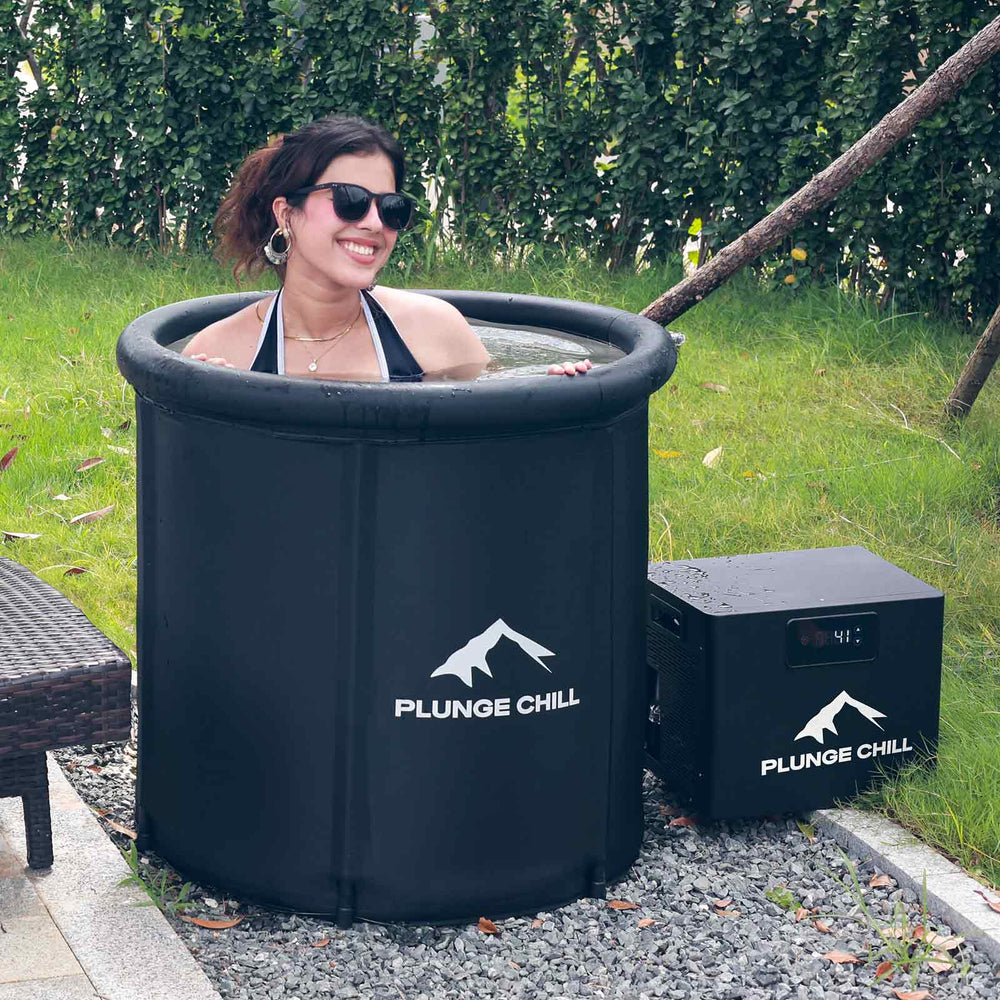
You do not need a $5,000 plunge tank to build resilience. In product testing and with clients, adherence beats hardware. The best system is the cold you will consistently get into.
Entry-level options are cold showers or a standard bathtub filled with tap-cold water plus a little ice when needed. Aim for “uncomfortably cold but safe,” not extreme. For many homes, that is around the 50s°F in winter.
If you invest in a dedicated plunge, I prioritize:
- Stable temperature control between about 45–59°F.
- Enough length and depth to sit with chest under water safely.
- Good filtration and drainage so daily use is realistic, not a chore.
Fancy features like Wi‑Fi apps matter less than quiet operation, easy cleaning, and reliable chillers—those are what keep athletes using the tub month after month.

Safety, Screening, and Mindset
Cold plunging is still a stress test for your cardiovascular system. Dartmouth Health, Mayo Clinic, and UCLA Health all advise medical clearance if you have heart disease, uncontrolled high blood pressure, serious circulation issues, diabetes, Raynaud’s, or are pregnant.
Baseline safety rules I insist on: never plunge alone in open water, limit immersion to about 3–10 minutes, enter gradually to manage the cold shock response, and get out immediately if you feel chest pain, severe shortness of breath, confusion, or loss of coordination.
Finally, keep perspective. Cold plunges can be an excellent 2026 habit for building resilience, but they are an adjunct—not a replacement—for strength training, sleep, nutrition, and, when needed, evidence-based mental health care. Use the tub to practice calm under stress, then carry that composure into the rest of your year.

References
- https://www.health.harvard.edu/staying-healthy/research-highlights-health-benefits-from-cold-water-immersions
- https://digitalcommons.liberty.edu/cgi/viewcontent.cgi?article=8439&context=doctoral
- https://www.rutgers.edu/news/what-are-benefits-cold-plunge-trend
- https://lifestylemedicine.stanford.edu/jumping-into-the-ice-bath-trend-mental-health-benefits-of-cold-water-immersion/
- https://pmc.ncbi.nlm.nih.gov/articles/PMC9953392/