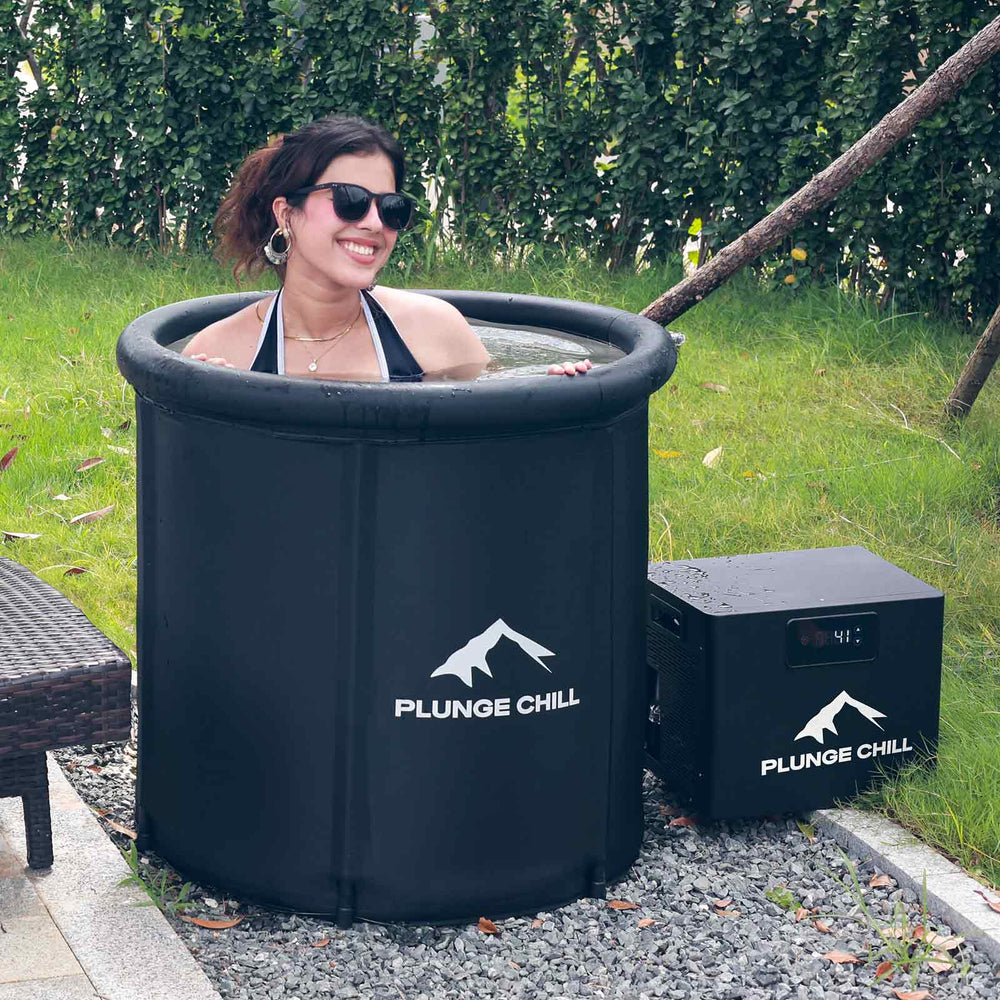
Cold plunges have moved from the training room into living rooms and office garages across the country. As a sports rehabilitation specialist and strength coach who also reviews cold‑plunge products, I’ve used ice baths with athletes, injured patients, and knowledge workers seeking a cleaner state of alertness before cognitively demanding tasks. The question I hear most is deceptively simple: do ice baths actually sharpen focus, or do they just feel invigorating? The answer depends on dose, timing, and the way you pair cold exposure with skills that stabilize attention. This article synthesizes the strongest available evidence and my field experience to outline what works, what to avoid, and how to choose and care for the right cold‑plunge setup.
How Cold Exposure Influences Attention and Arousal
Cold exposure is a controlled stress. When you submerge in cold water, the sympathetic nervous system engages and releases catecholamines, notably norepinephrine and epinephrine, which elevate alertness and narrow attentional focus. In parallel, dopamine can rise and remain elevated after the session, supporting motivation and sustained effort. The Huberman Lab newsletter has detailed how cold reliably increases epinephrine and norepinephrine and described dose–response guardrails that make the stimulus potent yet safe. Reports summarized by Psychology Today have noted large spikes in dopamine and norepinephrine after a cold bath; the magnitude of those surges should be interpreted cautiously and in context, but the direction is clear: acute cold heightens arousal.
Cold also constricts superficial blood vessels, then triggers vasodilation on rewarming. This sequence alters circulation and can leave people feeling more energized as blood flow redistributes. Cold thermosensation is detected by ion channels such as TRPM8 in the skin, and a neurohormesis model from PsychiatryOnline frames cold as a biphasic stimulus where small, intermittent doses can be beneficial while prolonged or extreme exposure can impair cognition, elevate cardiovascular strain, and reduce cerebral blood flow.
An important nuance is anatomic. Full‑body immersion produces a strong sympathetic response. Brief facial immersion or applying cold to the face stimulates the diving reflex, activates parasympathetic pathways, slows heart rate, and can produce a sense of calm within the arousal. Stanford Lifestyle Medicine has emphasized this distinction, showing how facial cold can be used to downshift stress reactivity even as whole‑body cold trains tolerance to discomfort.
What the Research Says About Focus
Evidence in this area divides into three categories: short controlled exposures, repeated moderate exposures, and prolonged or severe cold. Together they explain why some people feel mentally sharper after a plunge while others slow down during or after longer cold sessions.
Short controlled exposures have shown favorable effects on alertness and network integration in the brain. In a within‑subject study published on the NIH PMC platform, five minutes of head‑out immersion at about 68°F increased positive affect and decreased negative affect while resting‑state fMRI showed greater coupling among networks that support attention, emotion, and self‑regulation. Heart rate and breathing rose during immersion, consistent with an arousal response that many perceive as a mental reset.
Repeated moderate exposures have demonstrated selective cognitive and sleep benefits. PsyPost summarized a Physiology & Behavior study where healthy adults immersed to the waist or chest in 50°F water for 10 minutes, three times per week for four weeks. Processing speed and mental flexibility improved on Trail Making tests, subjective sleep disturbances declined, and worry decreased after the first immersion and stayed lower across the study. Selective attention on a Stroop test was unchanged. The sample was small and healthy, and sessions were conducted in a lab with safety oversight, but the pattern suggests short, frequent immersions may support the kind of fast, flexible thinking that feels like better “focus” without impairing executive control.
Prolonged or severe cold can impair cognition. A systematic review indexed on NIH PMC evaluated mostly cold‑water exposures around 39–57°F and reported that longer sessions, typically on the order of an hour or two, led to decrements in working memory, attention, and cognitive flexibility. Those declines appeared alongside core cooling and marked skin cooling. The review underscores a practical boundary: as exposure time lengthens and body temperature falls, mental performance often worsens, not improves.
These strands are consistent with a hormetic model from PsychiatryOnline: brief, controlled cold can be energizing and sharpening, especially when paired with strategies that stabilize attention, while deeper or prolonged cold is likely to slow processing speed and erode short‑term cognitive performance.
Mood, Stress, and the Brain Pathways That Support Focus
Mood and stress regulation are not separate from focus; they set the stage for it. Stanford Lifestyle Medicine has shown that short cold sessions can reduce cortisol after exposure and sustain that reduction for hours in some protocols, with a 15‑minute immersion at about 50°F associated with lower cortisol for as long as three hours. Those dynamics can relieve cognitive fatigue and improve the perceived clarity that people call mental sharpness.
Mayo Clinic Press has summarized small studies where a five‑minute cold dip increased alertness and reduced distress, and a three‑minute cold hand immersion late in the day reduced sleepiness while improving math speed. A large worker cohort that finished showers with 30, 60, or 90 seconds of cold reported 29% fewer sick days and higher energy; immune mechanisms were not measured, so those outcomes should be interpreted as behavioral rather than mechanistic. The pattern remains useful: combining a brief cold stimulus with basic health behaviors can improve how alert and capable you feel.
On the neural side, PsychiatryOnline has described how brief cold exposure can elevate dopamine, serotonin, norepinephrine, and beta‑endorphins, which map well to improved mood, motivation, and pain modulation. Cold‑shock proteins such as RBM3 have been linked to synapse protection in animal models, though translating that potential to humans requires more clinical research.
Safe Dosing for Focus and Mental Clarity
In practice, focus benefits appear most consistently with brief exposures that are uncomfortably cold yet safe, early enough in the day to avoid sleep disruption, and paired with breathing that prevents hyperventilation. Huberman Lab suggests a simple anchor for weekly dose: accumulate roughly 11 minutes per week across two to four sessions of one to five minutes each, adjusting temperature and time so that the stimulus remains challenging but controllable. Mayo Clinic Press recommends starting conservatively, for example with 30–60 seconds of cold water, then working up to five to ten minutes if desired. Verywell Mind describes a typical full ice bath as about five minutes, with up to 15 minutes reserved for experienced practitioners in safe, controlled settings. For focus specifically, shorter exposures often suffice because the catecholamine surge occurs quickly.
The timing relative to training matters. Mayo Clinic Press and the Huberman Lab newsletter both caution that cold immersion soon after strength training can blunt hypertrophy signaling. If muscle growth is the goal, avoid post‑lift immersion or delay it by at least six to eight hours, or place cold before training on days when recovery is the priority. Endurance adaptations appear less sensitive to this interference.
Stanford Lifestyle Medicine highlights simple temperature targets that work for mood and stress regulation without chasing extremes. Many people find 50–59°F effective. In a lab setting, about 50°F for ten minutes was well tolerated in the Physiology & Behavior protocol summarized by PsyPost. Cryotherapy chambers, where air is cooled to about −166°F for very short sessions, deliver a different stimulus and are typically limited to two to three minutes in professional settings.

Modalities Compared at a Glance
Modality |
Typical temperature (°F) |
Typical time |
Focus and cognition evidence |
Notable notes |
Sources |
Cold shower finish |
Cool to cold water; end on 30–90 seconds |
30–90 seconds |
Increases alertness; large worker study reported fewer sick days and higher energy; immune markers not measured |
Highly accessible; easy to scale; lower risk than full immersion |
Mayo Clinic Press |
Cold‑water immersion (home tub) |
Often 50–59°F; some go colder |
1–10 minutes; weekly total around 11 minutes |
Short bouts acutely boost arousal; repeated 50°F, 10‑minute sessions improved processing speed and flexibility; prolonged exposures impair cognition |
Avoid immediately after strength sessions to protect hypertrophy |
PsyPost summarizing Physiology & Behavior; NIH PMC review; Huberman Lab; Mayo Clinic Press; Stanford Lifestyle Medicine |
Cryotherapy chamber |
About −166°F (air) |
2–3 minutes |
Limited focus data; similar arousal mechanisms; mainly studied for recovery |
Professional setting; costlier; protocol flexibility is lower |
Stanford Lifestyle Medicine; Embr Labs |
Facial immersion or targeted cold |
Cold face immersion or brief cold to forearms/cheeks |
Seconds to a minute |
Calms via diving reflex; can reduce acute stress and steady attention |
Useful as a quick reset without full‑body cold |
Stanford Lifestyle Medicine; Calm |
Techniques That Make Cold Work for Focus
Cold is a stimulus; technique turns that stimulus into a reliable tool. I coach three elements that consistently improve outcomes in the clinic and the weight room.
Breathing first. Do not hyperventilate. Enter the water with slow inhales and longer, controlled exhales, shifting toward a steady cadence that you can maintain throughout the session. Calm has championed simple box‑breathing patterns and slow exhale emphasis. Stanford Lifestyle Medicine’s discussion of facial cold and the diving reflex explains why this approach works: it turns autonomic turbulence into a more stable, parasympathetically balanced state.
Attention placement next. Choose a fixed internal anchor such as the sensation at the nostrils or the count of your exhales. The Huberman Lab newsletter describes a “count the walls” tactic—marking distinct psychological milestones you cross while staying in the water. The goal is not stoicism for its own sake; it is practicing top‑down control of attention under discomfort. That skill generalizes to pressured tasks outside the tub.
Micro‑doses and timing finally. If a full plunge is impractical before a meeting or a study session, cool water over the forearms or a brief cold compress on the face for about a minute, followed by a few minutes of slow breathing, often provides enough of an arousal reset without the logistical overhead. Morning light exposure—highlighted by Calm—complements this by aligning circadian signals that stabilize daytime alertness.
Safety, Contraindications, and When Cold Can Backfire
Cold shock is real. The first seconds of immersion can produce a gasp reflex, hyperventilation, and a surge in heart rate and blood pressure. Mayo Clinic Press and Stanford Lifestyle Medicine both emphasize basic safeguards: start modestly, do not plunge into moving water or swim alone, keep towels and warm clothing ready, and rewarm promptly afterward. People with cardiovascular disease, severe hypertension, cold hypersensitivity conditions such as Raynaud’s, or respiratory illness should consult a clinician before starting. Pregnancy and certain neurological conditions warrant extra caution.
From a cognitive standpoint, the NIH PMC review shows that prolonged cold exposure degrades working memory, attention, and decision speed. The University of Ottawa research summarized on ScienceDirect has also suggested that simply being colder can impair mental performance even indoors. The lesson for focus is to avoid deep cooling and long sessions; you are seeking a quick catecholamine lift and the composure that comes from practicing control, not heroic endurance.
There is also a training trade‑off. Both Mayo Clinic Press and the Huberman Lab newsletter warn that cold within the post‑lift recovery window can attenuate hypertrophy and strength adaptations. If building muscle is the goal, place cold on non‑lifting days, before skill or endurance work, or later the same day beyond the sensitive recovery window.
A Product Reviewer’s Guide to Getting Set Up
Most people start with what they already have: a home bathtub and a bag or two of ice. Winter tap water alone can be cold enough in many regions, and a simple digital thermometer helps you verify actual temperatures rather than guessing. If you plunge outside, choose still water only, avoid rivers and strong currents, bring warm clothing, and rewarm promptly.
Dedicated tanks add convenience. Mayo Clinic’s Hometown Health guidance notes that purpose‑built cold‑plunge systems can cost as much as about $20,000. In my testing, the value proposition comes down to reliability and friction. If a unit holds target temperatures around 50–59°F consistently, drains easily, and is simple to keep clean, people actually use it. If it’s fussy, noisy, or hard to maintain, it gathers dust.
Think through placement before you buy. Measure the footprint you can spare, sketch where towels and warm clothing will sit, and plan the path from the plunge to a rewarming area. For tenants, the portability of an inflatable or smaller unit matters; for homeowners, a more permanent tub might be worth it if you are committed to cold year‑round. Because prices span a wide range, set a clear budget and decide how much you value set‑and‑forget chilling versus the manual ritual of adding ice.

Care and Maintenance You Will Actually Do
Consistent use beats elaborate setups. The simplest maintenance plan is the one you will stick to. Verify temperature with a digital thermometer each session so you can be sure you are hitting your target. Before you plunge, stage your environment: towels within arm’s reach, a robe or warm layers ready, and a safe, dry area for rewarming. After the plunge, pat dry and dress warmly. If you are cycling between heat and cold, Stanford Lifestyle Medicine suggests that cold can be a powerful mood downshifter and stress regulator; if you are experimenting with metabolic effects, the Huberman Lab newsletter discusses allowing a bit of post‑session shivering while reheating naturally. Prioritize safety and comfort first; optimization can wait until the habit is solid.
Pros, Cons, and Who Benefits Most
For athletes juggling training blocks, cold provides a reliable short‑term reduction in soreness and a rapid arousal lift that plays well with film study, tactical planning, or pre‑competition walk‑throughs. Repeated moderate sessions have been associated with improved processing speed and mental flexibility and with fewer sleep disturbances, both of which support next‑day readiness. People with high cognitive loads—students, coders, clinicians, executives—often appreciate how a one to three minute cold dose clears lingering lethargy without the jitter of stimulants.
The trade‑offs are important. Cold can blunt muscle‑building signals if used immediately after lifting. Long or deep cold can slow thinking in the hours that follow. Open water carries unique risks that indoor setups do not. For these reasons, my default recommendation is short, safe, and scheduled: aim for an uncomfortably cold but controllable stimulus, use breathing to keep physiology in range, and place sessions so that they help rather than collide with your training and sleep.

Putting It All Together Before You Buy
You do not need an expensive system to test whether cold helps your focus. Start with cool or cold shower finishes for 30–60 seconds and evaluate how you feel on tasks within the next hour. If the effect is useful, graduate to a home tub session around 50–59°F for one to three minutes, focusing on slow exhales and a steady gaze. Track three variables for a week or two: perceived alertness, work quality on one cognitively demanding task, and sleep. If your scores improve and the ritual fits your day, a dedicated tank becomes a convenience purchase rather than a gamble.
When you are ready to invest, I rate products by how frictionless they make daily use. Systems that hold target temperatures, require minimal fuss to drain or clean, and feel inviting are the ones my athletes and patients use consistently. Given that some units reach prices near $20,000, clarity about your frequency of use and your preferred rituals will protect your budget.
Takeaway
Short, controlled doses of cold can sharpen attention and elevate energy, especially when paired with simple breathing and attention‑anchoring techniques. The strongest gains for focus appear with brief exposures that are uncomfortably cold yet safe, scheduled away from strength training if muscle growth is the goal, and supported by a consistent environment you can tolerate day after day. Repeated moderate immersions have been linked to better processing speed, mental flexibility, and sleep, while prolonged or severe cold impairs cognition. Start simple, monitor how you actually feel and perform, and scale only if the practice earns its place in your routine.
FAQ
Do ice baths really improve focus or is it just a placebo effect?
Cold acutely raises norepinephrine and epinephrine, which heighten alertness and narrow attention. Studies summarized by Stanford Lifestyle Medicine and Mayo Clinic Press report increases in alertness and positive affect after short immersions. A Physiology & Behavior protocol summarized by PsyPost found improvements in processing speed and mental flexibility after repeated sessions at about 50°F. Expect a real effect, but also expect individual variability; the breathing and attention skills you bring into the water influence outcomes.
How cold and how long should I go if my goal is mental clarity, not toughness?
Many people do well around 50–59°F for one to three minutes, accumulating roughly 11 minutes per week across several sessions as described by the Huberman Lab newsletter. Mayo Clinic Press suggests beginning with 30–60 seconds and progressing toward five to ten minutes only if desired and well tolerated. For focus specifically, shorter bouts often deliver most of the benefit without the cognitive drag that can follow deeper cooling.
When should I place cold relative to workouts?
Avoid cold immersion immediately after strength training if muscle growth is a priority, because cold can blunt hypertrophy signaling. Place cold before training on days where you want the arousal lift, or wait six to eight hours after lifting. Endurance adaptations are less sensitive, but it is still wise to experiment with timing and assess how you feel in subsequent sessions. These trade‑offs are addressed by Mayo Clinic Press and the Huberman Lab newsletter.
Can I get similar benefits without a full tub or an expensive plunge system?
You can. Cold shower finishes are a practical on‑ramp, and brief facial immersion or a cold compress on the cheeks can stimulate the diving reflex and calm stress quickly. Calm has outlined small temperature “micro‑doses,” like running cool water over the forearms for about a minute, that can be paired with slow breathing for a reliable reset. Morning outdoor light within an hour of waking helps stabilize daytime alertness and complements short cold doses.
Who should avoid cold plunges or speak to a clinician first?
Anyone with cardiovascular disease, severe hypertension, cold hypersensitivity such as Raynaud’s, respiratory illness, or pregnancy considerations should seek medical guidance before starting. Never plunge alone, avoid moving water and currents, and rewarm promptly. These safeguards are emphasized by Mayo Clinic Press and Stanford Lifestyle Medicine.
Do cryotherapy chambers offer the same focus benefits as cold water?
Cryotherapy chambers use very cold air for very short periods, typically two to three minutes at about −166°F in professional settings. The arousal mechanisms are similar, but the evidence base for cognitive benefits is smaller and the protocols are less flexible. If your goal is focus, short, accessible water‑based exposures usually provide the best blend of potency, safety, and convenience.
References
- https://digitalcommons.liberty.edu/cgi/viewcontent.cgi?article=8439&context=doctoral
- https://lifestylemedicine.stanford.edu/jumping-into-the-ice-bath-trend-mental-health-benefits-of-cold-water-immersion/
- https://sncs-prod-external.mayo.edu/hometown-health/speaking-of-health/cold-plunge-after-workouts
- https://jewlscholar.mtsu.edu/bitstreams/fd7420d9-3c3f-4289-926f-fb0a397228f8/download
- https://pmc.ncbi.nlm.nih.gov/articles/PMC8470111/
- https://www.psypost.org/cold-water-immersion-found-to-boost-cognitive-function-and-reduce-sleep-disturbances/
- https://mcpress.mayoclinic.org/healthy-aging/the-science-behind-ice-baths-for-recovery/
- https://www.psychiatryonline.org/doi/10.1176/appi.neuropsych.20240053
- https://www.verywellmind.com/ice-bath-benefits-for-mental-health-8572533
- https://www.calm.com/blog/ice-bath-benefits