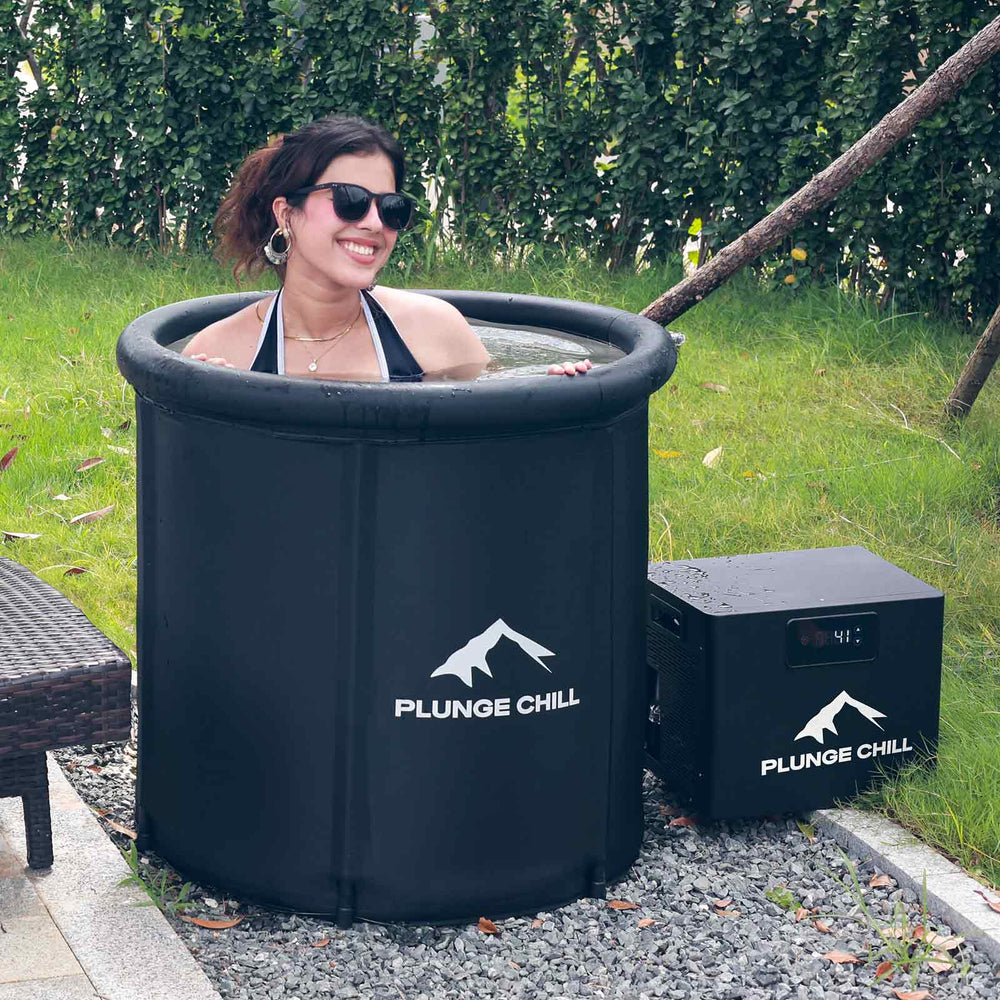
Cold-water immersion has moved from athletic training rooms into garages, spare bathrooms, and patios across the country. As a sports rehabilitation specialist and strength coach who also reviews cold plunge products, I’ve seen the full spectrum: from stock-tank DIY setups topped with ice bags to self-chilling stainless plunge systems with ozone and UV. This guide translates the science and the practical realities into a smart, step-by-step approach to buying the right ice bath for your goals, space, and budget—without hype, and with safety and performance in mind.
Why You’re Buying It: The Physiology and What Evidence Actually Shows
The rationale for owning an ice bath is straightforward: cold causes vasoconstriction that tempers swelling and discomfort; rewarming enhances circulation, which may help move metabolic byproducts. Immediate soreness relief and a perception of faster recovery are the most consistently reported gains. Ohio State Health recommends immersing for roughly 10 to 20 minutes at 50–59°F, emphasizing that full-body immersion works more uniformly than cold showers and that cold showers are acceptable but comparatively less comprehensive.
A peer‑reviewed meta‑analysis available via PubMed Central found that cold-water immersion meaningfully reduces perceived exertion and soreness immediately after exercise and lowers creatine kinase at 24 hours, while showing no consistent enhancement in jumping performance at 0, 24, or 48 hours. The mixed outcomes likely reflect differences in water temperature, submersion depth, and the type of performance tested. Runner’s World, summarizing research in Sports Sciences for Health, also notes a large real‑world adherence gap: athletes often go too cold for too short, rather than the recommended 10 to 15 minutes at about 48–59°F, which undermines the very benefits they’re seeking.
One crucial caveat matters for lifters. Ohio State Health and sports medicine summaries warn that frequent post‑lift cold exposure can blunt strength and hypertrophy adaptations. The practical solution is simple: when muscle size and strength are the priority, separate hard lifting and cold immersion by 24 to 48 hours.
Clarify Your Primary Use Case Before You Shop
The right purchase depends on what you’ll do most.
If endurance recovery or high-volume training is your anchor, a unit that holds a steady 50–59°F and encourages consistent session lengths will serve you best. This aligns with guidance from SportsMed Rockies and Runner’s World that typical sessions last about 10 to 15 minutes and that consistency matters. If your target is mental alertness or stress regulation, a faster-cooling system and a comfortable, repeatable routine may be more valuable than pushing temperatures into the low 40s. If you manage acute swelling after hard efforts, a reliable thermometer and quick setup are paramount because dose—time and temperature—drives outcomes more than theatrics.
For strength and hypertrophy phases, lean on the same unit but time your plunges away from post-lift windows, a strategy also echoed by guidance for triathletes that suggests avoiding cold exposure for several hours after resistance sessions while using it after long endurance work.

Ice Bath, Cold Plunge, or Cryotherapy?
“Cold plunge” typically refers to a dedicated, chilled tub that holds a precise temperature without requiring constant ice. “Ice bath” more often describes a container filled with cold water and ice. Whole-body cryotherapy uses ultra-cold air in a supervised chamber for a very short duration. Pause Studio describes cryotherapy as brief, dry, and facility-based; ice baths are longer, wet, and home-friendly; cold plunges sit between, trading higher upfront cost for convenience and precision. Exinda Group emphasizes that consistent, controllable temperatures enhance outcomes relative to ad‑hoc ice topping.
Here is a concise comparison to anchor your choice.
Modality |
Typical Temperature |
Typical Session Length |
Precision/Consistency |
Setup & Maintenance |
Accessibility |
Cold shower |
Around or below 60°F if tap allows |
Seconds to a few minutes |
Low |
Minimal |
Universal |
DIY ice bath (tub + ice) |
Usually 39–59°F, fluctuates |
5–15 minutes |
Low to moderate |
Ice sourcing, draining, cleaning |
Low cost, more effort |
Portable non‑chilled tub |
Often 45–59°F with added ice |
5–15 minutes |
Moderate with diligent ice management |
Periodic draining and cleaning |
Apartment‑friendly footprint |
Chilled plunge tank |
Setpoint often 39–59°F |
5–15 minutes |
High |
Filtration, sanitation, periodic service |
Plug‑in convenience |
Whole‑body cryotherapy |
Extremely cold air, very brief |
2–4 minutes |
High (facility controlled) |
No home maintenance |
Facility dependent |
Sources: Ohio State Health; Pause Studio; Exinda Group; OnePeloton recovery guide.
The Buying Criteria That Actually Matter
Start by matching the product to your protocol, then evaluate the details that determine whether you’ll use it consistently.
Temperature Range, Accuracy, and Stability
Most recovery protocols center around 50–59°F because this range balances analgesia, swelling control, and tolerability. Lando Water Chillers and Ohio State Health both highlight this zone. Units capable of dipping into the low 40s appeal to mental-resilience goals but impose a higher discomfort tax, especially for beginners. Stability matters as much as minimum temperature, and Exinda Group points out that precise, consistent temperatures improve outcomes relative to improvised setups. Prioritize a system with an accurate thermostat and a reliable thermometer you will actually read.
Time to Target and Capacity
A larger tub feels luxurious but requires more cooling time and energy—or more ice. If you plan daily immersion, a chiller that reliably holds temperature pays for itself in routine and workflows, whereas bagged ice becomes an ongoing cost and errand. In my clients’ homes, the gap in friction is more influential than most shoppers expect; the easier it is to get into consistent 50–59°F water, the more likely you are to complete the prescribed 10–15 minutes.
Water Quality and Sanitation
Rolling Stone’s product testing highlights features that matter for hygiene: integrated filtration, ozone, and UV. Units such as The Plunge and Sun Home models incorporate filters and oxidizers; these features allow longer intervals between full drain‑and‑refills and reduce biofilm risk. If you’re considering a non‑chilled or DIY option, plan a hygiene protocol of regular draining, scrubbing, and water treatment. OnePeloton’s recovery guide favors ice baths over showers for efficacy but does not diminish the need for water hygiene, especially in warm climates.
Overlooked insight integrated into purchase decisions: water-change claims vary widely because filtration, oxidizers, and user load differ across products. Rolling Stone notes that one indoor/outdoor plunge reports water changes as infrequent as every few months, while Urban Ice Tribe suggests changing water roughly once a month. The practical takeaway is to treat marketing intervals as optimistic upper bounds.
Footprint, Ergonomics, and Placement
Barrel-style tubs are compact and upright; rectangular plunges allow full stretch. Rolling Stone’s coverage of Ice Barrel underscores portability when empty, while compact models like Wilder prioritize small footprints and quick setup. Try to sit in a similar shape before buying if possible. Check for grab points, step-over height, and head support, particularly if you expect to be numb and moving carefully after sessions.
Power, Ventilation, and Noise
Many self-chilling tubs operate on 110V household power, as highlighted in Rolling Stone’s testing notes. Units require ventilation around the chiller intake and exhaust; warm closets and tight corners degrade performance. Overlooked insight from field use: published noise levels are rare, yet compressor hum can matter in apartments and shared spaces.
Operating Cost and Service
DIY tubs shift costs to ice and your time; chilled plunges shift cost to electricity, filter elements, and occasional service. Pause Studio’s cryotherapy overview places whole‑body cryo at roughly 100 per session in facilities, which for frequent use pushes most shoppers toward home immersion. Favor brands with documented maintenance steps, accessible customer support, and readily available filters and gaskets.

Safety, Protocol, and Scheduling That Protect Your Training
For healthy adults, Ohio State Health recommends 10–20 minutes at 50–59°F, ideally in a controlled setting with a rewarming plan. On Shop’s coaching advice to focus on slow, controlled breathing during the initial cold shock is both practical and effective; pacing inhales and exhales helps avoid shallow, rapid breathing as you acclimate. After the bath, dry off carefully, layer up, and rewarm gradually. If you are new, have someone nearby for your first few sessions. Cold exposure acutely alters cardiovascular dynamics; consult a clinician if you have cardiovascular disease, neuropathy, Raynaud’s, or other conditions referenced by True Sports Physical Therapy, and be cautious if you are pregnant.
If your program includes heavy strength work, Ohio State Health and sports performance sources suggest delaying immersion by 24–48 hours after lifting to avoid blunting hypertrophy and strength signaling. Conversely, if you race or complete a long endurance session and need to return to training quickly, immersion soon after the bout is reasonable and commonly used.
A second insight from applied settings is compliance. Runner’s World reported that many athletes stray outside the recommended range, often enduring extremely cold water for only a few minutes. The fix is to make your dose easy to execute: choose a setup that displays temperature clearly, set a timer you can see from the water, and schedule a warm beverage and brief walk afterward. Small workflow details become the difference between a bath you use twice a week and a fixture that becomes lawn art by Labor Day.

Real Product Examples: How Features Translate in Practice
Rolling Stone’s independent testing offers a useful snapshot of how feature sets translate to daily use. A self‑cooling stainless tub rated for outdoor use, with UV and ozone sanitation and an insulated lid, keeps water clean and timing predictable; one model they reviewed maintains approximately 32–48°F, holds roughly 150 gallons, and plugs into a household outlet. The net effect is a ready‑anytime system that makes compliance simple, at the expense of higher upfront cost and a permanent footprint.
Compact, portable options solve a different problem. Wilder’s portable tub emphasizes small-space use with a footprint around 29.5 by 31.5 inches, a lid, hand pump, and carry case. You supply the ice and manage water changes, but setup is quick and the unit stows easily. Barrel-style tubs like the Ice Barrel 300 balance capacity and portability; when empty, reported weights around 61 pounds make relocation practical, and upright posture fits tight corners. Indoor/outdoor plunges with filtration and ozone, like those described as reaching 39°F and operating on 110V, offer a middle path—no daily ice runs and multi‑month water intervals reported by the brand—again underscoring that filtration and oxidizers change maintenance rhythms.
Use these examples to map features to your reality rather than to chase extremes. If you train most mornings before work, a ready‑to‑go, self‑chilling plunge with a rigid cover is the highest‑compliance option. If you want to experiment on weekends or after long runs, a portable tub might be perfect. If you are highly space constrained, a barrel configuration sits where a rectangle will not.

A Simple Comparison of Product Categories
Category |
What You Get |
Best For |
Key Strength |
Key Trade‑Off |
DIY tub with ice |
Basic container plus ice bags |
Occasional use, low budget |
Lowest upfront cost |
Ongoing ice cost and temperature swings |
Portable non‑chilled tub |
Insulated, collapsible or freestanding tub |
Small spaces, travel, renters |
Fast setup and storage |
Manual ice management and frequent water changes |
Chilled plunge tank |
Integrated chiller, filtration, often ozone/UV |
Daily users, shared households, teams |
Precise temperature and convenience |
Higher upfront cost, permanent footprint |
Barrel‑style tub |
Upright, compact profile |
Tight footprints, patio corners |
Space efficiency and portability when empty |
Less stretch‑out room, step‑in height |
Facility cryotherapy |
Ultra‑cold, brief sessions |
Time‑pressed, travel, supervised care |
Time efficiency and professional control |
Ongoing per‑session cost, travel to facility |
Care and Hygiene That Keep You Safe
Cold immersion is a water sport. Treat your bath like a small pool. A filtration system plus ozone or UV reduces microbial load and prolongs water life, but it does not replace cleaning. Check filters on the schedule the manufacturer recommends, wipe surfaces to disrupt biofilm, and monitor water clarity and odor. Urban Ice Tribe suggests changing water roughly monthly in simple tubs, while Rolling Stone’s testing notes that some filtered plunge systems claim multi‑month intervals. The responsible stance is to pair the manufacturer’s protocol with your own testing.
How to Turn Research Into a Confident Purchase
Begin by writing down your protocol: target temperature, typical session length, weekly frequency, and when in your training week you plan to plunge. Measure your space and decide whether you need indoor or outdoor placement. Choose a category whose friction matches your personality: if you dread errands, daily ice runs will not last; if you love routine, a unit that displays a stable 50–59°F and runs on a household outlet is ideal. Confirm sanitation features and consumables you are comfortable maintaining. Ask the brand to share a user manual in advance, including filter schedules and any recommended cleaning chemicals. For apartments, ask about noise and ventilation. For households with kids, confirm locking lids and safety protocols. Finally, check warranty terms and how service is handled in your region.
Takeaway
Most buyers overestimate the importance of the coldest possible setpoint and underestimate the value of consistency, sanitation, and workflow. The science supports cold-water immersion for immediate soreness and perceived recovery, with caution not to sabotage strength gains by plunging right after lifting. Match your purchase to your training goals, schedule, and space, and prioritize the features that make you use it three times a week for six months rather than the bragging rights of a single 38°F selfie.
FAQ
How cold should my ice bath be? Most recovery protocols converge around 50–59°F because this range balances comfort with effectiveness. Ohio State Health and Lando Water Chillers both highlight this temperature zone. Colder is not automatically better; excessively cold water often shortens sessions and reduces adherence.
How long should I stay in the water? Ten to fifteen minutes is the most commonly recommended range for general recovery, with some sources allowing up to 20 minutes if you are well‑acclimated. Runner’s World notes that many athletes cut sessions short or go too cold; use a visible timer and a thermometer to hit the intended dose.
Will cold plunges hurt my strength or muscle gains? Frequent immersion immediately after lifting can blunt hypertrophy and strength signaling. Ohio State Health and sports performance reviews advise delaying cold immersion 24–48 hours after heavy resistance training. For endurance recovery between sessions, same‑day use is common.
Is whole‑body cryotherapy better than an ice bath? Cryotherapy is faster and facility‑controlled, typically lasting 2–4 minutes, while ice baths require 5–15 minutes. Pause Studio and triathlete coaching resources suggest both reduce soreness, but an at‑home plunge is more accessible and economical for frequent use. Choose based on convenience, budget, and preference rather than a belief that one universally outperforms the other.
How often should I change the water? Intervals vary with filtration, ozone/UV, bather load, and climate. Some plunge systems report multi‑month intervals, while simpler setups may need water changes about monthly.
Are cold showers a good substitute? Cold showers can be a practical on‑ramp and mood booster but are less immersive and less consistent than a plunge. OnePeloton’s recovery guide and Ohio State Health favor full-body immersion for comprehensive effects, while acknowledging that showers are accessible and useful when a tub is unavailable.
References
- https://www.health.harvard.edu/staying-healthy/the-big-chill
- https://sncs-prod-external.mayo.edu/hometown-health/speaking-of-health/cold-plunge-after-workouts
- https://pmc.ncbi.nlm.nih.gov/articles/PMC2938508/
- https://health.osu.edu/wellness/exercise-and-nutrition/do-ice-baths-help-workout-recovery
- https://health.clevelandclinic.org/what-to-know-about-cold-plunges
- https://mcpress.mayoclinic.org/healthy-aging/the-science-behind-ice-baths-for-recovery/
- https://biohackersupply.com/pages/ice-baths-for-athletes-a-comprehensive-guide?srsltid=AfmBOoo1ecN4wwov1OOBohv4mQB4TqQWOMx82StKw7RiTfcuZW7dlv0S
- https://www.networldsports.com/buyers-guides/guide-to-ice-baths?srsltid=AfmBOoo9GBX0UAdiV1JEONiSRXS4yxHXskB5IkvSXKAmkkprmozxOZ3x
- https://plunge.com/pages/ice-baths-everything-you-need-to-know?srsltid=AfmBOopJ0SjEYqu0c0Th-qB-IsWMLnr1miFjBsujLwWkfJHnJ2SNrIzx
- https://www.scienceforsport.com/science-of-ice-bath-recovery-for-fighters-in-depth-guide/?srsltid=AfmBOop7oMbJoQuwQTj7uk1-59ptoHTneXPQYtEJSv34fQdFm0WUqkGm