Summary: A progressive “59°F to 37°F” cold-plunge plan can be safe and effective for performance and recovery when you lower temperature slowly, cap exposure time, and treat rewarming as seriously as the plunge itself.
As a rehab specialist and strength coach, I like cold exposure—but only when it respects physiology. Water pulls heat from the body far faster than air, so the margin for error is small, especially for athletes coming off injury or with hidden cardiac risk.
Why Gradual Cold Beats Shock Therapy
Cold water increases heart rate, blood pressure, and breathing rate in the first 30–90 seconds—the “cold shock” response. Research summarized by Harvard Health and cold-weather physiology texts shows that staying dry, limiting exposure, and blocking wind are key to preventing hypothermia. Those same rules apply to plunges.
Water conducts heat away roughly 20–25 times faster than air, so a plunge at 45°F feels much harsher than standing outside at the same temperature. That is why air-based layering systems from outdoor brands like REI or GearLab emphasize moisture control and wind protection even in “mild” cold. In water, you must respect those principles even more.
Clinically, I’ve seen two common mistakes: starting too cold (straight to near-freezing) and staying in too long. Both increase risk of after‑drop—a continued fall in core temperature after you get out—especially if you are under-fueled or not dressed to rewarm.
One nuance: medical sources from university hospitals note that a single high‑quality insulated garment can be as warm as multiple layers, but layering still gives you the control you need to adjust quickly before and after a plunge.

The “59°F to 37°F” Progression in Practice
The trending plan starts around 59°F and works down toward 37°F over several weeks. Think of it as four phases rather than a rigid calendar, and only move down when the current phase feels controlled and repeatable.
A practical structure for healthy, cleared adults might look like:
- Phase 1 (59–54°F): 2–3 minutes, 2–3 times per week, breathing under control, minimal gasping.
- Phase 2 (54–48°F): 2–4 minutes, same weekly frequency; exit when shivering becomes noticeable.
- Phase 3 (48–42°F): 3–5 minutes max; consider two shorter bouts (for example, 2 × 2 minutes) instead of one long one.
- Phase 4 (42–37°F): 1–3 minutes for advanced users only; total weekly cold exposure rarely needs to exceed about 10–12 minutes at these temperatures.
Progress is not linear. Strength athletes with high muscle mass often tolerate cold better than endurance athletes but also produce more heat during training, so they may not need the coldest phases to see recovery benefits. Anyone with cardiovascular disease, Raynaud’s, uncontrolled hypertension, or peripheral neuropathy should talk to a physician before attempting this plan.

Pre‑ and Post‑Plunge Protocols From Rehab
What you do around the plunge matters as much as the minutes in the tub. Cold-weather research from academia and brands like REI, Montane, and Harvard Health all converge on one message: stay dry, trap warm air, and block wind.
Before you plunge, I recommend a light dynamic warm‑up—not a max-effort workout. Think 5–10 minutes of easy mobility or walking until you feel lightly warm but not sweaty. Sweat sitting on the skin accelerates heat loss once you hit the water.
Have a rewarming kit ready within arm’s reach: a moisture‑wicking base layer (merino or high‑performance synthetic, not cotton), an insulating mid‑layer (fleece or wool), and a wind‑ and water‑resistant shell if you’re outside. This mirrors the three‑layer systems described by Harvard, REI, and mountaineering guides.
For most athletes, a simple post‑plunge sequence works well:
- Step out, towel off aggressively, and dry feet and hands first.
- Pull on warm socks, a hat or beanie, and a dry base layer immediately.
- Add an insulating mid‑layer and, if outdoors, a windproof shell.
- Walk around indoors for 5–10 minutes, then drink a warm, non‑alcoholic beverage.
Avoid using alcohol to “warm up”—medical guidance is clear that it increases heat loss and blunts shivering, even if you feel warmer at the skin.

Choosing the Right Tub and Gear
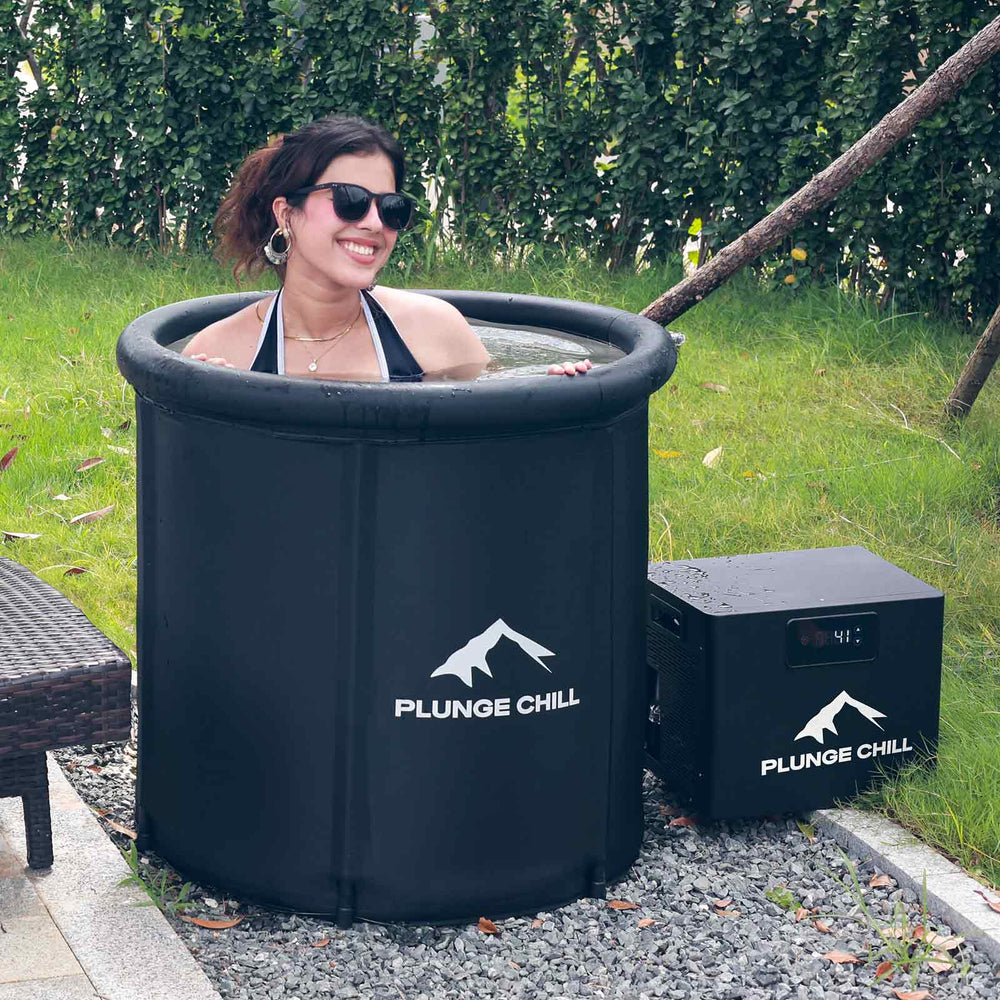
From a product-testing standpoint, not all cold plunges are equal when you start pushing toward 37°F. Just as winter shells differ in breathability and water resistance, plunge systems vary in how well they hold temperature, how clean they stay, and how easy they are to get in and out of when you’re cold and slightly light‑headed.
For progressive plans, I look for:
- Reliable temperature control across the full 59–37°F range and a clear, accurate thermometer.
- Insulation and a fitted cover, so water temperature is stable and you aren’t fighting unwanted fluctuations.
- Stable, non‑slip steps and a firm rim you can brace on—critical after lower-body lift days or knee rehab.
- Enough internal space to sit with neutral spine and relaxed shoulders; cramped positions create unnecessary tension.
Pair the tub with the same fabrics winter experts recommend: merino or technical synthetics for robes and base layers, fleece or insulated jackets for outer layers, and warm, dry footwear. Down insulation is excellent for static warmth but loses performance when wet, so I favor synthetic‑insulated parkas or thick fleece if splashing is likely.
Done with respect for physiology, a “59°F to 37°F” progression can be a potent tool—improving cold tolerance, perceived recovery, and mental resilience. Done carelessly, it is just another stressor. For athletes and patients alike, the goal is controlled stress, not heroic suffering.

References
- https://www.academia.edu/2396652/Clothing_for_Extreme_Cold_Weather
- https://www.health.harvard.edu/exercise-and-fitness/no-excuses-how-to-layer-up-for-walking-in-the-winter
- https://www.oakharbor.gov/786/Dress-for-Winter-Weather
- https://www.urmc.rochester.edu/encyclopedia/content?ContentTypeID=1&ContentID=696
- https://www.weber.edu/outdoor/blog/layering-basics.html