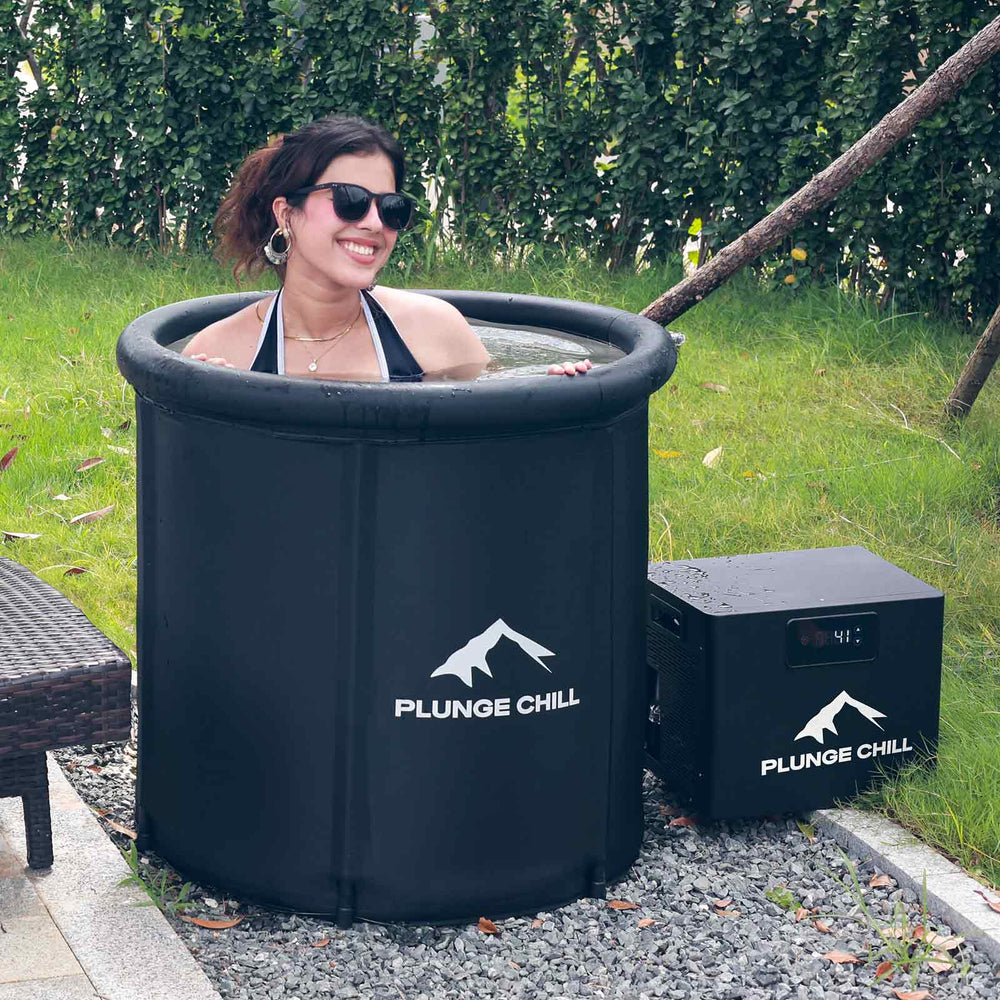
As a sports rehabilitation specialist and strength coach who also reviews cold plunge systems, I approach premium tubs the way I evaluate elite training tools: by how consistently and safely they deliver the intended physiological stimulus. For cold water immersion, that means precise temperature control in the low 30s to low 50s °F, stable water quality, ergonomics that allow full-body submersion without strain, and a maintenance workflow you can actually live with. This guide synthesizes independent testing, medical guidance, and hands‑on product evaluations to help you select and use a luxury plunge with confidence.
What “Premium” Really Means in Cold Plunges
Premium is less about a shiny shell and more about controlled stress delivered repeatably. At the top end, tubs pair insulated basins with dedicated chillers, app or onboard controls, and integrated sanitation. The best units maintain setpoints reliably, keep water clear via filtration plus ozone and or UV, and minimize thermal drift from ambient heat. Stainless, acrylic, or fiberglass structures withstand weather and cleaning chemicals better than soft‑sided options. Premium also implies thought‑through ergonomics, like non‑slip floors, stable ingress, and a geometry that lets taller users submerge to the neck without contortion.
Compared with DIY or ice‑fed setups, premium systems reduce the hassle of buying and dumping ice, hold temperature steady throughout a session, and typically extend water life from days to weeks or months through continuous recirculation and sanitation. Manufacturers such as Chilly GOAT (by Master Spas) emphasize plug‑and‑play installs, dual‑flow jets to limit thermal layering, and UV or ozone sanitation to keep maintenance light over time. Icebound Essentials recommends mechanical filtration in the 5–20‑micron range and circulation that turns over the full volume every 30–90 minutes. These are the quiet fundamentals that separate a luxury plunge from an occasional ice bath.
The Physiology and the Evidence, Not the Hype
Cold water immersion triggers rapid vasoconstriction followed by reperfusion during rewarming. The acute response reduces local tissue temperature and alters nerve signaling, which can lower pain perception and curb swelling after intense efforts. A meta‑analysis summarized by Harvard Health reviewed 11 studies covering 3,177 participants in water between roughly 45 and 59°F for exposures that spanned seconds to minutes across multiple days per week. Findings included reduced stress reported at about 12 hours after immersion, better sleep in men but not women, and higher quality‑of‑life scores in groups using cold showers. The same analysis did not find consistent improvements in mood or immunity and concluded that heterogeneity in temperatures, durations, and methods limits firm conclusions.
In practice, coaches and athletes use cold plunges for soreness management, perceived recovery, and mental resilience. Ohio State Health reports that endurance athletes may see recovery benefits, while ice baths taken immediately after lifting can blunt long‑term strength and hypertrophy. For lifters focused on size and strength, Ohio State Wexner Medical Center recommends waiting 24 to 48 hours post‑training before cold immersion to allow the necessary inflammatory signaling for adaptation. The Scope from University of Utah notes that about 11 minutes per week total exposure, split across two to three sessions, is a reasonable guideline seen in several studies, and recommends letting the body rewarm naturally after the plunge to leverage shivering thermogenesis. Claims about using cold exposure to treat depression are not supported by rigorous evidence according to Ohio State Wexner Medical Center; behavioral therapies remain first‑line for clinical depression.
Two things can be true at once. Many athletes report they feel better and train more consistently when they manage soreness with cold. At the same time, research is mixed, especially on long‑term outcomes and cognition, and varies by population and methodology. It is wisest to align your protocol with your training goal and medical profile rather than chase a universal “best.”
Protocols That Align With Training Goals
For general wellness or endurance recovery, a practical starting point is 50 to 59°F for two to five minutes, progressing toward weekly totals of about 11 minutes as tolerated. For advanced users seeking a deeper cold stimulus, sessions in the low to mid‑40s °F can be integrated once technique and breathing control are established. For hypertrophy and maximal strength phases, cold plunges immediately after lifting are not ideal. Waiting a day or two preserves the pro‑inflammatory cascade that supports gains without giving up the psychological and soreness management benefits of cold on the rest days. Mayo Clinic also suggests keeping early exposures brief, having warm clothing ready, and avoiding risky environments like fast‑moving rivers or iced‑over lakes.
A Framework for Buying a Luxury Plunge
Begin with environment and usage frequency. If you plunge multiple days per week and value temperature precision, a dedicated chiller is the core decision, not the tub shape. Match cooling capacity to your water volume and local heat load, and ensure your power circuit and ventilation can support the unit. Plug‑and‑play integrated systems simplify installation, but some configurations benefit from a dedicated 120 V circuit; aggressive cooling can trip shared breakers, as product testers at BarBend point out. For outdoor placements, plan sun exposure and clearances for intake and exhaust, plus a safe, level, non‑slip base.
Water capacity, footprint, and ergonomics matter more than spec sheets suggest. Neck‑depth submersion requires both length and depth; a compact barrel may save space but complicate entry unless you have a stable step. Indoor installs reward easy drainage and nearby access to a tub or shower to rinse before plunging; outdoor setups benefit from hose bib proximity and a plan for wastewater. Water weighs about 8.34 lb per gallon; a 100‑gallon tub adds more than 800 lb to the dry mass, so confirm floor load limits.
Filtration and sanitation are the unsung heroes of luxury ownership. Multi‑stage systems with fine mechanical filters plus ozone and or UV reduce chemical use and keep water clear. Covers keep heat in and debris out, while anti‑slip surfaces, lockable lids, and GFCI protection add real-world safety. Materials such as acrylic or fiberglass offer smooth, easy‑clean surfaces; stainless is durable but needs insulation and careful chemical selection; wood is beautiful yet requires periodic care and sun protection.
Premium Models at a Glance
The following summary table consolidates independent test data and manufacturer claims from sources including BarBend, Wired, and various product pages. Values are rounded for clarity.
Model |
Cooling Range (°F) |
Capacity (gallons) |
Footprint/Size |
Power/Install |
Notable Features |
Price Tier |
Source |
Sun Home Cold Plunge Pro |
about 32 min |
about 95 |
about 6′6″ long; heavy |
Indoor or outdoor; advanced chiller |
App control; stainless; ozone and UV |
about $10,499.00 |
BarBend |
Plunge (original) |
to about 39 |
about 100 |
about 67″×43″×24″ |
Plug‑and‑play; arrives assembled |
Ozone plus 20‑micron filtration; optional Wi‑Fi; underwater light |
Premium |
BarBend |
Nordic Wave Viking Gen 2 |
mid‑30s |
about 85 |
about 53″×30″×24″ |
Standard outlet; ¼‑HP chiller |
Multi‑stage sanitation; thick insulation |
Upper mid |
BarBend |
Redwood Outdoors Alaskan |
chiller add‑on |
varies |
about 30″ tall; about 140 lb empty |
Outdoor; assembly required |
Vertical cedar or steel barrel; seat and steps |
Varies with options |
BarBend |
Renu Therapy Cold Stoic 2.0 |
to about 36 |
not listed |
Wood‑clad premium build |
Integrated chiller |
Aesthetic centerpiece; integrated filtration |
High |
ReGen summary and BarBend |
Morozko Forge |
about 33 to 55 |
not listed |
Heavy, commercial‑grade |
Integrated heavy‑duty chiller |
Ozone sanitation; fast chill |
Very high |
ReGen summary |
PolarMonkeys Brainpod 2.0 |
near freezing; tested about 34 on a hot day |
not listed |
about 5.5 ft long; just under 2 ft deep |
App control; fast chiller |
Heats to about 107; center drain spout |
High |
Wired |
Two important notes emerge from this comparison. First, several brands claim low‑30s performance, but real‑world minimums depend on ambient heat and insulation. Wired’s months‑long testing of the Brainpod 2.0 observed a floor of about 34°F in 90‑plus‑degree weather, a reminder that specifications are not a guarantee of performance in every climate. Second, warranties and service terms can be ambiguous across marketing pages. ReGen’s roundup cites three years for Renu Therapy, while a table in the same source shows five years. The discrepancy likely reflects differences between full‑system versus component coverage or model year updates. A prudent verification step is to request the current, model‑specific written warranty schedule before purchase and confirm what is covered at each year mark.

Fit, Ergonomics, and Safety You Can Feel
Having placed dozens of athletes in different tub geometries, I care as much about how your neck and hips sit as I do about temperature. Upright barrels like the Redwood Alaskan save space and feel immersive but require stable steps and careful ingress, especially when feet and wood surfaces are wet. Sleek rectangles such as the Plunge make seated submersion intuitive and easier to exit. Taller users benefit from longer basins; model notes suggest the Plunge All‑In accommodates users up to about 6 feet 9 inches, while compact barrels like the Nordic Wave require a stool that adds bulk to small spaces.
Sanitation features influence not just hygiene but also comfort. Dual‑flow jets that actively mix water minimize thermal layers so your legs and trunk experience consistent cold rather than localized “hot spots.” This mixing is easy to overlook in spec sheets yet noticeable in practice. Chilly GOAT calls out this design point explicitly. In any tub, stirring the water briefly before stepping in or using a pump cycle avoids a top‑cold, bottom‑warm stratification that otherwise creeps in during idle periods.
Cover safety and electrical protection are non‑negotiables in luxury installs that share space with families and pets. Choose lockable, insulated covers and confirm GFCI‑protected circuits and appropriate cord lengths and gauges. Icebound Essentials further recommends verifying UL or ETL labeling and moisture ratings such as IPX4 or better for components operating near water.
Installation and Power: Plan Once, Plunge Daily
Premium tubs have different electrical appetites. Many integrated systems are designed for a standard 110 to 120 V outlet, but manufacturers and testers often recommend a dedicated circuit to avoid nuisance trips when the chiller and pump cycle simultaneously. BarBend warns that aggressive cooling can trip breakers, and a consumer’s Plunge setup report highlights a common startup hurdle: a trapped airlock in the filter that prevented water circulation until the user opened the chiller cover and reseated the filter to purge air. Priming procedures are simple yet easy to skip; following them is the difference between a smooth same‑day plunge and a frustrating first hour.
For outdoor placements, think ahead about drainage, ventilation, and sun exposure. Many premium units include hose spigots, but not every hose threads perfectly; a small utility pump with a 15‑foot hose, which often costs about $30 to $40 in big‑box stores, can make maintenance predictable. Indoors, choose a room with waterproof flooring, a nearby drain path, and airflow to dissipate moisture. Water weights rise rapidly: at about 8.34 lb per gallon, even an 85‑gallon compact tub adds more than 700 lb to the empty mass. Verify the load capacity of decks and upper floors.
Ambient heat is the adversary of low setpoints, and placement choices can become an energy decision as much as a comfort decision. Wired’s reviewer offered a pragmatic tip: allow water to come back toward ambient during off days, then schedule the chiller to pull down to your target before the next session. Insulation quality and a tight, lockable cover reduce runtime and noise, which matters for bedrooms, offices, and wellness studios.

Water Care: The Quiet Work That Pays You Back
In a premium system, water care is not an afterthought. Ozone and UV minimize reliance on chlorine or bromine, yet most owners still use small doses of sanitizers to keep biofilms at bay. Filtration only works when water actually flows through the media; airlocks must be bled during first fill, and filters need regular changes and exact reseating to avoid leaks. Real‑world maintenance reports for the Plunge All‑In describe draining, scrubbing the waterline, and changing filters every few weeks. Even with UV and ozone, oils from skin and hair accumulate, so a quick skim before plunging and a rinse in an outdoor shower or bathroom greatly prolong clarity between deep cleans.
Thermal layering leads to uneven experiences. Mixing cycles or gentle stirring before entry keeps the whole column of water within a tighter band around your setpoint. If your tub runs in sub‑freezing climates, plan a winter strategy. Heated versions can protect plumbing and extend the season; otherwise, draining and winterizing or adding a purpose‑built pipe heater becomes essential. A reviewer who purchased an aftermarket pipe heater to prevent freezing found it effective, but that workaround underscores the value of confirming cold‑weather guidance for your exact model in advance.
Cost of Ownership: Beyond the Sticker
Luxury cold plunges occupy a wide price band. BarBend’s “Best Luxury” pick lists around $10,499.00, while smaller chiller‑integrated models and premium barrels sit lower. True cost accrues in electricity, filters, sanitation consumables, and time. Well‑insulated tubs with efficient chillers and tight covers reduce runtime, as Fun Outdoor Living points out, while stainless or acrylic shells and weather‑resistant cabinets limit long‑term wear. Ice‑fed setups seem cheaper, but recurring ice purchases, temperature drift, and more frequent water changes add both time and money. It is fair to ask for energy consumption estimates from the manufacturer and schedule a realistic maintenance routine that fits your week.
A subtle but important buyer’s point is benefits per session. Purpose‑built chillers hold temperatures steady; they do not warm drastically mid‑plunge like ice baths do once the ice melts. For users who rely on the mental and physiological effects of a consistent dose, this stability justifies the premium.

Choosing the Right Form Factor
The sit‑and‑stretch rectangle, the upright barrel, the compact oval, and the inflatable pod all have a use case. Upright barrels such as the Redwood Alaskan or Ice Barrel designs provide deep immersion in a tight footprint. Rectangular plunge basins like the Plunge or Brainpod minimize entry effort, often include underwater lighting for low‑light sessions, and can be easier to clean. Compact options such as the Nordic Wave Viking Gen 2 balance capacity and urban space constraints, often running on a standard outlet. Inflatables travel well and deflate for storage, but in premium contexts they are best considered as temporary solutions or companions to a dedicated chiller.
Materials dictate care and feel. Acrylic and fiberglass are smooth under skin, easy to wipe down, and insulate well. Stainless stands up to years of exposure but needs insulation and compatible chemicals. Cedar and other woods look and feel natural; they demand careful sealing and protection from prolonged sun exposure and dry‑out.
A Note on Conflicting Claims and Overlooked Factors
Published specs and lived reality sometimes diverge. Wired’s testing of the Brainpod 2.0 is a reminder that ambient heat can keep the cold floor a few degrees above the marketing line, and BarBend’s electrical warning puts practical constraints on “plug‑and‑play.” Another easily missed factor is water mixing. Chilly GOAT highlights dual‑flow mixing to reduce thermal layering, but many product pages do not mention it. In practice, that engineering detail prevents legs from sitting in warmer layers and improves perceived intensity at the same setpoint. Finally, warranties can be inconsistent across sales pages or evolve year to year. The Renu Therapy example summarized by ReGen shows three years in one place and five in a comparison table elsewhere, likely caused by different coverage scopes or model updates. Ask for a current, model‑specific warranty PDF and confirm parts versus labor coverage to resolve ambiguity.
Practical Safety Guidance
Cold stress is still stress. People with cardiovascular disease, uncontrolled hypertension, neuropathies, or Raynaud’s should consult a clinician before starting. Ohio State Health and Mayo Clinic both emphasize gradual exposure and avoiding unsupervised natural settings where currents or ice create additional hazards. The Scope suggests letting your body rewarm naturally afterward; shivering thermogenesis contributes to metabolic effects. Lock covers when not in use to prevent unsupervised access by children or pets, and keep a towel, warm clothing, and a safe rewarming area nearby.
Care and Maintenance Checklist, Explained in Everyday Steps
Plan your first fill on a day when you have time to prime and verify circulation. Activate carbon filters per the manufacturer instructions to avoid releasing dust into the tub, purge air from the lines, and confirm that your GFCI does not trip under normal chiller and pump loads. Establish a cadence for testing and balancing water chemistry appropriate to your sanitation system, change filters on schedule, and reseat the filter lid precisely to prevent leaks. Keep a simple skimmer nearby for surface films, and choose an indoor or outdoor rinse before plunging to reduce the oil load in the water. For drainage, verify fittings ahead of time; a small utility pump is an inexpensive fallback that saves frustration. Seasonal owners should request winterization procedures before the first freeze, and heated models should be set to an antifreeze mode per the manual if available.
My Testing Lens as a Coach and Reviewer
In clinics and home gyms where recovery must fit around family life and work, the units that earn my “premium” label are not just cold and beautiful; they are easy to live with. App‑based scheduling and pause‑filtration functions keep sessions pleasant, even for users who dislike cold jets blasting at the back. Underwater lighting sounds minor until you have a 6:00 AM winter plunge; then it feels essential. The Achilles heel in many households is underestimating maintenance. People who rinse beforehand, keep covers locked, and respect filter and chemical schedules spend less time scrubbing waterlines and more time training. The best luxury is reliability.
Takeaway
A premium cold plunge is a recovery tool and a wellness ritual. The right unit will maintain your target temperature, keep water clear with minimal supervision, and fit your space and body so you look forward to each session. Anchor your decision in objective requirements—cooling capacity for your volume and climate, real sanitation, safe power, and proven ergonomics—and then consider the finishing touches that make daily use effortless. Evidence for broad health claims remains mixed, but the use cases of soreness control, perceived recovery, and mental resilience are well supported in sport and practice. If you match your protocol to your goals and your tub to your environment, luxury plunging becomes a sustainable habit rather than a January novelty.
FAQ
What temperature should a luxury cold plunge reliably hold?
For recovery and mental resilience, most users target between the low 40s and mid‑50s °F. Premium units that reach about 39°F or lower offer headroom for advanced protocols. Independent testing reported by Wired observed near‑freezing floors in high ambient heat for certain models, while BarBend cites about 32 to 39°F as a typical capability band.
Will cold plunges hurt my strength and muscle growth if I use them after lifting?
Immediate post‑lift plunges can blunt long‑term hypertrophy and strength gains. Ohio State Health advises waiting 24 to 48 hours after resistance training if size or maximal strength is your goal. For endurance recovery or general wellness, same‑day plunges are less concerning and often helpful for soreness management.
How much time per week delivers benefits without overdoing it?
A practical guideline synthesized by The Scope at University of Utah is about 11 minutes per week total, split into two or three short sessions. Mayo Clinic and Ohio State Health both recommend starting conservatively and building gradually, keeping early sessions in the two to five minute range at about 50 to 59°F before progressing.
Are claims about cold exposure improving depression supported?
Ohio State Wexner Medical Center emphasizes that there is no rigorous evidence that cold exposure produces lasting improvements in depression. Evidence‑based therapies such as Cognitive Therapy and Behavioral Activation remain first‑line treatments. Cold exposure can complement well‑being for some, but it is not a replacement for medical care.
What maintenance should I expect with a high‑end plunge?
Even with ozone or UV, plan for regular filter changes, periodic water testing and balancing, surface skimming, and occasional deep cleans. Priming the system during first fill to purge airlocks and using a lockable cover to keep debris out both extend water life. Fun Outdoor Living and Icebound Essentials highlight that strong insulation and continuous circulation reduce runtime and maintenance frequency.
Is contrast therapy worth adding if my tub can also heat?
Alternating hot and cold can feel rejuvenating and may support circulation, but robust evidence is limited. Healthcare Utah notes no clear harm from hot–cold cycling in limited data, and many users report feeling better. If your unit heats to spa temperatures and your health profile is appropriate, contrast can be a practical enhancement. A simple verification step is to trial a two‑week contrast routine while tracking sleep and soreness, then adjust based on your specific response.
Buying Shortlist and Sizing Notes
If you want stainless and the lowest setpoints plus app controls and full sanitation for a dedicated indoor or outdoor spa, Sun Home’s Cold Plunge Pro sits at the high end with about 95 gallons and an about 6 feet 6 inches length. For plug‑and‑play indoor convenience with solid filtration and lighting, the Plunge in acrylic or fiberglass remains a reliable daily driver around about 100 gallons. For compact spaces and standard outlets where you still want an integrated chiller, the Nordic Wave Viking Gen 2 balances footprint and depth at about 53 by 30 by 24 inches with mid‑30s temperatures. If you prefer a traditional aesthetic and vertical immersion, a barrel like Redwood’s Alaskan can be paired with a chiller to add precision later. If you need the fastest chill and hottest heat in a single system and accept a high price tier, Wired’s testing of the Brainpod 2.0 demonstrates near‑freezing lows and about 107°F highs with modern controls. Always confirm electrical requirements and delivery paths; water weight plus cabinet mass can exceed four figures in pounds once filled.

A Note on Coverage, Benefits, and Payment Accounts
Vendors sometimes advertise FSA or HSA eligibility depending on therapeutic use. This varies by plan and documentation. The prudent step is to ask your benefits administrator to confirm coverage for your specific diagnosis and obtain a letter of medical necessity if required.
Final Word as a Coach
Recovery routines succeed when they are simple, repeatable, and aligned with your goals. Choose a plunge that fits your space and delivers the dose you need without fuss, honor the maintenance schedule, and place sessions where they reinforce your training rather than compete with it. Do that, and a premium cold plunge becomes less of a luxury purchase and more of a durable pillar in your wellness program.
References
- https://www.health.harvard.edu/staying-healthy/research-highlights-health-benefits-from-cold-water-immersions
- https://digitalcommons.liberty.edu/cgi/viewcontent.cgi?article=8439&context=doctoral
- https://wexnermedical.osu.edu/our-stories/cold-water-therapy-for-depression
- https://commons.und.edu/cgi/viewcontent.cgi?article=1076&context=pas-grad-posters
- https://sncs-prod-external.mayo.edu/hometown-health/speaking-of-health/cold-plunge-after-workouts
- https://healthcare.utah.edu/the-scope/mens-health/all/2024/04/171-cold-hard-facts-about-cold-plunging
- https://www.garagegymreviews.com/best-cold-plunge-tub
- https://barbend.com/best-cold-plunges/
- https://www.fieldmag.com/articles/cold-plunge-guide
- https://larryspoolsandspas.com/premium-cold-plunge-tubs-5/