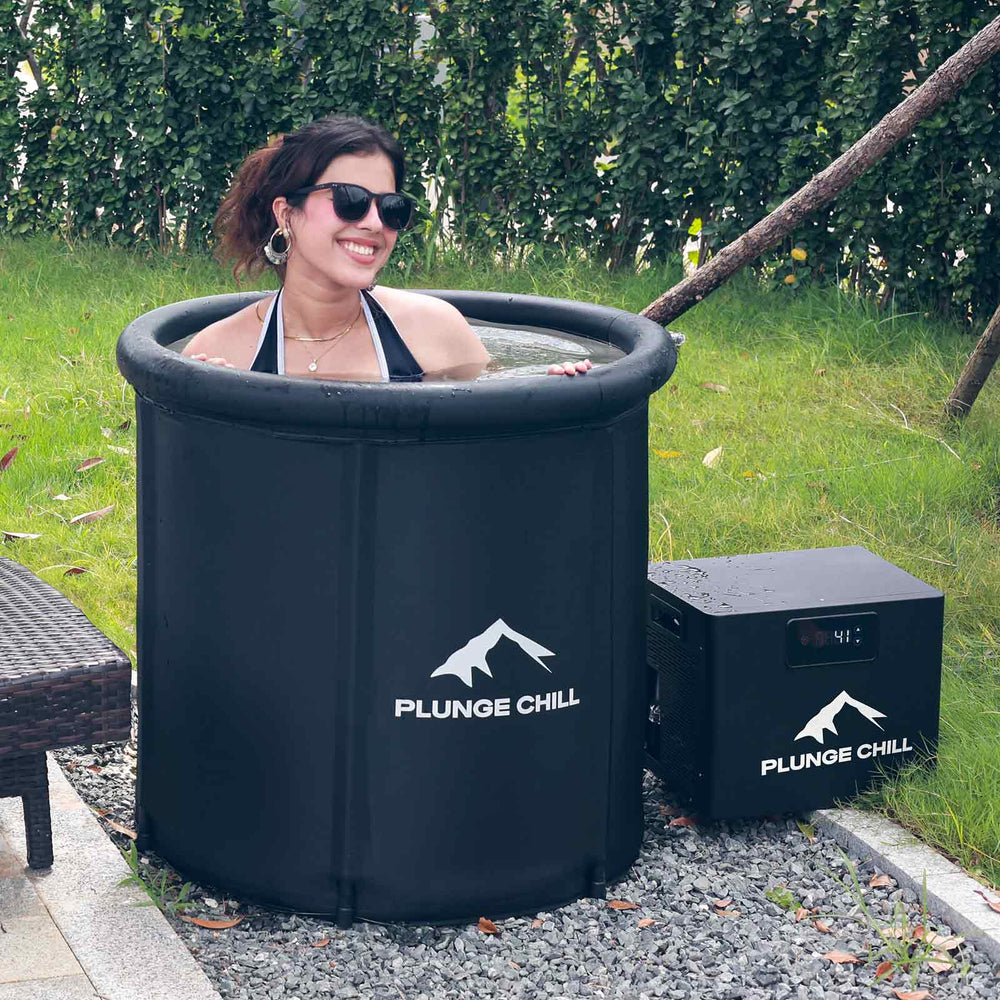
As a sports rehabilitation specialist and strength coach who also reviews cold‑plunge products, I’ve used cold exposure with athletes, post‑operative patients, and everyday clients who want sharper mood control and stress resilience. The form it takes—solo cold showers or home plunges versus group dips in open water—changes not only the experience but the mental health return, the risk profile, and the purchase decision. Here is a rigorous, evidence‑based comparison to help you choose the right setting and protocol.
What Counts as an Ice Bath? Definitions and How It Works
Cold‑water immersion (CWI) in research typically means chest‑level water at 45–59°F for at least 30 seconds, though protocols span 30 seconds to 2 hours. At home, most people work in the 50–60°F range. A “polar plunge” often means 35–40°F open water. Cold showers, usually around 50–60°F from a typical tap near 55°F, mostly cool the periphery rather than the core. Whole‑body cryotherapy uses cold air and may reach approximately −200°F for a few minutes; it elicits related physiology but is a different modality.
The cold‑shock response explains why the first minute feels intense: breathing accelerates, heart rate and blood pressure spike, and blood flow shifts to protect the core. As you stay calm and gain breath control, that sympathetic surge gives way to a parasympathetic rebound that feels centered rather than panicked. On the neurochemical side, cold exposure can boost norepinephrine and trigger endorphins. In healthy adults, a 5‑minute head‑out immersion at about 68°F increased positive affect and reduced negative affect on a validated mood scale, with brain imaging showing tighter integration among salience, default mode, and frontoparietal networks. Facial immersion can also activate the diving reflex, increasing vagal tone and providing a quick downshift tool for emotional regulation.
The immune and inflammatory story is more nuanced. Meta‑analysis in healthy adults shows an acute spike in inflammatory markers immediately and at one hour post‑immersion, while perceived stress dropped at 12 hours post‑session. Sleep quality and quality of life improved in some studies; pooled mood improvements were not consistent. Taken together, cold exposure appears to deliver reliable short‑term mental benefits for many people, while long‑term mental health effects remain under active study and may depend on the person, the dose, and the context—individual versus group included.

What the Evidence Says About Mental Health Effects
The immediate state shift is the most consistent effect. In laboratory conditions, five minutes at about 68°F improved feelings of activity, alertness, attentiveness, pride, and inspiration in 33 healthy adults, with reductions in distress and nervousness. Field settings have shown that a 20‑minute sea immersion at approximately 56.5°F improved tension, anger, depression, fatigue, and confusion, while boosting vigor and self‑esteem versus controls. Outside of the first hour, a systematic review of randomized studies found that perceived stress was lower at 12 hours after cold exposure, not immediately, and not at 24 or 48 hours.
Social context matters. Case Western Reserve University notes that many people report immediate euphoria after immersion, and social factors likely contribute. A Frontiers in Psychiatry review protocol highlights group cohesion as a plausible psychological mechanism influencing outcomes, alongside physiologic arousal and habituation. Healthline’s summary of the PLOS One meta‑analysis also observed a social dimension around popular events like polar plunges. Expectancy effects are real as well; in exercise recovery research that cold‑exposure enthusiasts often cite, outcomes shifted depending on what participants believed would work. For mental health, that means attitude, environment, and group dynamics can amplify or dilute benefits.
Three additional realities shape how you feel afterward. First, the inflammatory blip in the first hour is normal; it’s your body interpreting cold as a stressor. Second, cognition can wobble for a short window: a review of cold‑air and cold‑water studies found temporary impairments, especially in processing speed and executive function, during or soon after exposure. Third, adaptation changes the response: in winter swimmers and cryotherapy programs, cortisol responses decreased over weeks while norepinephrine reactivity stayed steady, a pattern that aligns with better stress modulation rather than blunt force arousal.
Individual vs Group: How Setting Shapes the Mental Health Return
The setting—solo at home or clinic, versus group plunges or open‑water swims—changes the dose control, the psychological experience, and the risks. Solo lets you nail the temperature, duration, safety, and scheduling to your needs. Group settings add community, meaning, and accountability that often translate into stronger adherence and a more enjoyable practice. They also add variables, from water temperature swings to peer pressure that can lead to longer or colder exposures than you planned.
Here is a concise comparison.
Dimension |
Individual Ice Bath (Home/Clinic) |
Group Ice Bath / Cold-Water Swim |
Dose control |
Precise control of temperature in the 50–60°F range and duration from 30 seconds to 5–10 minutes; easy to progress gradually. |
Temperature and exposure can vary; open water may fluctuate or be much colder, requiring careful planning and exit points. |
Social psychology |
Quiet, internal focus; lower expectancy and social uplift unless you invite a friend; good for breath work and intentional practice. |
Community, shared effort, and group cohesion can elevate mood and motivation; social factors may add to the “high.” |
Adherence |
Reliable for routines tied to workouts or mornings; easy to track dose and mood over time. |
Commitment can be higher because it’s an event; accountability helps consistency for many people. |
Safety management |
Controlled environment with towels, warm clothes, and a thermometer; low drowning risk; “never alone” is easy to follow at home with a spotter. |
Requires site scouting; must avoid currents and measure water when possible; never swim alone; group supervision helps, but peer pressure can push limits. |
Cost/logistics |
A bathtub and ice or a cool tap may suffice; purpose-built tanks exist and can cost up to $20,000; no travel time. |
Minimal equipment; often free or low‑cost besides travel; weather and access are constraints; safety support varies by venue. |
Typical mental-health protocol |
Finish showers with 30–90 seconds of cold; or sit 2–5 minutes at uncomfortable but safe temperatures (avoid below 50°F) and progress to a brief 5–10‑minute session if desired. |
Brief dips at safe temperatures for your level; in supervised studies, 20 minutes at about 56.5°F boosted mood, but longer exposures in very cold water demand conservative pacing and robust rewarming plans. |
Best fit |
Those who value control, want to integrate with training, or have medical considerations; easy to stop if symptoms arise. |
Those who benefit from community, struggle with motivation alone, or enjoy the symbolic “reset” of shared challenges when safety is well managed. |
Practical Protocols by Goal
When I program cold exposure for mood and stress regulation, I match the dose to the goal, the training plan, and the person’s risk factors.
For a quick state change on a high‑stress day, start with facial immersion or a shower finish. Brief facial cold taps the diving reflex and vagus pathways, producing a calming bend without full‑body shock. In the shower, end with 30–60 seconds of cold and build to two to three minutes over several weeks. This entry ramp appears in clinical advice from academic centers and neatly sidesteps the panic of jumping straight into 50°F water.
For ongoing stress resilience, use consistent full‑body exposures you can maintain over months. Stanford Lifestyle Medicine notes that full‑body immersions increase norepinephrine, while repeated exposures over weeks reduce cortisol reactivity and preserve the energizing catecholamine response. Consistency matters more than heroics. Keep water uncomfortable but safe—50–60°F is a reliable band for most healthy adults starting out—and keep sessions brief, especially in the first month.
For group sessions, let camaraderie be the turbocharger, not the driver. The psychological lift of community and shared challenge can bolster adherence and enjoyment. Respect that the ocean or lake does not care how inspired the group feels. Avoid currents, designate a watcher on shore, set time and temperature limits in advance, and have a warm‑up plan ready—dry clothes, hot beverages, and shelter.
For athletes, time cold away from hypertrophy goals. Cold exposure can reduce soreness and restore performance the next day, but daily plunges after lifting sessions may blunt adaptations related to strength and muscle growth. Endurance training seems less affected. If you chase muscle size, schedule the plunge well away from your heavy lower‑body or upper‑body sessions, or save cold for rest days and competition blocks.
Safety First: Who Should Be Cautious, and How to Stay Safe
Cold shock is a real physiologic event. The sudden gasp, rapid breathing, and blood‑pressure surge can trigger panic. For people with heart disease, poor circulation, a history of stroke, or uncontrolled high blood pressure, the risk of arrhythmia or other cardiovascular events goes up. People on certain medications, including beta‑blockers, may find adaptation blunted and responses less predictable. Asthma or other respiratory conditions can add breathing risk during the initial cold gasp. Pregnancy and cold‑sensitivity conditions also warrant avoidance or medical clearance.
If you are new, acclimate. Start with cooler shower finishes and progress to brief submersions. Pre‑cooling the back and neck, practicing calm exhales, and stepping in gradually can reduce the spike and panic. Never swim alone. Avoid rivers or other moving water that can trap or sweep you. Measure water temperature; a frozen lake is typically far colder than 50°F. Keep sessions short—well under ten minutes for most—and rewarm gradually with dry clothing and shelter. Plan the session, the exit, and the warm‑up before you enter the water.
Pros and Cons for Mental Health by Setting
Solo plunges provide the cleanest signal. They make it simple to target the 50–60°F range, to limit exposure to two to five minutes, and to build a consistent practice that slots into your morning routine or post‑work training. Because everything is controlled, they also make it easier to notice how your mood, sleep, and stress change week to week. If you are working with a therapist or psychiatrist, a home protocol is simpler to integrate with treatment and to pause if anything feels off.
Group plunges trade precision for meaning and momentum. The shared challenge, the accountability, and the ritual—especially in nature—can make the experience more powerful. People often report more joy, pride, and inspiration in a group. That boost likely rides on both physiology and psychology. Just remember that social energy can push pacing beyond what is wise. A clear, conservative plan—time, distance, exit, rewarm—preserves all the upsides while containing the risk.
Both settings can help, and neither is magic. Pooled data in healthy adults suggests stress reductions are time‑dependent, with a delayed benefit at 12 hours, and that sleep and quality of life may improve. Mood benefits are consistent within sessions but less consistent across studies at longer follow‑ups. In my practice, the decision comes down to which setting you will sustain safely and how it fits with your training and health context.
Evidence Snapshot: What Holds Up and What Doesn’t
Randomized studies in healthy adults show that cold‑water exposures at 45–59°F reduce perceived stress twelve hours later, not immediately, and acutely increase inflammatory markers. Immediate mood elevation is well documented in controlled experiments at about 68°F and in cool open‑water immersions around 56.5°F. Observational work and workforce trials report that finishing showers cold for 30–90 seconds over a month is associated with slightly higher quality of life and fewer missed workdays, but those designs do not isolate mechanisms or prove causation. Reviews emphasize that protocols vary widely and samples skew toward the healthy and male.
Context matters for athletes. Cold works well as a recovery tool across short windows but can blunt molecular signaling that supports strength and hypertrophy when used frequently post‑lifting. For endurance training, this interference is less apparent. Acute cognitive dips in processing speed and executive function during or shortly after cold exposure suggest you should schedule demanding cognitive work away from the immediate post‑plunge window.
Social factors and expectations influence outcomes. Group cohesion and expectancy can magnify or confound effects, so your experience may be part biology and part psychology. That does not make it less valuable; it just means that mindset, setting, and dose discipline are part of the program.
Buying and Setup Tips: A Product Reviewer’s Take
You do not need to buy anything to start. A standard bathtub, a cold tap, and a simple thermometer let you precisely dose 50–60°F without guesswork. If you prefer showers, finish with 30–60 seconds of cold and build to a few minutes as you adapt. Keep dry towels and warm clothing within arm’s reach for a smooth rewarm.
If you decide to buy a dedicated plunge, know the range. Purpose‑built cold‑plunge tanks span from basic to high‑end models that can cost up to $20,000 according to Mayo Clinic Health System. Clinics and wellness centers are another option if you want supervision or do not have space at home. There are no universal standards for tanks, and a home tub can be enough; the key is to keep the water in a safe, uncomfortable zone and to control time.
The meaningful features to care about, regardless of setup, are temperature accuracy, time control, and safety workflow. A reliable thermometer, a visible timer, stable footing, and a clear rewarm plan will do more for your outcomes than any extra gadget. If you prefer the outdoors, treat environment and safety as the “features” you manage: site choice, water conditions, a buddy, and a predictable exit.

Care and Progression: How to Build, Track, and Adjust
Make the first month about consistency at safe doses. Aim for brief exposures in the 50–60°F range four to seven days per week if your schedule allows. Track how you sleep, how your mood feels the day of and the day after, and whether anxiety feels easier to manage. Build gradually toward two to five minutes per session, and only extend duration if you tolerate it well. Avoid very cold exposures below 50°F until you have months of steady practice and a strong safety framework, and avoid them altogether if you have cardiovascular or respiratory risks.
Adjust based on your training. If muscle gain is your goal, keep cold away from lifting days or use it sparingly. If your week is endurance‑heavy, cold can support recovery without the same adaptation concerns. For big mental performance days, avoid plunging immediately before tasks that require speed and executive control to sidestep the transient cognitive dip.
If you prefer group sessions, treat them like a team sport with rules. Decide the maximum time and the stop temperature ahead of time. Respect each person’s limit. Rotate a designated watcher, bring warm layers, and establish a short walk or easy movement afterward to rewarm.
When to Talk to a Clinician
Professional clearance is wise if you have heart disease, uncontrolled hypertension, poor circulation, a history of stroke, asthma or other respiratory disease, are pregnant, or take medications that affect blood pressure, heart rate, or cold response. Beta‑blockers can blunt adaptation. If cold exposure worsens anxiety, sleep, or mood after several weeks of conservative dosing, stop and discuss with your clinician. Cold exposure is an adjunct, not a replacement, for evidence‑based care such as psychotherapy and indicated medications.
Sources and How They Inform the Advice
The dosing ranges, safety cautions, and training caveats in this guide draw on clinical summaries from Mayo Clinic Health System, Case Western Reserve University, Stanford Lifestyle Medicine, UCLA Health, and SSM Health; randomized and pooled evidence from PLOS One; experimental fMRI work published via the National Institutes of Health; and research overviews in Frontiers in Psychiatry and Psychiatry & Psychotherapy Podcast. Healthline’s reporting on the PLOS One meta‑analysis aligns with the published findings and provides useful context around workforce cold‑shower data. Where protocols differ across studies, I prioritize conservative dosing and individualization, especially for people with medical risks.
Short FAQ
Do group plunges add mental health benefits beyond solo sessions?
Group cohesion and social meaning can amplify the mood lift and help you stick with the practice. The physiology is similar; the difference is often adherence and enjoyment. Choose the setting that keeps you consistent and safe.
What temperature and time are best for mental health benefits?
For most healthy adults, target uncomfortable but safe water around 50–60°F for two to five minutes, built gradually from 30–60 seconds. Some research shows mood improvements at about 68°F for five minutes and around 56.5°F for longer supervised sea immersions. Avoid going below 50°F until you have robust experience and medical clearance if needed.
Can ice baths replace therapy or medications for depression or anxiety?
No. Cold exposure can support stress regulation and deliver a reliable short‑term mood lift for many people, but the long‑term mental health evidence is limited and mixed. Use it as an adjunct within a comprehensive plan guided by your clinician.
In my work with teams and patients, the best program is the one you’ll do safely all year. If community drives you, choose group dips with clear guardrails. If precision and privacy help you focus, build a simple home protocol. Keep it brief, keep it safe, and let the habit—not the heroics—do the heavy lifting.
References
- https://case.edu/news/science-behind-ice-baths-and-polar-plunges-are-they-truly-beneficial
- https://digitalcommons.liberty.edu/cgi/viewcontent.cgi?article=8439&context=doctoral
- https://pubmed.ncbi.nlm.nih.gov/17993252/
- https://lifestylemedicine.stanford.edu/jumping-into-the-ice-bath-trend-mental-health-benefits-of-cold-water-immersion/
- https://sncs-prod-external.mayo.edu/hometown-health/speaking-of-health/cold-plunge-after-workouts
- https://journals.plos.org/plosone/article?id=10.1371/journal.pone.0317615
- https://www.ptsduk.org/ice-baths-wim-hof-and-ptsd/
- https://mcpress.mayoclinic.org/healthy-aging/the-science-behind-ice-baths-for-recovery/
- https://www.uclahealth.org/news/article/6-cold-shower-benefits-consider
- https://www.frontiersin.org/journals/psychiatry/articles/10.3389/fpsyt.2025.1603700/full