Why Alpine Ice Lakes Fascinate Athletes And Therapists
As a sports rehabilitation specialist and strength coach, I spend a lot of time thinking about how to get tissue to heal faster, nervous systems to calm down, and athletes back on the field without cutting corners. Over the last decade, deliberate cold exposure has moved from back-room training rooms and Nordic saunas into mainstream wellness. Now some of the most motivated clients I see are asking a specific question: should I be using the ice lakes of the Swiss Alps as the “ultimate” cold plunge?
On social media those lakes look idyllic: glassy water, snow‑covered ridgelines, a quick dip followed by coffee and mountain views. But from a therapeutic standpoint, we have to ask two things. First, what do high-quality studies on cold water immersion actually show about benefits and risks? Second, how does plunging into a near‑freezing Alpine lake compare with a controlled cold plunge tub at 50–59°F in a clinic or home setting?
This article walks through those questions in detail. I will ground every claim in the available research on cold water therapy and recovery, drawn from sources such as Cleveland Clinic, Mayo Clinic Press, Stanford Lifestyle Medicine, Healthline, and peer‑reviewed reviews of cold water therapy. I will also be honest about what we do not know, and where the romance of a Swiss lake outpaces the science.

Cold Water Therapy In An Alpine Context
Cold water therapy, sometimes called cold water immersion or cold plunging, means deliberately exposing all or part of the body to cold water for short periods to trigger adaptive stress responses. Across the literature, “cold” immersion for health is typically defined as water below about 60°F. Many protocols sit in the 50–59°F range, with exposure times from about one to fifteen minutes depending on the goal and the population. Cleveland Clinic and EverydayHealth both describe beginner protocols around 50–59°F for one to three minutes, with gradual progression.
A frozen or near‑frozen Swiss Alpine lake is a different beast. Winter and early spring lake temperatures can sit just above the freezing point of water, similar to the 32–36°F range described in winter‑swimming studies and the “ice water” category defined by the International Winter Swimming Association. The science we have on benefits mostly comes from water in the 41–59°F band, not from extended plunges in water just above 32°F. That does not mean ice lakes have no benefit; it means we must not blindly copy protocols from milder water into a far more extreme environment.
To visualize the difference, consider two exposures. An athlete sits in a 55°F controlled plunge tub for three minutes after a workout. In many trials summarized by EverydayHealth, Health.com, and Hydroworx, that kind of protocol reduced delayed onset muscle soreness in the first 24 hours and improved perceived recovery, while staying within a relatively safe thermal window. Now imagine the same athlete stepping into a 35°F Alpine lake. The thermal gradient between skin and water roughly doubles. In practice that often means the safe exposure time must shrink dramatically, down to something closer to tens of seconds, not several minutes, especially for cold‑naïve individuals.
The key takeaway is that Swiss ice lakes are an extreme form of the same underlying stimulus. All the usual physiology of cold water still applies, but the margins for error get much smaller.

Physical Benefits: Recovery, Inflammation, And Longevity
Muscle Soreness And Recovery After Training
The best‑supported benefit of cold water immersion is short‑term reduction in muscle soreness after intense exercise. Multiple systematic reviews and meta‑analyses summarized by EverydayHealth, Health.com, Healthline, Hydroworx, and Vacayou converge on a consistent finding: brief immersion in cold water after hard training reduces delayed onset muscle soreness and improves perceived recovery over the next 24 hours.
EverydayHealth describes a 2023 review of twenty studies where adults submerged in 41–59°F water after exercise. Those who used cold immersion reported significantly less soreness a day later compared with passive recovery. A 2022 review of fifty‑two studies found similar benefits for soreness, fatigue, and perceived recovery in the first 24 hours after high‑intensity exercise. Health.com cites a 2021 review of thirty‑two randomized controlled trials showing that immersion at 50–59°F for up to fifteen minutes within an hour after exercise reduced muscle pain and improved recovery.
From a practical coaching standpoint, that matters on mountain training camps where volume is high and rest days are scarce. If you run technical trails in the morning and plan heavy strength or ski sessions the next day, dampening soreness without masking serious injury can keep you productive.
A simple real‑world example: an athlete doing back‑to‑back heavy training days might perform a long run on Day 1, then use a controlled cold immersion at about 55°F for three minutes within an hour post‑run. Research suggests that this alone can meaningfully reduce soreness by the next morning, making the Day 2 session more tolerable. In an Alpine camp, that immersion could be in a hotel plunge tub or, with careful safety measures, a very brief dip in a mountain lake that is closer to that 50–59°F range in summer.
However, the same literature warns against using cold immersion after every strength session if your primary goal is muscle hypertrophy. EverydayHealth notes that regular post‑lifting cold plunges may blunt muscle growth, and Mayo Clinic Press highlights evidence that frequent cold immersion across a whole training season can diminish long‑term strength and hypertrophy adaptations. In simple terms, cold is excellent for short blocks of dense competition or camp‑style training, but probably not ideal after every heavy lifting session year‑round.
Circulation, Metabolism, And Body Composition
Cold exposure strongly constricts blood vessels in the skin and extremities, then triggers rebound dilation as you rewarm. Generations Health and Wellness describes this vasoconstriction–vasodilation cycle as a way to improve overall circulation and nutrient delivery. Hydroworx and Reset Mind Body note that this can support cardiovascular health and may aid in clearing metabolic waste from muscles after intense efforts.
On the metabolic side, multiple sources including Generations Health and Wellness and Reset Mind Body describe activation of brown adipose tissue, the metabolically active “brown fat” that burns calories to produce heat. Reset Mind Body cites data suggesting that metabolic rate can increase by as much as 80 percent during and just after an ice bath. To keep that number grounded: if a person normally expends roughly 2,000 calories per day at rest, an 80 percent bump for ten minutes might translate to only a few dozen extra calories burned during that brief window. That is not a weight‑loss strategy by itself, but over months it may support energy balance and metabolic flexibility when combined with training and nutrition.
For aging athletes and wellness‑focused travelers, the review on cold water therapy and healthy aging published in a major medical journal (via the PMC article) is particularly relevant. It summarizes small interventional studies indicating that regular cold exposure can improve cardiometabolic risk factors, stimulate brown fat, increase energy expenditure, and potentially reduce long‑term risk of cardiometabolic disease. The authors are appropriately cautious: they frame cold water therapy as a promising, low‑cost adjunct for extending healthspan, but emphasize that large, robust trials are still needed before formal clinical guidelines can be set.
If you are spending a week trekking in the Swiss Alps and adding a few carefully controlled lake immersions, think of any metabolic boost as a bonus, not the main pillar of your health strategy. Your training volume, nutrition, sleep, and altitude acclimatization will still do most of the heavy lifting.
Inflammation, Pain, And Joint Health
Cold has been a “gold standard” tool for acute pain control in sports medicine for decades. EverydayHealth quotes physical therapist Vanessa Walker describing how cold slows nerve conduction and reduces swelling, making it effective for acute sprains, post‑operative swelling, and short‑term pain control. The Sun Home Saunas review explains the analgesic effect further, noting that cold can alter nerve excitability and communication with the sympathetic nervous system, leading to reduced pain perception.
Ice baths and cold immersion also appear to reduce certain inflammatory markers and enzyme indicators of muscle damage. Aro Ha and Hydroworx highlight reductions in creatine kinase after post‑exercise cold exposure, aligning with athletes’ reports of reduced muscle heaviness.
In Alpine practice, this can be especially valuable after long days of eccentric loading on steep descents, which are notorious for triggering severe soreness. A brief, appropriately tempered lake or tub session can ease joint discomfort in knees and hips and make the next day’s hike or ski tour more enjoyable. The key is to treat cold as an acute tool: excellent for the first forty‑eight hours after a big effort or minor flare‑up, but not a replacement for active rehab, progressive loading, and, when indicated, medical care.
Brain And Mood: Why Ice Lakes Feel So Potent
Acute Mood Elevation And Stress Relief
The euphoria many people describe after plunging into an Alpine lake is not just in their heads; it has a physiological basis. Stanford Lifestyle Medicine summarizes several studies where relatively brief cold water immersion led to meaningful short‑term improvements in mood states. Undergraduates who spent twenty minutes in 56.5°F seawater reported reduced tension, anger, depression, and fatigue, along with increased vigor and self‑esteem compared with controls. Another study found that a single five‑minute immersion at 68°F made participants feel more active, alert, and inspired.
Mechanistically, dense cold receptors in the skin send powerful signals to the brain, triggering endorphin release and activating the sympathetic nervous system. This boosts noradrenaline, a neurotransmitter associated with energy, focus, and motivation. The Stanford team notes that in some studies cortisol, a key stress hormone, actually falls after controlled cold exposure, and that repeated sessions can lead to lower post‑exposure cortisol over time, suggesting enhanced stress resilience.
Mayo Clinic Press describes small experiments where a five‑minute cold‑water dip reduced perceived distress and anxiety, and brief cold hand immersion improved alertness and math performance at night. A CBC feature on cold plunging reports similar patterns: many users feel more resilient and better able to handle daily stressors after regular exposure, even though the scientific literature is still in early stages.
In practice, I often see this in athletes at altitude camps. Before their first lake immersion they are visibly anxious, breathing quickly, and obsessing over the cold. Ninety seconds after they settle their breathing in the water, the facial tension drops. When they get out, many describe a “reset” feeling: the nagging worries about tomorrow’s workout or work emails fade, replaced by a calm, focused state that can last for several hours. This maps well onto the twelve‑hour window of mood improvement suggested by some of the research summarized by EverydayHealth.
Longer‑Term Mental Health And Cognitive Effects
More speculative, but still intriguing, are the potential longer‑term benefits for anxiety, depression, and cognitive health. Stanford Lifestyle Medicine, Prekure, Psychiatry and Psychotherapy PLLC, and North Boulder Counseling all highlight emerging evidence that regular cold exposure may help regulate mood and anxiety for some individuals, likely through a mix of neurotransmitter shifts, reduced chronic inflammation, and “stress inoculation” effects.
One sea‑swimming program described by EverydayHealth involved eight sessions; participants reported significant reductions in depression and anxiety scores by the end of the course, with some persistence of benefit three months later, although symptoms did creep back toward baseline. Psychiatric clinicians emphasize that cold exposure should be considered an adjunct, not a primary treatment, especially for serious depression or anxiety disorders.
On the neuroprotective side, the Stanford review notes animal research showing that cold exposure increases “cold‑shock” proteins such as RBM3, which help repair synapses and prevent synaptic loss in mouse models of neurodegenerative disease. Another article on ice bathing and brain health from Prekure discusses how controlled cold can interrupt glutamate‑driven excitotoxicity, a damaging cascade involved in various brain injuries and conditions. Clinically, controlled hypothermia is already used in intensive care settings after cardiac arrest and in certain neonatal brain injury scenarios, which underscores how powerful temperature shifts can be. Translating those hospital‑grade interventions to casual Alpine plunges would be premature, but the direction of research is noteworthy.
A personal clinical example: one endurance athlete I work with has high baseline anxiety and struggles with focus during long race build‑ups. During a three‑week high‑altitude block that included two to three carefully supervised cold immersions per week, they consistently reported better sleep, fewer racing thoughts at night, and a more measured response to training stress. We tracked this qualitatively with mood logs, not formal psychiatric tools, so I treat it as anecdote rather than data. Still, it aligns with the broader pattern described in multidisciplinary reviews: cold exposure can be a useful tool for emotional regulation in some individuals when layered on top of core treatments like sleep hygiene, psychotherapy, and, where indicated, medication.
Risk Profile: Why Ice Lakes Demand Extra Respect
The same mechanisms that make cold exposure powerful also make it risky, especially in near‑freezing natural water. Medical centers such as Cleveland Clinic, Mayo Clinic Press, Healthline, Health.com, and Sun Home Saunas all emphasize that sudden immersion in water below about 60°F can trigger a pronounced cold shock response. This includes a sharp spike in breathing rate, heart rate, and blood pressure, often accompanied by an involuntary gasp. In deep or unfamiliar water, that gasp can increase drowning risk. For individuals with cardiovascular disease or uncontrolled high blood pressure, the sudden hemodynamic load can precipitate arrhythmias or cardiac events.
Hypothermia is another central concern. Health.com, Healthline, and Sun Home Saunas explain that prolonged exposure to very cold water can drop core temperature to unsafe levels, potentially leading to confusion, loss of coordination, and, in extreme cases, organ failure. The risk is significantly higher in open water, where currents, wind, and ambient air temperature accelerate heat loss, compared with a small tub near a warm changing area.
Local tissue and nerve damage are well documented. Sun Home Saunas and Health.com list cold panniculitis (cold‑induced rash affecting the fat layer of the skin), ice burn and frostbite, and nerve damage as possible complications of excessive or repeated exposure. Symptoms range from painful rashes and blisters to persistent numbness and weakness in affected areas.
In Swiss Alpine environments, several additional factors compound these baseline risks. Access points may be rocky and slippery, complicating safe entry and exit. The shore may be a long hike from shelter, making rewarming more difficult if conditions change suddenly. Altitude itself increases cardiovascular strain and can mask early signs of hypothermia because people already feel fatigued and short of breath from the thinner air.
For these reasons, major medical and training organizations advise conservative protocols. Impact Physical Therapy, Cleveland Clinic, and Health.com all converge on a similar message: for most healthy people, controlled exposures in the 50–59°F range for one to five minutes, with gradual progression and never plunging alone, offer a reasonable balance of benefit and safety. Water at or just above freezing, as seen in many Alpine lakes, sits outside the temperature range that has been thoroughly studied for general wellness. I encourage athletes to treat that environment as an advanced option that demands tight supervision, pre‑screening, and very short exposures.
Practical Protocols For Swiss Ice Lakes
Pre‑Screening And When To Avoid Natural Ice Immersion
Several sources including Cleveland Clinic, Health.com, Healthline, Impact Physical Therapy, and Psychiatry and Psychotherapy PLLC emphasize that certain groups should seek medical clearance or avoid cold immersion entirely. This includes individuals with known heart disease, uncontrolled high blood pressure, serious arrhythmias, peripheral vascular disease, Raynaud’s phenomenon, cold‑induced hives, poorly controlled asthma or other respiratory conditions, and those who are pregnant. People on medications that affect circulation or thermoregulation also fall into a higher‑risk category.
If you fall into any of these groups and are captivated by the idea of a Swiss ice lake, the evidence‑based recommendation is to prioritize safety and either skip the plunge or, at minimum, stick to milder, supervised cold exposure in a spa or clinic setting after explicit clearance from your clinician.
On‑Site Session Structure
For healthy, screened individuals with some prior cold‑exposure experience, an Alpine immersion session should remain conservative. Clinical and sports protocols summarized by Cleveland Clinic, Hydroworx, Impact Physical Therapy, Vacayou, and Aro Ha suggest the following principles, which I adapt for ice lakes.
First, keep the water exposure brief, especially in near‑freezing conditions. In a 50–59°F tub you might build toward three to five minutes. In a 35–40°F lake, I rarely let an athlete stay more than about thirty to sixty seconds on a first session, and often less if they are cold‑naïve. The goal is to get the full nervous system “hit” without dangerously dropping core temperature.
Second, control breathing from the moment you approach the water. Many therapeutic protocols, including those from Flatirons Recovery, Aro Ha, Stanford Lifestyle Medicine, and CBC’s reporting on guided plunges, emphasize slow, deliberate breathing to manage the cold shock response. A simple pattern is to inhale through the nose for about four to five seconds and exhale through the mouth for six to seven seconds, continuing this rhythm as you wade in. Entering on an exhale can reduce the chance of an involuntary gasp as the water hits the torso.
Third, plan your exit and rewarming before you step in. Have a clear, stable path out of the lake, a dry towel, warm clothing, and ideally a sheltered or heated space within a short walk. Healthline and Impact Physical Therapy both stress progressive rewarming: dry off promptly, cover the upper body first, add a hat and gloves, sip a warm drink, and move gently rather than sprinting straight into very hot water or a sauna, which can cause dizziness or fainting.
On a typical Alpine training day, I might have an athlete hike or jog gently down to a lake after their main session, perform a short breathing practice on the shore, step into the water up to about chest depth for twenty to forty seconds while maintaining controlled breathing and conversation, then exit, towel off, put on insulated layers, and walk uphill for ten to fifteen minutes as an active rewarm. That short walk serves as both a safety measure and a low‑intensity cool‑down.
Frequency And Integration With Training
Most reviews and expert commentaries recommend modest but regular cold exposure rather than daily extremes. Vacayou describes several brief cold sessions per week as a pragmatic starting point. Impact Physical Therapy suggests that for muscle recovery, immersion thirty to sixty minutes after intense exercise is usually best, and warns against cold immersion immediately before heavy resistance training due to potential interference with muscle growth. Mayo Clinic Press and EverydayHealth echo this caution.
During a one‑week Alpine wellness or training trip, a reasonable pattern for a healthy, experienced individual might be two to three short lake immersions spaced across the week, with additional milder cold exposure such as cool showers at the hotel on other days. As always, the more aggressive your training load or the more extreme the water temperature, the more conservative your immersion duration and frequency should be.

Ice Lakes Versus Cold Plunge Tubs: A Practical Comparison
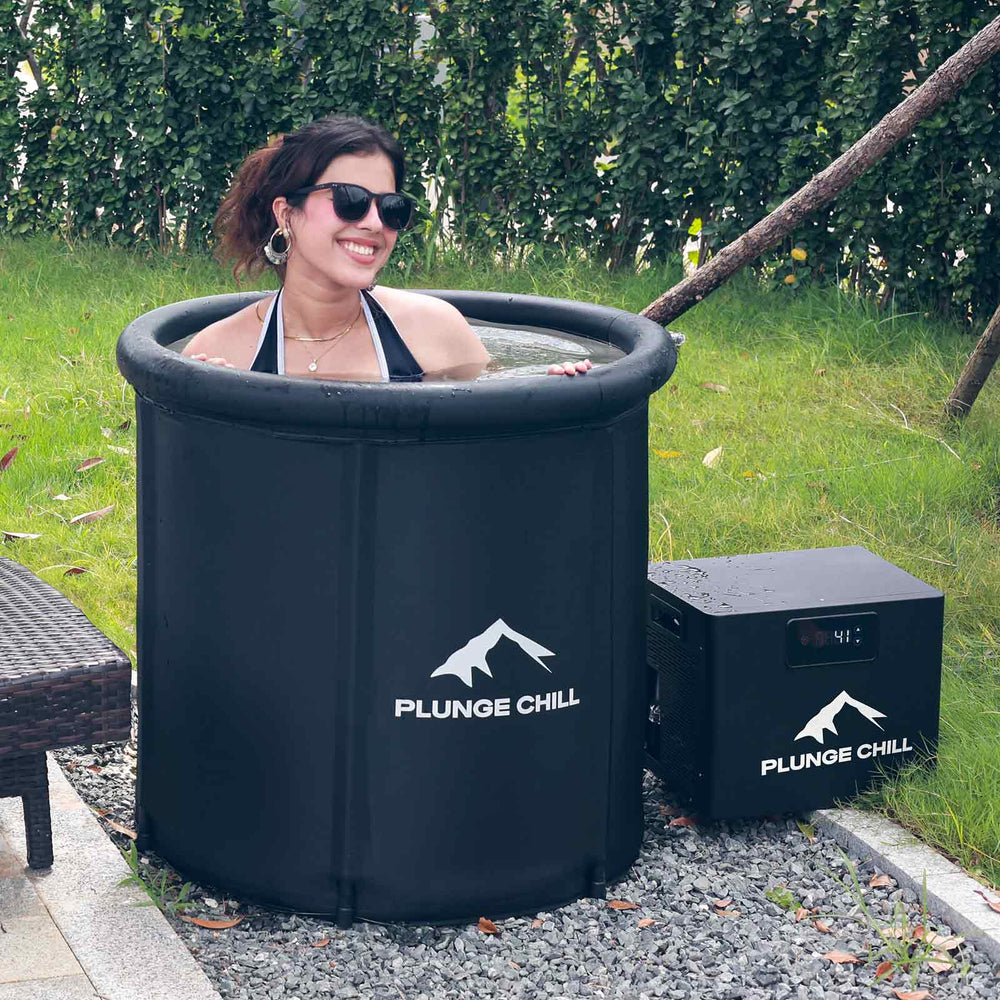
From a product‑review standpoint, the key question is not “Which is better?” but “Which is better for a specific person, goal, and context?” The table below contrasts natural Alpine lakes with home or spa cold plunge systems using themes drawn from Cleveland Clinic, Hydroworx, Sun Home Saunas, Impact Physical Therapy, and various retreat and spa case studies.
Aspect |
Swiss Alpine ice lake |
Home or spa cold plunge tub |
Temperature control |
Highly variable, often near freezing in colder months; no precise control; conditions can change with weather and inflows. |
Precisely adjustable, commonly kept around 50–59°F for general wellness; can be monitored with thermometers and automated systems. |
Safety profile |
Higher risk of cold shock, hypothermia, and drowning; access and exit may be challenging; rewarming may require hiking back to shelter. |
Lower, though not zero, risk; easy entry and exit; rewarming amenities close by; easier to follow evidence‑based time and temperature protocols. |
Sensory and psychological experience |
Powerful connection to nature, dramatic scenery, strong sense of accomplishment; social and ritual elements can be profound. |
Controlled and repeatable; easier to focus on breathwork, intention, and specific protocols; can still be shared socially in facilities or at home. |
Suitability for beginners |
Generally unsuitable for true beginners; better reserved for individuals with prior cold exposure under guidance. |
Well suited to gradual progression, including people just starting cold therapy, under appropriate medical and coaching supervision. |
Use in rehab and structured programs |
Harder to standardize dosage; more susceptible to environmental disruptions; best viewed as an occasional, advanced option. |
Ideal for structured rehabilitation and performance protocols where temperature, duration, and frequency must be tightly controlled. |
In my own practice, I treat the Swiss ice lake as a “top‑shelf experience” rather than a daily tool. For building long‑term habits, adjusting protocols, and supporting injury rehabilitation, a well‑designed cold plunge system or even a standard bathtub with a thermometer and ice is far more practical and safer. The lake becomes a meaningful ritual layered on top of that foundation, not a replacement for it.
Designing A Swiss Ice Lake Retreat For Wellness
Retreat and spa literature from Foothills Conference Centre, Aro Ha, and Siam Ice Bath offers a useful template for structuring cold‑focused experiences, even though those examples come from different geographies. Successful programs share themes: education, safety, gentle progression, and integration with breathwork, movement, and reflection rather than back‑to‑back “suffer fests.”
Applied to a Swiss Alpine context, a well‑designed wellness retreat using ice lakes would start with theory and screening before anyone touches cold water. Participants would learn how cold affects blood flow, the autonomic nervous system, and hormones, drawing on the kind of explanations provided by Generations Health and Wellness, Stanford Lifestyle Medicine, and Mayo Clinic Press. Facilitators would explicitly discuss risks, contraindications, and the difference between water in the 50–59°F range studied in most trials and near‑freezing lakes.
A typical day might begin with gentle movement and breathwork, then a short educational block, followed by a single, brief lake immersion late morning under close supervision. The afternoon would emphasize warm meals, rest, journaling, and perhaps indoor contrast therapy (such as hot–cold showers or tubs) rather than another outdoor plunge. This mirrors retreat schedules described by Foothills Conference Centre and Aro Ha, which alternate intense cold sessions with recovery and reflection.
From a numbers standpoint, imagine a three‑day Alpine retreat where each participant does one short lake immersion per day of about twenty to forty seconds in near‑freezing water, plus one to two controlled indoor sessions at milder temperatures. Total time in extreme cold water might be under two minutes per day, yet the subjective impact is still significant. That dosage aligns much more closely with the safety principles laid out by Impact Physical Therapy, Healthline, and Cleveland Clinic than the unstructured “stay as long as you can” challenges sometimes seen online.

Short FAQ
Q: Is plunging into a Swiss ice lake more beneficial than using a 50–59°F cold plunge tub?
A: For most people, no. The strongest research on recovery and mood involves water roughly in the 50–59°F range for short periods. Near‑freezing Alpine water is far more stressful and risk‑laden but not clearly more effective. A well‑controlled tub allows you to hit evidence‑based temperatures and durations consistently. An ice lake adds a powerful psychological and aesthetic layer, which can be valuable, but it should be treated as an advanced experience rather than the baseline tool.
Q: How often should I use an ice lake during a one‑week Swiss training or wellness trip?
A: For a healthy, screened individual with prior cold exposure, two or three very brief, supervised immersions across the week is plenty. On other days, milder options such as cool showers or a hotel plunge tub at 50–59°F can provide similar benefits with lower risk. Daily lake plunges in near‑freezing water are unnecessary and potentially dangerous, especially when combined with high training loads and altitude.
Q: Can cold immersion in Swiss lakes replace physical therapy or mental health treatment?
A: No. Across sources including Mayo Clinic Press, Psychiatry and Psychotherapy PLLC, and Stanford Lifestyle Medicine, experts are clear that cold exposure is a complementary practice. It can support recovery, mood, and resilience, but it does not replace structured rehabilitation, strength and conditioning plans, or evidence‑based mental health care. If you are dealing with significant injury, chronic pain, depression, or anxiety, cold immersion in any setting should sit alongside—not instead of—professional treatment.
In the end, the ice lakes of the Swiss Alps are a remarkable setting for cold water therapy, but the water does not rewrite the physiology. The same rules apply: understand the science, respect the risks, match the protocol to your goals, and treat the lake as one potent tool among many in a well‑designed training and wellness program. As a coach and rehab specialist, I am far more impressed by athletes and travelers who use cold wisely and consistently than by those who simply stay in the water the longest.
References
- https://cupola.gettysburg.edu/cgi/viewcontent.cgi?article=2078&context=student_scholarship
- https://lifestylemedicine.stanford.edu/jumping-into-the-ice-bath-trend-mental-health-benefits-of-cold-water-immersion/
- https://pmc.ncbi.nlm.nih.gov/articles/PMC11872954/
- https://health.clevelandclinic.org/what-to-know-about-cold-plunges
- https://mcpress.mayoclinic.org/healthy-aging/the-science-behind-ice-baths-for-recovery/
- https://www.health.com/ice-baths-8404207
- https://www.aro-ha.com/journal/the-power-of-repeated-rituals-ice-baths
- https://www.calm.com/blog/ice-bath-benefits
- https://foothillsconferencecentre.com.au/how-to-plan-a-successful-ice-bath-retreat/
- https://explore-mag.com/cold-water-therapy-benefits-dangers-and-how-to-do-it-safely/