As a sports rehabilitation specialist and strength coach who also tests cold plunge products in the field, I’m routinely asked a deceptively simple question: which is better for weight loss, ice baths or intermittent fasting? The honest, evidence-based answer is that they work on different levers. Intermittent fasting primarily changes energy intake behavior, while ice baths manipulate energy expenditure and metabolic signaling during and shortly after cold exposure. When you zoom in on data, both can support a weight‑loss effort, but neither replaces the fundamentals of a sustainable calorie deficit, adequate protein, and regular training. Below I compare mechanisms, outcomes, and real‑world practicality, drawing on clinical research summaries from PubMed Central, Mayo Clinic Health System, Ohio State Wexner Medical Center, University of Utah Health, Healthline, Men’s Health, Rutgers University, and other reputable sources in recovery and performance.
What Exactly Are We Comparing?
Ice baths, also called cold plunges or cold‑water immersion, mean deliberate exposure to cold water, most commonly around 50–59°F, for a few minutes at a time. In practice, beginners start at the warmer end of that range and build tolerance over repeated, brief exposures. In training rooms and home setups I evaluate, athletes typically accumulate a total of about 11 minutes per week across a few sessions, a pattern echoed by summaries from University of Utah Health. While people also plunge for recovery or mood, the weight‑loss pitch centers on thermogenesis—your body burning fuel to rewarm to about 98.6°F—and activation of brown adipose tissue (BAT).
Intermittent fasting refers to structuring when you eat rather than what you eat, with the practical effect of consolidating meals into a shorter eating window. Because body weight ultimately reflects the balance of energy intake and energy expenditure, narrowing the window can make it easier for some people to eat fewer total calories. Men’s Health quotes this bluntly: calories in versus calories out still decides the outcome. That is a crucial lens for comparing fasting to cold exposure, and it aligns with cold‑exposure articles that repeatedly return to energy balance rather than metabolic loopholes.
How Cold Exposure Affects Energy, Fat, and Metabolism
The most consistent finding across cold exposure literature is that repeated cold bouts raise cold‑stimulated energy expenditure and increase BAT activity. A narrative review in PubMed Central highlights that intermittent cold exposure reliably activates BAT and can “beige” portions of white fat, pushing it toward a more thermogenic profile. In human studies, these changes show up as higher energy use during cold exposure itself and larger BAT volume or activity in imaging. On the scale, however, the picture is mixed. Several human trials show little to no change in body weight across weeks of exposure, though a reduction in waist circumference in men has been reported in a military cohort using cold water immersion and cold showers. Rodent data, by contrast, are stronger but less directly translatable, often using very cold air for hours per day.
Calorie burn during cold matters, but it tends to be modest in isolation. One study summarized by industry reporting observed that wearing a cold suit for three hours burned roughly 250 calories—around 80 calories per hour—without full immersion. Cold water immersion increases thermogenesis more than chilled air at the same temperature because water conducts heat away faster than air. In the lab and in my own testing, the rewarming period after a plunge is when people most notice hunger, which brings up the crucial issue of compensation.
Appetite Compensation: The Hidden Headwind
A Physiology & Behavior study reported in Men’s Health compared 30 minutes in cold water at about 60.8°F against warm water and thermoneutral air, then measured ad libitum intake at a pasta meal. Cold exposure raised energy expenditure by approximately 21 calories versus warm water, but participants ate roughly 231 extra calories afterward. That gap dwarfs the acute energy burn from the plunge. Separate reporting also notes inflammatory spikes immediately and one hour after the plunge—another reason to avoid turning the practice into a high‑frequency habit with the expectation of direct fat loss.
Appetite compensation does not negate every benefit of cold exposure. It does mean that for weight loss, you have to finesse nutrition timing after a plunge instead of trusting cold to do the work. In my programs, clients who cold plunge and want fat loss minimize large post‑plunge meals by planning higher‑fiber, higher‑protein options and fluids before they get seriously hungry.
Cold Exposure and Insulin Sensitivity
Cold plunges may improve insulin sensitivity, particularly in people with insulin resistance, according to medical center summaries and reviews. Multiple human studies show increased BAT glucose uptake during cold and modest improvements in glucose handling, even when body weight remains unchanged. The strongest takeaways are improvements in cold‑stimulated metabolism and potential glycemic regulation, not guaranteed fat loss. These signals are promising for metabolic health but should be regarded as adjunctive, not a replacement for diet, activity, and sleep.
Training Interactions: Hypertrophy Trade‑offs and Recovery
Cold immersion has context‑dependent effects on training. Athletic recovery summaries from Ohio State Wexner Medical Center and Mayo Clinic Health System highlight that cold immersion can reduce soreness after endurance sessions or tournaments, but it may blunt strength and hypertrophy signaling if used immediately after lifting. A 2015 Journal of Physiology paper and a 2014 Journal of Strength & Conditioning Research study both point to reduced long‑term strength and muscle growth with routine post‑lift immersion. Meta‑analytic work shows small immediate benefits for soreness and selected biomarkers, but no consistent improvements in objective power outputs beyond the short term. Practically, when muscle size and strength are priorities, I keep cold plunges away from the post‑lift window—ideally separated by a day or at least many hours—while allowing liberal use after endurance‑style training blocks or congested competition schedules.
Intermittent Fasting Through the Energy‑Balance Lens
Within the scope of the sources here, the most defensible statement about intermittent fasting and weight loss is that it works for some people because it can help reduce total energy intake. By reducing eating opportunities, many find it simpler to maintain a calorie deficit without constant, onerous tracking. That is not a metabolic hack; it is a behavioral structure that makes energy balance more manageable. It can improve weight control when it supports consistent, slightly lower daily calorie intake, adequate protein, and quality food choices during the eating window. It can also fail if hunger leads to overeating once the window opens. The same compensation problem that shows up after cold exposure can appear after fasting if the plan does not include deliberate strategies for protein, fiber, fluids, and meal timing.
As a coach, I pair intermittent fasting with resistance training, daily movement, and protein targets rather than using it alone. Clients who do best choose a fasting schedule that fits their life—workday demands, family meals, and training times—so they are not white‑knuckling hunger and then overconsuming later.
Head‑to‑Head Comparison for Weight Loss
Dimension |
Ice Baths (Cold Plunge) |
Intermittent Fasting |
Primary lever |
Increases cold‑stimulated energy expenditure and BAT activity during and shortly after exposure |
Reduces opportunities to eat; supports lower total daily energy intake for some people |
Evidence for fat loss |
Human weight change is inconsistent; some waist reductions in men, many “no change” findings |
Works when the eating window helps sustain a calorie deficit; still governed by calories in versus calories out |
Appetite effect |
Often increases hunger post‑plunge; a study showed approximately 231 extra calories eaten after a 30‑minute cold bath vs about 21 calories extra burned |
Can lower or raise hunger depending on schedule and food quality; risk of overeating when the window opens without planning |
Metabolic signals |
Improves cold‑stimulated glucose uptake and insulin sensitivity signals in some; increases BAT activity |
Mechanism here is primarily dietary behavior; benefits reflect achieving and sustaining an energy deficit with adequate nutrition |
Training compatibility |
Useful after endurance or congested schedules; avoid immediately post‑lift to protect hypertrophy and strength |
Easy to align with lifting if meals are timed for protein before/after; challenging if fasting window conflicts with training |
Risks and cautions |
Cold shock, blood pressure spikes, hypothermia risk; higher caution with cardiovascular disease, neuropathy, Raynaud’s, uncontrolled hypertension; use supervision and safe setups |
Hunger, energy dips if poorly planned; not a good fit for everyone; medical guidance advised for specific conditions |
Cost and logistics |
Options range from about $50 pop‑up tubs to several‑thousand‑dollar units; high‑end systems can reach $20,000; needs temperature control and sanitation |
No equipment needed; requires planning meals and training around the eating window |
Best use case |
Recovery adjunct and metabolic nudge; mood/resilience tool when used judiciously; can complement a weight‑loss plan with appetite management |
Primary weight‑loss framework if it makes calorie control and adherence easier without impairing training or recovery |

Protocols I Use in the Field
For cold plunges with a weight‑loss goal, I set expectations first: the plunge is not the driver, it is the garnish. The practical target is brief exposures in the 50–59°F range, accumulating roughly 11 minutes per week across two to four sessions. Beginners often start with 30–60 seconds to learn controlled breathing and then add short increments over weeks, staying well under 10–15 minutes per session. When weight loss is a focus, I apply the Soeberg principle frequently cited in the cold‑exposure community: resist external heat for a while after you get out so your body warms naturally. In my experience this extends the thermogenic window and helps adherence, but it also raises post‑plunge hunger for many people, so we plan a protein‑and‑fiber‑forward meal or snack rather than raiding the pantry.
If a client is lifting for hypertrophy or chasing a strength PR cycle, I separate cold plunges from the lifting session by 24–48 hours, echoing guidance summarized by Ohio State Wexner Medical Center and Mayo Clinic Health System. On the other hand, in endurance blocks or tournament weekends, we will plunge within an hour of the session to reduce soreness and turn the athlete around faster. For general fitness clients, short cold showers can fill the gap when a tub isn’t available, with the understanding that the stimulus is less uniform than full‑body immersion.
For intermittent fasting, I prioritize fit to lifestyle. Early‑window schedules can pair nicely with morning training if the last meal includes sufficient protein and calories; later windows can suit late‑day lifters and social dinners. The common denominator is straightforward: whichever window consistently keeps daily calories slightly below maintenance without compromising protein, sleep, or training quality is the right one. When clients struggle with intense hunger and overeat at the first meal, I either shorten the fast or rebuild the meal plan to front‑load protein, fiber, and fluids.
Buying and Care Tips for Cold Plunge Tubs
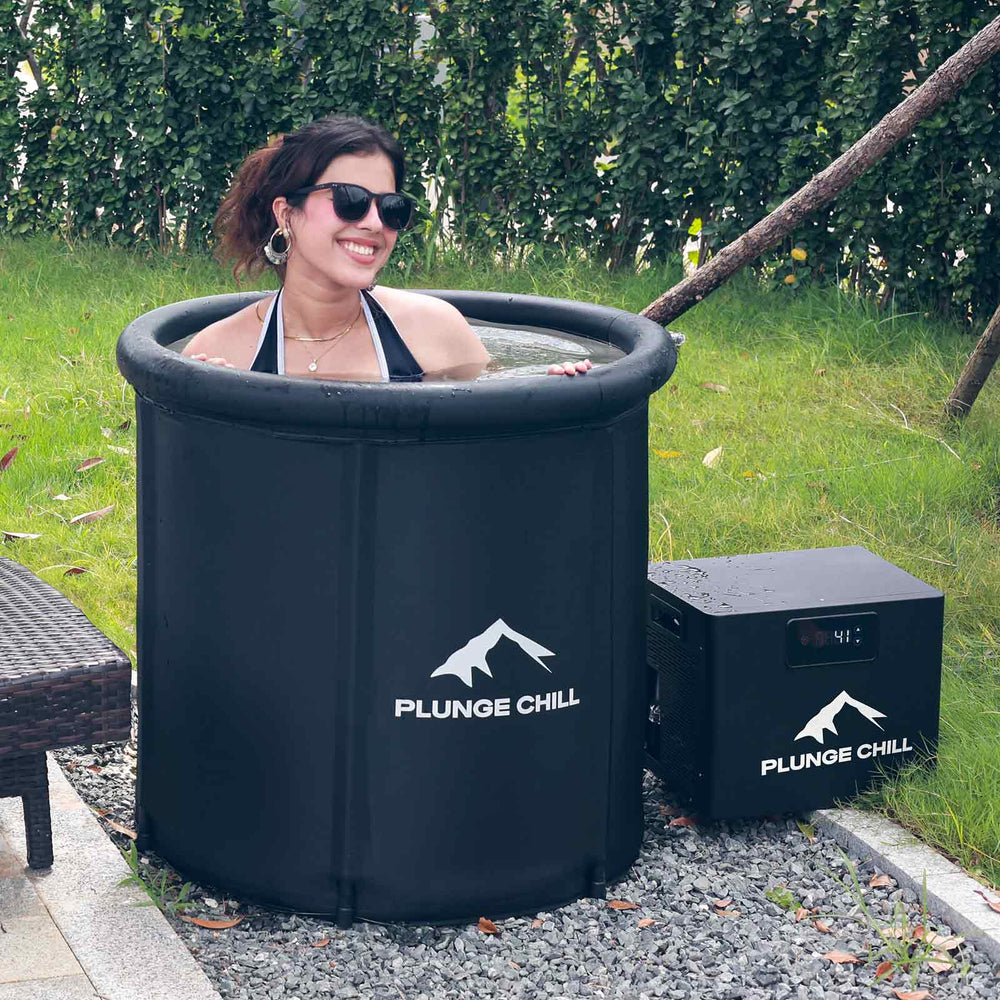
Choosing the right cold plunge setup matters as much as the protocol. If you’re testing the waters, a basic pop‑up tub or stock tank plus bags of ice can land under about $100 before ice costs. At the high end, turnkey systems with chillers, filtration, ozone sanitation, and precise temperature control cost several thousand dollars, and premium wellness tanks can reach $20,000 according to Mayo Clinic Health System. Precision matters, so look for a reliable thermometer and consider a chiller when you want consistent 50–59°F sessions regardless of season.
Sanitation and safety are not optional. Units with ozone or UV, replaceable filters, and easy‑to‑clean surfaces reduce the hassle of keeping water clear over weeks. If you are using a simple barrel or stock tank, change and clean on a regular cadence; industry guidance often targets water replacement roughly every four weeks, but that depends on usage and filtration. Add a slip‑resistant mat because footing is poor with cold‑numbed feet; several wellness brands call this out specifically. Volume matters for ice planning as well: one popular barrel holds about 105 gallons; filling to three‑quarters and adding one to two bags of crushed ice is a common recipe for short dips, though you’ll need more ice in warm climates or summer garages. If you train or plunge outdoors, avoid open‑water currents entirely and stay clear of unstable surfaces or iced‑over edges.
From a usability standpoint, insulation and a cover save both money and effort. The best home units I test are quiet, maintain set temperature during back‑to‑back family sessions, and drain quickly for cleaning. They also use GFCI outlets and have clear instructions for seasonal maintenance. A chiller with a simple Wi‑Fi controller is a convenience, not a necessity, but it makes adherence easier when you can set and forget temperature and filtration cycles.
Safety First: Who Should Not Cold Plunge
Cold is a powerful stimulus. Stepping into water near 50°F triggers an involuntary gasp reflex and a spike in blood pressure and breathing. Medical center guidance repeatedly calls out higher risk for people with cardiovascular disease, uncontrolled hypertension, peripheral neuropathy, Raynaud’s phenomenon, respiratory compromise, or open wounds and infections. If that’s you, talk with a clinician first. Even for healthy people, cold plunging can be unsafe without basic precautions. Use controlled settings, have another person nearby, keep sessions brief, avoid alcohol, and rewarm gradually afterward with dry layers, light movement, and warm, non‑caffeinated drinks. Hypothermia risk rises quickly in open water and cold air, especially around freezing conditions, and the combination of numbness and slippery surfaces raises the risk of falls. When in doubt, scale down the cold, shorten the time, and build up only when your technique and breathing stay under control.
Myths and Realistic Expectations
Cold exposure is not a fat‑burning hack. Across multiple summaries, it increases energy expenditure during exposure and improves cold‑stimulated metabolism, but on the bathroom scale, body weight usually stays the same unless you control energy intake. Appetite compensation is a real headwind, evidenced by the pasta meal study after a 30‑minute cold bath. Mental benefits such as alertness and improved mood are commonly reported and plausible; Rutgers University notes a mixed evidence base and the possibility of placebo effects, while Mayo Clinic Health System points to potential improvements in soreness and cognitive function. Use cold plunges for what they do well: a sustainable recovery habit that may make the rest of your healthy routine easier to execute. Then have your nutrition plan do the heavy lifting.
Intermittent fasting is not magic either. It works when it helps you maintain an energy deficit with foods and a schedule you can live with. Some people hit stride by eating earlier in the day and sleeping better; others prefer late windows to support family dinners or evening training. If the plan leaves you ravenous and overeating, change the window or try a different approach. The method is only as good as your ability to execute it consistently.

A Short FAQ
Can an ice bath replace controlling calories for fat loss?
No. Men’s Health puts it plainly: energy balance still rules. Cold exposure raises energy expenditure during the session and can improve metabolic markers, but human weight change is inconsistent and appetite tends to rise afterward. Treat the plunge as an adjunct and plan meals so you do not overcompensate.
I lift for muscle growth; can I still plunge?
Yes, with timing. Recovery summaries from Ohio State Wexner Medical Center and Mayo Clinic Health System caution that regular post‑lift plunging can blunt hypertrophy and strength. In my programs, lifters either skip plunges on heavy days or separate them by 24–48 hours. For endurance blocks or back‑to‑back competitions, plunges right after sessions can be helpful.
What’s a simple starter protocol and setup?
Aim for short, controlled exposures in the 50–59°F range, accumulating about 11 minutes per week across a few sessions. Start with 30–60 seconds, build gradually, and learn steady breathing. At home, a basic tub and ice can work while you evaluate whether a chiller, filtration, and insulation are worth the investment. Keep surfaces non‑slip and prioritize sanitation.
Final Thoughts
If the goal is weight loss, intermittent fasting acts on the intake side of the ledger and can be a primary strategy if it makes eating less feel easier. Ice baths act on the expenditure side during exposure and on recovery, resilience, and metabolic signaling; they are a valuable complement when used judiciously, not a standalone solution. The combination I rely on most in practice is straightforward: choose an eating schedule that sustains a modest calorie deficit with protein‑forward meals, train consistently, sleep well, and layer in brief, well‑timed cold exposures with prudent equipment and safety. Done that way, you harness the best of both worlds without kidding yourself about what moves the needle.
References
Mayo Clinic Health System; Ohio State Wexner Medical Center; PubMed Central; University of Utah Health; Healthline; Men’s Health; Rutgers University; Sports Medicine of the Rockies; Ice Barrel; Kula Recovery; Wired.
- https://www.mcphs.edu/news/physical-therapist-explains-why-you-should-chill-out-on-ice-baths
- https://www.rutgers.edu/news/what-are-benefits-cold-plunge-trend
- https://pmc.ncbi.nlm.nih.gov/articles/PMC10778965/
- https://health.osu.edu/wellness/exercise-and-nutrition/do-ice-baths-help-workout-recovery
- https://healthcare.utah.edu/the-scope/mens-health/all/2024/04/171-cold-hard-facts-about-cold-plunging
- https://today.wayne.edu/news/2021/03/22/is-cold-water-swimming-good-for-you-41963
- https://mcpress.mayoclinic.org/healthy-aging/the-science-behind-ice-baths-for-recovery/
- https://www.mayoclinichealthsystem.org/hometown-health/speaking-of-health/cold-plunge-after-workouts
- https://www.compound.co/journal/ice-bath
- https://www.healthline.com/health-news/can-ice-baths-help-you-burn-body-fat-new-research-says-yes