As a sports rehabilitation specialist and strength coach who also evaluates cold‑plunge products, I see two recurring needs in marathoners: reduce next‑day soreness so training stays consistent, and avoid interventions that blunt long‑term fitness gains. Ice baths sit right at that crossroads. Cold‑water immersion can help you feel and perform better on turnaround days, especially during heavy mileage or race windows, but it is not a cure‑all and it can conflict with strength and adaptation goals if misused. This guide brings the research into practical context for distance runners and offers protocol, safety, and buying advice grounded in real‑world training.
What Cold‑Water Immersion Actually Does for Runners
An ice bath is deliberate immersion of the body in cold water after hard efforts. For most runners, that means submerging legs to the hips or chest in water that’s typically between 50°F and 59°F for a short period. Cold constricts blood vessels and lowers tissue temperature, which can decrease swelling and pain signals after impact‑heavy sessions. When you rewarm, vessels dilate and circulation rebounds, supporting nutrient delivery. Hydrostatic pressure from the water itself also adds a gentle compression effect that cold‑air cryotherapy chambers do not provide, which matters when lower legs feel heavy after long runs (Ice Barrel training content; Mayo Clinic Health System).
The perceived benefits are familiar to many distance athletes: less next‑day soreness and “dead legs,” better readiness for the next run, and sometimes improved sleep when full‑body exposure is used (Marathon Handbook; Ohio State Health). Mechanistically, reduced tissue temperature and altered blood flow underpin these effects (Runner’s World report on practitioner survey). That said, the research is mixed, and how you dose cold exposure relative to training goals is what predicts whether it helps or hinders.

Evidence at a Glance
Endurance athletes frequently report subjective improvements in soreness and readiness after cold immersion. Some laboratory and field research supports reduced indices of muscle damage and better next‑day performance when water is held near 50–59°F for about 10–15 minutes (Ohio State Health; SportsMed Rockies). Observational work with athletes and practitioners shows most users believe it helps, but many do not follow the time and temperature that appear most effective, which may explain underwhelming outcomes in some settings (Runner’s World).
Several cautions are also well‑documented. Frequent post‑exercise cold immersion can dampen strength and hypertrophy signaling and slow muscle protein synthesis over weeks of training, particularly when used immediately after lifting sessions (Journal of Physiology; Journal of Strength & Conditioning Research; Mayo Clinic Health System; Mayo Clinic Press). A university study using very cold 41°F water for 20 minutes after a damaging downhill run found no benefit for soreness or strength recovery in recreational men, suggesting that extreme cold and long exposures may not fit every endurance scenario (University of New Hampshire; European Journal of Applied Physiology). A clinical review likewise notes that water immersion and contrast bathing are widely used but large, high‑quality trials are limited and performance effects can vary; some designs even showed impaired short‑term cycling performance after cold (PMC clinical review).
Interpreting the disagreements comes down to definitions and methods. Endurance vs. strength goals, exact water temperature and duration, timing relative to training, the athlete’s training age, and whether protocols were actually followed all shift outcomes. Trials that emphasize adaptation to strength often see blunting with post‑lift cold. Studies using colder‑than‑typical water or very short cold exposures can miss the window where analgesic and anti‑inflammatory effects are strongest. In real training, endurance athletes tend to benefit when cold is targeted to the hardest days or when a quick turnaround is required, not as a daily reflex.
When Cold Helps and When It Hurts
Cold immersion helps most when you need to be able to run well again soon. After a marathon or the most demanding long runs and interval sessions, moving tissues out of an inflamed state and tamping down pain can preserve training quality and reduce the chance that compensations become injuries. Post‑race, vasodilation often persists; constriction from cold can reduce excessive pooling and help prevent near‑syncope in the hour after finishing, then the rewarming phase supports circulation thereafter (Ice Barrel citing a 2017 marathoner study; American Journal of Sports Medicine on temperature and muscle blood flow). During mid‑week high‑intensity work and in race week, many distance runners find that a well‑timed 10–15 minute immersion at 50–59°F helps them arrive at the next session feeling more springy.
Cold can hurt progress when it is used reflexively after every session in phases where you want maximum adaptation to training stress. If you are building strength, power, or running economy with heavy resistance training or hill sprints, the repeated inflammatory signaling is part of how tissues remodel. In those windows, it is better to avoid immediate post‑lift ice baths for at least a day to allow that signaling to run its course (Ohio State Health; Mayo Clinic Health System; Journal of Physiology). A strong compromise is to shift cold to the days when metabolic fatigue or joint stress is highest and leave strength days alone.
Acute injuries remain a separate use case. For sprains and strains that are swollen and painful, short bouts near 50–59°F remain reasonable for symptom control in the first day or two, with medical guidance.

How Cold, How Long, How Often
Across sources, a practical center of gravity for endurance runners emerges: 50–59°F water for 10–15 minutes, used selectively. A Runner’s World‑reported survey showed many athletes go too cold for too short, which may undercut results. The typical frequency that works for marathoners is two to four immersions per week during heavy training, adjusting up or down with load and how you feel (C11 Recovery suggests two to four; Lumi Therapy suggests one to three). During base phases, hold back; during blocks with stacked quality sessions or during race‑specific sharpening, use cold more frequently to prioritize session quality (McMillan Running).
Here is a consolidated protocol guide matched to common marathoner scenarios.
Scenario |
Water temperature |
Time in water |
Frequency |
Timing notes |
Post‑marathon or hardest long run |
50–57°F |
10–15 minutes |
One session day‑of; an optional second short bout next morning if needed |
Walk and rehydrate first, then immerse within about an hour; keep torso warm; rewarm gradually afterward (Runner’s World; Ice Barrel) |
Back‑to‑back quality days or race week |
50–57°F |
8–12 minutes |
Two to four times per week as needed |
Use after key workouts when next‑day quality matters; avoid immediately after heavy lifts (C11 Recovery; McMillan Running; Mayo Clinic Health System) |
Strength or hypertrophy emphasis |
Avoid within 24–48 hours post‑lift |
— |
— |
Cold can blunt muscle signaling and growth; delay to rest days or skip entirely (Journal of Physiology; Journal of Strength & Conditioning Research) |
General maintenance in heavy mileage |
50–59°F |
10–12 minutes |
One to three times per week |
Adjust based on soreness and sleep; keep a log to refine dose (C11 Recovery; Lumi Therapy) |
Acute sprain/strain swelling |
50–59°F |
10–15 minutes |
Short‑term, per clinical advice |
Use for pain and swelling early on; always follow medical guidance |
Cold showers are a decent fallback when a plunge is not available, but they are less uniform and less effective for core cooling; they can still improve perceived recovery and later heart‑rate measures compared with control in some designs, so they are worth using for mental refresh and mild analgesia (Ohio State Health; Science for Sport overview of cold‑shower study).
From Finish Line to Warm Socks: A Practical Session
Right after a marathon or punishing workout, keep moving for a short cooldown to normalize circulation. Hydrate, get into dry clothes for the upper body, and if you tolerate it, begin your cold immersion within the first hour. I have athletes set the water in the low‑to‑mid 50s°F, sit with legs and hips submerged, and focus on slow, deep breathing through the nose. Avoid breath holds and hyperventilation; aim for calm, steady cycles until the cold bite levels off. If feet are your limiting factor, neoprene socks can make sessions tolerable while you keep target tissues underwater.
Step out before intense shivering ramps up. Dry off, dress in warm layers, and walk around to rewarm. A lukewarm shower later is helpful, but avoid a very hot shower right away because skin sensation can be altered and an abrupt temperature jump can provoke lightheadedness. Refuel with carbohydrate and protein if the session follows training. Before the day ends, jot down water temperature, time in the tub, how you felt during the next session, and any sleep changes. After a few weeks, this log makes your dose‑response obvious (C11 Recovery).
Personalization That Most Plans Miss
One factor that rarely makes it into generic advice is that smaller, leaner athletes cool faster than larger athletes with more body mass or body fat. In practice, a very lean 120‑lb runner can often get the desired effect at the higher end of the endurance range and for shorter durations, while a 190‑lb runner may need a couple of additional minutes or slightly cooler water to achieve comparable tissue cooling. Published work summarized for practitioners indicates body composition and surface area meaningfully change cooling rates, which should guide individualized dosing (Science for Sport).
Another pattern I emphasize in high‑volume training blocks is that cold can protect session quality as density rises. In team‑sport data with stacked weekly workloads, 10 minutes at about 50°F after training reduced soreness and attenuated declines in jump performance across weeks compared with controls. That is not the same as marathon training, but it helps explain why distance runners with two demanding workouts in 24–36 hours often report better legs with targeted cold (Science for Sport summary of elite rugby and volleyball data).
A third nuance is the finish‑line physiology. Post‑race vasodilation can linger and progress toward cardiovascular instability in some marathoners. Applying cold immersion briefly in that window offers more than soreness relief; it can stabilize vascular tone while you begin recovery, which helps explain why runners often feel steadier after a controlled plunge rather than passive sitting immediately after finishing (Ice Barrel citing a 2017 study; American Journal of Sports Medicine on temperature‑dependent muscle blood flow).
Safety, Contraindications, and Red Flags
Cold shock is real. Entering cold water can trigger a gasp reflex and rapid breathing, plus spikes in heart rate and blood pressure. People with cardiovascular disease, uncontrolled hypertension, Raynaud’s phenomenon, diabetes, neuropathies, or pregnancy should get medical clearance before trying a plunge. Avoid alcohol beforehand. Never train breath holds in cold water, and do not plunge alone, especially outdoors. Frostbite and hypothermia are risks with prolonged exposure or open water; a home tub between 50°F and 59°F for a few minutes is a safer choice than rivers or lakes with currents (Mayo Clinic Health System; Mayo Clinic Press; C11 Recovery).
Exposure does not need to be daily to be useful, and making it a daily ritual after training can compromise long‑term performance improvements for some athletes. Aim to reserve post‑effort cold for the hardest sessions or when you need a quick turnaround, and skip it on days when the goal is adaptation (Mayo Clinic Health System; Ohio State Health).
Choosing and Caring for a Cold Plunge
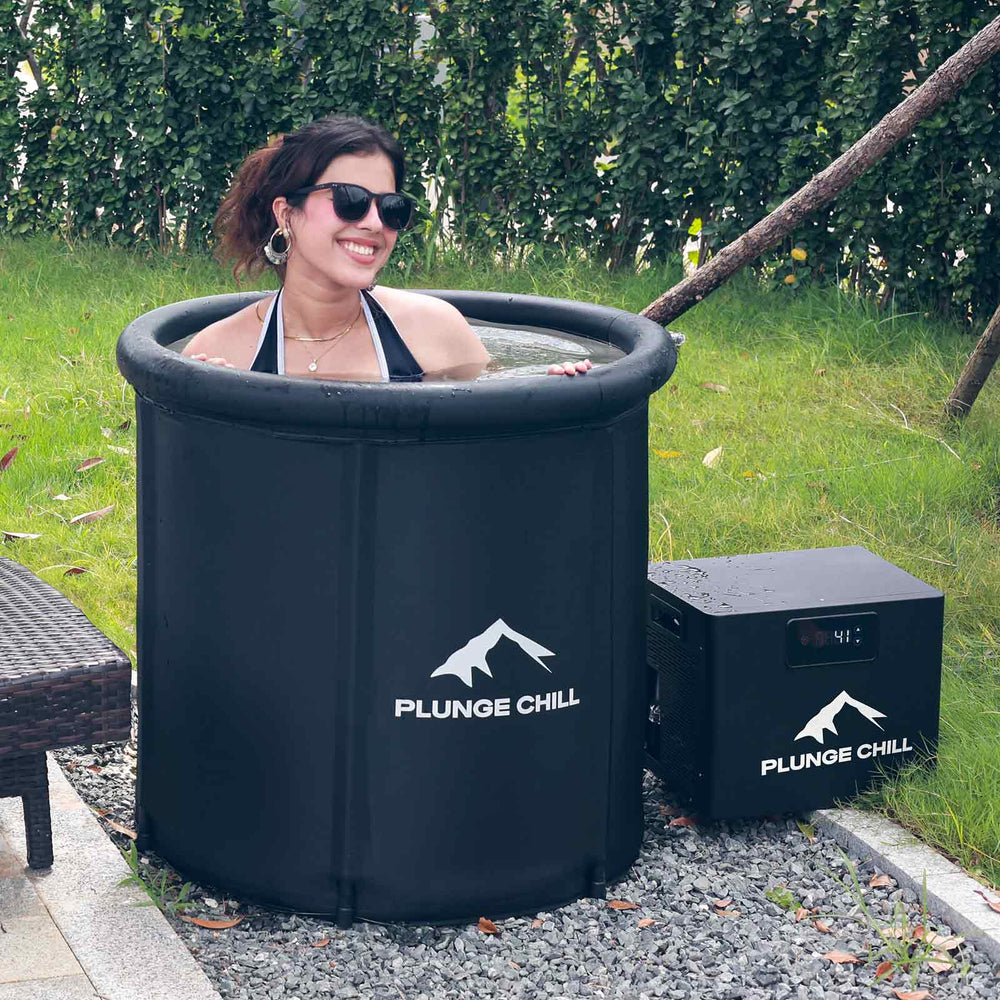
Most runners start with an improvised solution: a bathtub filled with cold tap water and a few bags of ice. This is fine for occasional use, but temperature control is inconsistent and buying ice is inconvenient. Purpose‑built systems pair a tub with an integrated chiller that maintains an exact set temperature, circulates and filters water for hygiene, and eliminates recurring ice purchases. Those features improve repeatability, adherence, and cleanliness while lowering running costs over time compared with hauling ice (C11 Recovery).
When I review products, I look for precise temperature stability, flow‑through filtration, footprint to fit an apartment or garage, energy efficiency, and noise levels, plus enough depth to submerge hips. Examples cited in industry guidance include pro‑grade systems with tight temperature control for larger athletes, compact units for smaller footprints, and portable models suited to events or gyms. Brands like Avantopool market lines that fit those categories (Kinos, Hanki, Kide), while Renu Therapy highlights deeper tubs—nearly three feet—to allow taller runners to achieve full immersion without awkward positioning (C11 Recovery; Renu Therapy). For care, follow the manufacturer’s sanitation protocol, keep a dedicated thermometer in the water, and commit to a simple logging routine so you can repeat what works and spot when water or filters need attention.
A Sample Week in Marathon Prep
Imagine a 55‑mile week with a long run on Sunday and a mid‑week interval session. After Sunday’s long run, you rehydrate, change your top layers, and take a 12‑minute immersion at 54–57°F to settle soreness and sleep well. Monday is easy running and strength; you skip cold that day to protect strength adaptations. Wednesday’s intervals prompt a shorter 10‑minute plunge in the mid‑50s°F within an hour, because Thursday needs to feel crisp. Friday includes strides and mobility without cold. Across the week, you keep notes on your perceived recovery and next‑day session quality. In race week you repeat the pattern but shorten immersions and avoid very cold exposures to prevent lingering numbness; most runners feel best keeping cold in the low‑to‑mid 50s°F, eight to ten minutes, two or three times that week, and not after any neural‑priming sessions.
Cold vs. Contrast vs. Cold Showers vs. Cryo
Contrast water therapy alternates hot and cold and can feel invigorating; some runners like it in peaking phases, but evidence is limited and does not consistently outperform straightforward cold immersion for recovery markers after exercise. Cold showers are a practical substitute when traveling and can deliver a mental reset and mild physiological benefit, but they are less uniform than a tub and do not provide hydrostatic pressure. Whole‑body cryotherapy chambers deliver cold air rather than water; they can reduce the sensation of soreness, but lack the compression and conductive cooling advantages of immersion. Those trade‑offs help explain why runners gravitate to water‑based options when recovery between sessions is the priority (Ice Barrel; Runner’s World; PMC clinical review).
Modality |
Key effect |
What it lacks |
Best use case |
Cold‑water immersion |
Strong conductive cooling plus water pressure; consistent dosing |
Requires tub access and setup |
Post‑marathon, long runs, and hard sessions when next‑day quality matters |
Contrast hot–cold |
Subjectively energizing, potential “pumping” sensation |
Evidence for superiority is limited |
Peaking phases when you want to feel sharp without going very cold |
Cold shower |
Convenient, travel‑friendly, useful for perceived refresh |
Less uniform cooling; no water pressure |
Light recovery days, heat adaptation cool‑downs, hotel scenarios |
Cryotherapy chamber |
Quick sessions, whole‑body air exposure |
No hydrostatic pressure; conductive cooling is lower |
Occasional alternative when water is not practical |
Takeaway
Cold‑water immersion is a tool, not a plan. Distance runners get the most from it by keeping water in the 50–59°F range, staying in for 10–15 minutes, and using it after the hardest sessions or in race‑specific blocks when session quality and rapid readiness matter. Skip immediate post‑lift cold if you are chasing strength or muscle‑tendon gains. Treat safety with respect, start conservatively, and individualize by body size and training density. If you want convenience and repeatable dosing, a chilled, filtered tub is easier to live with than bags of ice. Most of all, log time, temperature, and how you feel next day; your own data will make the protocol obvious.
FAQ
What temperature should I use for marathon recovery ice baths?
Most endurance protocols cluster between 50°F and 59°F for 10–15 minutes. That range balances analgesia and tolerance and is supported across several practitioner and academic sources, including Runner’s World, Ohio State Health, and SportsMed Rockies. Very cold water, like 41°F, is generally unnecessary and may not improve outcomes for runners.
How often should I take ice baths during a marathon build?
Two to four times per week during the heaviest weeks is a useful ceiling for many runners, with less during base phases. C11 Recovery suggests two to four weekly based on load and feel, while Lumi Therapy suggests one to three. The right answer depends on your training density and response; keep a log and scale up only when session quality demands it.
Should I jump into an ice bath immediately after finishing a marathon?
After you finish, walk until your circulation normalizes, rehydrate, and then use a controlled immersion within about an hour if you tolerate it. Post‑race vasodilation can persist, and cold can stabilize vascular tone while reducing soreness. Runner’s World and Ice Barrel content support early post‑race use with a limit of 10–15 minutes in the mid‑50s°F.
Do cold showers work as well as a tub?
Cold showers are a good fallback and can improve perceived recovery and later heart‑rate measures, but they are less uniform for tissue cooling and lack water’s hydrostatic pressure. Ohio State Health and Science for Sport summaries describe showers as helpful when a plunge is unavailable rather than a full substitute.
Will ice baths blunt my training gains?
They can if you use them immediately after strength or hypertrophy‑oriented work repeatedly over weeks. Studies reported in the Journal of Physiology and Journal of Strength & Conditioning Research found reduced muscle growth signaling with post‑lift cold immersion. For pure endurance, this effect appears less problematic, but the safest approach is to avoid cold right after heavy lifts and use it strategically after the hardest endurance sessions.
Do Epsom salts add recovery benefits to a cold bath?
Magnesium baths have a long folk history and some reports suggest transdermal bathing can raise blood magnesium, but scientific evidence is limited and inconsistent.
References Acknowledged in Text
C11 Recovery; Ohio State Health; Mayo Clinic Health System; Mayo Clinic Press; Runner’s World; Marathon Handbook; Science for Sport; PMC clinical review of water immersion and contrast therapy; SportsMed Rockies; McMillan Running; American Journal of Sports Medicine; University of New Hampshire research report; Ice Barrel training content; Renu Therapy product material.
References
- https://www.mcphs.edu/news/physical-therapist-explains-why-you-should-chill-out-on-ice-baths
- https://digitalcommons.pcom.edu/cgi/viewcontent.cgi?article=1556&context=pa_systematic_reviews
- https://www.marquette.edu/innovation/documents/arora_ice_bath_recovery.pdf
- https://sncs-prod-external.mayo.edu/hometown-health/speaking-of-health/cold-plunge-after-workouts
- https://pmc.ncbi.nlm.nih.gov/articles/PMC2938508/
- https://health.osu.edu/wellness/exercise-and-nutrition/do-ice-baths-help-workout-recovery
- https://www.unh.edu/unhtoday/news/release/2013/08/19/unh-research-post-run-ice-baths-not-beneficial-strength-soreness
- https://mcpress.mayoclinic.org/healthy-aging/the-science-behind-ice-baths-for-recovery/
- https://c11recovery.com/benefits-of-ice-baths-a-practical-guide-by-c11-recovery/
- https://marathonhandbook.com/ice-bath-benefits/