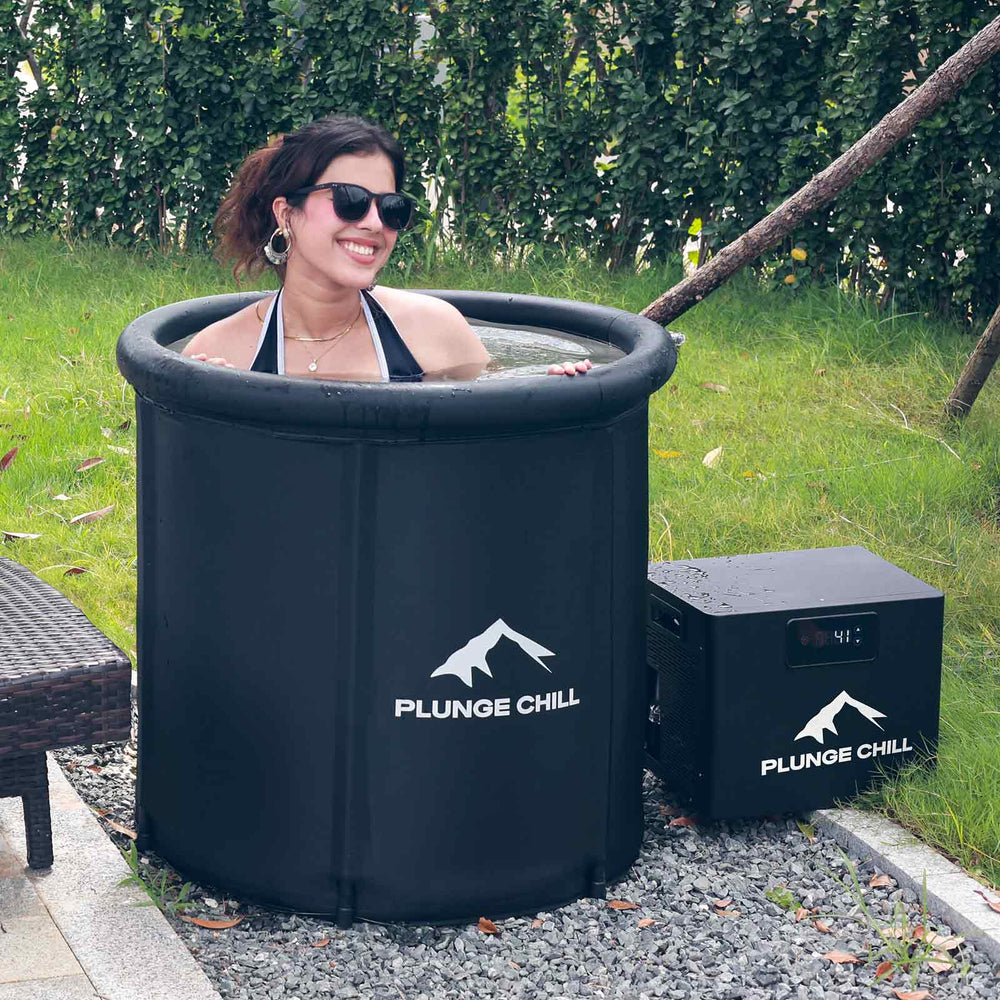
As a sports rehabilitation specialist and strength coach who also reviews cold plunge products, I’m often asked how to make ice baths feel less like a test of willpower and more like a reliable, restorative ritual. Relaxation in cold water is not about gritting your teeth; it’s about setting sensible targets for temperature and time, entering with a clear protocol, and using equipment and positioning that reduce physiological stress. The aim is a calm, controlled state in which the nervous system rebalances and the body leaves the bath feeling lighter, not rattled.
What “Relaxation” Really Means in an Ice Bath
When most people say they want to “relax” in an ice bath, they’re seeking an experience that quiets mental noise while easing the ache of training. Physiologically, two elements matter most. First is the shock phase: cold receptors in the skin trigger a surge in adrenaline and noradrenaline, breathing accelerates, and heart rate jumps. Second is the settling phase: with deliberate breath control and steady exposure, the initial spike abates and parasympathetic tone rises, which often feels like a centered, focused calm. Short-term changes in mood and alertness are commonly reported in both real-world use and lab studies from institutions such as Stanford Lifestyle Medicine and UW Medicine.
Mechanistically, the cold causes vasoconstriction, which reduces superficial blood flow and may limit swelling; upon rewarming, vessels dilate and circulation improves. For relaxation, your goal is to modulate the shock phase, shorten the time it takes to settle, and exit the bath before deep shivering or cognitive strain set in.

Evidence Snapshot, Explained Without Hype
Research on cold-water immersion shows repeatable short-term benefits and mixed long-term outcomes. Reviews and gym-based guidance converge on water in the 50–59°F range for tolerable recovery and mental lift, with safe immersion typically capped at about 15 minutes for healthy adults. Meta-analyses report immediate reductions in perceived soreness and fatigue after exercise and lower creatine kinase at around 24 hours, while effects on performance or systemic inflammation markers are inconsistent. Studies summarized by The Ohio State University and Fitness CF Gyms note that frequent post-lifting plunges can blunt muscle growth and strength adaptations; endurance phases appear less affected. Harvard Health highlights that heart rhythm problems, Raynaud’s, and peripheral artery disease raise risk, and that mood and immune claims remain inconclusive in pooled analyses.
For relaxation specifically, several wellness and product sources converge on slightly warmer targets than hardcore athletic recovery. Guidance compiled from Coldture and Pod Company places the comfort-forward zone around 55–59°F, with many new users preferring 60–68°F when the primary goal is mental ease rather than aggressive anti-inflammation. These warmer temperatures lower the “air hunger” of the first minute and help the body settle into steady breathing.
Differences across studies generally come down to how cold the water was, how long people stayed, whether sessions followed strength training, and who was being tested. College-age participants in a lab, competitive athletes between events, and adults new to open-water dips respond differently. It’s no surprise that conclusions diverge when the protocols do.

Ideal Temperature and Time When Relaxation Is the Goal
If your priority is to relax rather than to extract maximum anti-inflammatory effect, aim for a temperature that is “uncomfortably cool but controllable,” and let breathing, not bravado, set the pace. For most, that means starting near the high 50s and rarely needing to go lower than the low 50s.
Goal |
Water temp (°F) |
Typical time |
Notes |
Calm, mental reset |
55–59 |
3–8 minutes |
Easiest for breath control and settling the nervous system. |
Soreness relief after endurance work |
50–59 |
5–10 minutes |
Balance comfort with recovery; exit before strong shivering. |
Experienced “deep cold” users |
39–50 |
3–10 minutes |
Reserved for trained individuals; risk rises quickly as temps fall. |
Absolute upper bound for most |
— |
≤15 minutes |
Safety-focused ceiling cited across multiple sources. |
These ranges synthesize practical consensus from Coldture Wellness, Runner’s World, Mayo Clinic Health System, Ice Barrel guidance summaries, and fitness clinic briefs. For lifters seeking muscle and strength gains, save the plunge for at least four hours after training, and often 24–48 hours, as suggested by The Ohio State University and Fitness CF Gyms. If you want early-day alertness, morning sessions work well; late-evening plunges may leave you wired from the catecholamine surge.

A Calming Entry and Breathing Protocol
The most reliable way to relax in cold water is to prevent the initial gasp-and-panic cycle. Step in slowly rather than dropping in. Keep your jaw unclenched, place your tongue softly on the roof of your mouth, and exhale through the first twenty to thirty seconds. Breathe low and steady, with a longer exhale than inhale. Avoid breath holds and avoid hyperventilation techniques in cold water to reduce the risk of dizziness or blackouts; this caution appears consistently in clinical and coaching guidance.
Once seated, let the water reach just below the collarbones. You do not need to submerge your head for relaxation; meta-analytic findings indicate that immersion depth is not the primary driver of most short-term outcomes. If you want an extra calming effect without full-body stress, try brief facial splashes or short facial immersions, which engage the trigeminally mediated diving reflex and enhance parasympathetic tone according to Stanford Lifestyle Medicine.

Positioning That Feels Safe and Quiet
Posture and stillness influence how quickly you settle. Sit upright with your feet planted and shoulders softly down rather than hunched. Keep your hands in or out based on comfort, but avoid restless limb movement that reinforces a stress signal. Tuck the chin slightly and soften your gaze; a focal point at the water’s edge helps. If tremors escalate into full-body shivering or breathing becomes ragged, end the session and rewarm gradually through movement and clothing rather than jumping into very hot water.

Frequency and Timing That Support Relaxation
A minimum effective weekly dose around eleven minutes, split across two to four sessions, is a practical benchmark reported in several fitness and product briefs. Start with two or three short exposures per week. For soreness relief after long runs or team practices, immersing soon after or within about two hours can help perception of recovery. If you are in a strength-building block, delay plunges to the next day to protect the adaptive inflammatory signaling required for hypertrophy and neural gains, as summarized by The Ohio State University and Fitness CF Gyms. For daytime calm and focus, plunge in the morning or early afternoon; if sleep quality matters, avoid late-night sessions, as the alertness response can linger.
Confidence: Low for the sleep-timing claim. One simple verification step is to track bedtime and sleep onset latency for two weeks with and without evening plunges.

Safety, Contraindications, and Red Flags
Cold shock is real. Entering too fast can provoke a reflexive gasp and erratic breathing. Always have a partner nearby if you are new or using natural water. People with heart rhythm disorders, significant cardiovascular disease, uncontrolled high blood pressure, severe circulatory issues such as Raynaud’s, and diabetes should get medical clearance and may be advised to avoid cold plunges altogether; Harvard Health and Mayo Clinic Health System emphasize these cautions. Keep sessions short, cap total time at fifteen minutes, and exit immediately if you feel chest pain, numbness, confusion, or uncontrollable shivering. Rewarm with dry clothes and gentle movement. Do not combine plunges with alcohol or sedating substances. Do not use breath-hold practices during immersion.
Setup That Makes Relaxation Easier
Temperature stability is the most underrated ingredient in a relaxing plunge. Ice-only setups warm quickly and require frequent adjustments; a chiller holds a precise temperature and lets you focus on breathing. Insulation and shade reduce thermal drift and save ice, while simple practices like stirring the water before entry reduce hot–cold pockets that can feel jarring. Product guidance from Coldture highlights the impact of insulation and location, and the practical difference between large ice blocks, which last longer, and small cubes, which melt fast.
For small-batch tubs, a useful reference point is roughly one pound of ice for every gallon of water when pulling a moderately cool tub down to the high 50s in warm weather. For a four-gallon fill, that’s about six to seven pounds of ice, aligning with examples that translate to roughly a one-to-three ice-to-water ratio by mass in smaller setups. In larger barrels, many users report 40–100 pounds of ice depending on climate and starting water temperature; Ice Barrel’s educational material cites that range.
Method |
Upfront cost |
Effort per session |
Temperature stability |
Best use case |
Ice in a tub or barrel |
Low to moderate |
Manual ice runs and frequent checks |
Variable, warms quickly |
Occasional use, experimenting with temps |
Portable tub with chiller |
Moderate to high |
Minimal once set |
Stable to about 37°F on many units |
Regular use, precise routines |
Natural water (lake, ocean) |
Minimal |
Travel and safety logistics |
Seasonal and unpredictable |
Experienced users, supervision required |
Chillers now commonly include filtration, circulation, and even Wi‑Fi control with digital displays. The convenience is not trivial; if your goal is relaxation, the capacity to “set it and forget it” removes a layer of stress.

Care, Hygiene, and Water Stewardship
Cleanliness influences comfort. Keep the tub out of direct sunlight, close lids when not in use, and use basic filtration or sanitizers compatible with your equipment. Rinse off sweat and lotions before plunging to reduce biofilm buildup. Some communities recommend changing still water on a roughly monthly cadence in low-use home setups, while filtered, chilled systems can stretch maintenance intervals. A practical verification step is to test water with standard pool test strips weekly and adjust care based on readings.

Buying Guide: What to Look For in a Relaxation‑First Plunge
Focus on features that make each session smooth, repeatable, and quiet. Insulation thickness and lid quality determine how much homework you do before every plunge. A floor drain that empties fast reduces hassle and slippery moments. Consider footprint, seat height, and how easily you can sit upright without hunching. Chiller compatibility matters; quick-connect ports sized to common hoses make life easier, and integrated filtration preserves water clarity and skin comfort. Noise level is nontrivial if you live in an apartment or plan to plunge early. Prices span from simple tubs to premium, climate-proof systems that can reach several thousand dollars; fully featured tanks can cost up to about $20,000 according to Mayo Clinic Health System. For most people who plunge three to four times per week, a midrange insulated tub with a dependable chiller is the most relaxation-friendly choice.
Pros and Cons When Relaxation Is Your Priority
The chief benefit is a reliable state change. A controlled, brief cold exposure often leaves you calm, alert, and less sore, with post-immersion drops in cortisol reported in lab settings such as University of Oregon’s vascular studies and Stanford Lifestyle Medicine’s summaries. Many users describe improved stress tolerance throughout the day, and endurance athletes appreciate the perception of faster turnarounds between hard sessions.
Costs and risks are real. Cold discomfort is not a virtue signal; chasing ultra-low temperatures can turn a session meant to soothe into a stressor. The blunting of strength and muscle gains with frequent post-lifting plunges is a consistent theme in applied research summaries from The Ohio State University and Fitness CF Gyms. Cardiac and circulatory risks are non-negotiable exclusions per Harvard Health. There is also the mundane but important work of water care and equipment upkeep. None of these downsides negate the value of cold, but they should shape how and when you use it.
A Simple, Calm Session Blueprint
Prepare your space first so the session feels predictable. Verify the water temperature, place a towel and warm layers nearby, and set a timer you won’t have to fumble with. Sit in slowly until the water reaches just below your collarbones. Exhale through the first thirty seconds to ride out the urge to gasp. Keep your eyes soft, your jaw loose, and your breathing low in your abdomen. Let your shoulders melt down instead of rising toward your ears. At the first sign of forceful shivering or choppy breathing, end the session and step out carefully.
Afterward, dry off and rewarm by moving rather than sprinting to a very hot shower. Gentle walking and warm clothes restore comfort without masking signs that you stayed too long. Take a moment to scan the way you feel ten minutes later; that is the feeling you’re trying to reproduce next time.
Two Subtle Points That Improve Relaxation
First, if your primary goal is to feel calm rather than to crush inflammation, slightly warmer water often works better. Several product and wellness sources distinguish between a comfort-forward zone near 55–59°F and the more aggressive 46–54°F used for hard recovery. The warmer range reduces the cold-shock response and lets you focus on breath without sacrificing the mental reset. The likely reason many guides miss this nuance is that they pool athletic recovery and general wellness protocols under the same “ice bath” banner when the aims differ.
Second, temperature consistency matters more than most people think. The difference between an ice slurry that slowly warms and a stable bath set by a chiller is not just convenience; it removes a moving target that keeps the nervous system on edge. Coldture’s guidance on insulation, shade, and even stirring the water to even out temperature will make the experience quieter from the first minute. These are small, pragmatic adjustments that improve your odds of relaxing, not just surviving.

Conflicting Advice, Reconciled
You will find disagreement on whether cold improves training outcomes, sleep, or immunity. Reduced soreness and fatigue ratings immediately after cold are consistent, while long-term performance gains are not. That mismatch likely reflects different definitions of “recovery,” timing relative to training, and the specific populations in each study. Harvard Health’s cautious take on mood and immunity partly reflects a PLOS One analysis that pooled heterogeneous protocols and found modest stress and sleep benefits but little for mood or immune endpoints. By contrast, applied sport settings prioritize fast turnarounds and perceived freshness. Both can be true because they ask different questions. For relaxation, you can sidestep much of this debate by targeting warmer water, shorter exposures, and days that do not collide with heavy lifting.
Quick Comparisons for Relaxation Protocols
Scenario |
Best starting temp (°F) |
Suggested duration |
Notes |
New to cold, seeking calm |
58–59 |
2–4 minutes |
Focus on breathing, not duration. |
Experienced, heavy training week |
52–55 |
5–8 minutes |
Avoid immediately after lifting sessions to protect gains. |
Morning mood and focus |
55–58 |
3–6 minutes |
Time it before coffee and screens for a clean reset. |
Between endurance events |
50–55 |
5–10 minutes |
Choose middle range for clarity without overcooling. |
FAQ
What is the safest temperature range if I just want to relax rather than chase performance gains? Most people relax best between 55 and 59°F. This range lowers the shock response and supports steady breath work while still delivering the “cold clarity” many seek, consistent with guidance synthesized from product and clinic sources.
Will an ice bath hurt my strength training progress? Regular plunges immediately after resistance training can blunt hypertrophy and strength adaptations, as summarized by The Ohio State University and Fitness CF Gyms. If building muscle is your priority, separate cold exposure by at least four hours and often until the next day.
Is it better in the morning or at night? For alertness and mood, mornings work very well. Late-night sessions may leave you too activated for ideal sleep. One verification step is to track your sleep onset and quality for two weeks with and without evening plunges.
Do I have to submerge my head to get the benefits? No. Submerging to the collarbones is sufficient for most relaxation goals. Brief facial immersion can engage the parasympathetic diving reflex and feel calming without full-body stress, as described by Stanford Lifestyle Medicine.
How often should I do cold exposure if my goal is relaxation? Two to four short sessions per week work well for most, with a weekly total of roughly eleven minutes a practical benchmark drawn from applied guidance. Increase or decrease based on how quickly you settle and how you feel later in the day.
What’s the quickest way to make my setup feel calmer? Hold a stable temperature, reduce direct sunlight, and stir the water before entry to eliminate hot–cold pockets. If you use ice, opt for larger blocks for steadier cooling. If you use a chiller, integrated filtration and a well-fitted lid help water clarity and temperature stability.
Takeaway
The best way to relax in an ice bath is to aim warmer than the “bragging rights” numbers, breathe deliberately from the first step in, and keep the environment predictable. For most people that means 55–59°F, three to eight minutes, two to four days per week, with shorter times on days you need to feel fresh rather than depleted. Use chest-deep positioning, avoid breath holds, and exit before heavy shivering. If you lift for muscle and strength, keep cold sessions well away from training. Choose equipment that holds a steady temperature and is easy to maintain, because the calmer the setup, the calmer the session. With sensible targets and a repeatable routine, the cold becomes less of a shock and more of a skill you can rely on to reset both mind and body.
References
- https://knightcampus.uoregon.edu/plumbing-benefits-plunging
- https://www.health.harvard.edu/heart-health/cold-plunges-healthy-or-harmful-for-your-heart
- https://lifestylemedicine.stanford.edu/jumping-into-the-ice-bath-trend-mental-health-benefits-of-cold-water-immersion/
- https://newsroom.uw.edu/blog/ready-to-take-the-plunge
- https://sncs-prod-external.mayo.edu/hometown-health/speaking-of-health/cold-plunge-after-workouts
- https://pmc.ncbi.nlm.nih.gov/articles/PMC2465319/
- https://health.osu.edu/wellness/exercise-and-nutrition/do-ice-baths-help-workout-recovery
- https://www.scripps.org/news_items/7724-are-ice-baths-good-for-you
- https://mcpress.mayoclinic.org/healthy-aging/the-science-behind-ice-baths-for-recovery/
- https://www.mayoclinichealthsystem.org/hometown-health/speaking-of-health/cold-plunge-after-workouts