As a sports rehabilitation specialist and strength coach who also tests cold plunge equipment, I treat ballet dancers the way I treat elite field or court athletes: as high-performance movers whose “sport” just happens to be art. Nowhere is that more obvious than in the feet. Your feet absorb landings, hold balances on a few square millimeters of box, and twist through hundreds of relevés and jumps in a single rehearsal. How you recover those feet between classes, rehearsals, and shows largely determines whether you progress, plateau, or break down.
Drawing on dancer-focused sources like Dance Magazine, Pointe Magazine, Dance Australia, Brown Girls Do Ballet, and first-hand ballerina blogs, as well as sports medicine research from institutions such as Ohio State University, Mayo Clinic, Tufts University, and Stanford Medicine, this article lays out an evidence-based, practical approach to post-performance foot recovery for ballet dancers. The goal is not spa-style pampering; it is to make clear decisions about ice, heat, cold plunges, elevation, compression, and hands-on care so your feet stay strong and show-ready.
What Your Feet Go Through In A Ballet Day
Ballet places a unique combination of repetitive load and extreme positions on the feet. Pointe work pushes the toes into plantarflexion under body weight, often for hours per day, while jumps repeatedly transmit forces up the kinetic chain. Dancer-specific sources consistently describe feet that are bent, stretched, turned, and landed on for long blocks of time. Pointe Magazine and other dance professionals highlight that deconditioned intrinsic foot muscles and sudden increases in workload raise the risk of metatarsal stress fractures, Achilles tendon irritation, shin splints, and soft-tissue overload around the ankle.
On the microscopic level, intense rehearsals create microtrauma in muscle fibers and connective tissue. Sports medicine literature and Ohio State University’s exercise recovery guidance describe how this microtrauma drives adaptation but also causes delayed onset muscle soreness that peaks roughly 12 to 72 hours later. In practice, that is the “day after the double show” feeling: heavy, bruised-feeling forefeet, throbbing big toes, stiff arches, and ankles that are reluctant to fully point.
A certain amount of soreness is normal and even desirable, but unmanaged inflammation, blistering, and small cracks in the skin quickly become performance-limiting. That is why experienced pointe dancers often say their feet are their main instrument and treat them with the same routine care a string player gives to their hands.
The key question becomes: after a hard class or performance block, what should you actually do with those feet in the first hour, the same evening, and the next day?

When and How to Use Cold Therapy for Ballet Foot Recovery
The most common question I get from dancers after a brutal rehearsal block is whether they should ice their feet, soak them, or do nothing. The answer depends on timing, your goals, and the sort of pain you are dealing with.
Cold therapy—whether in the form of an ice pack, an ice bucket for the feet, or a full cold plunge—acts primarily through vasoconstriction. By narrowing blood vessels, cold reduces local blood flow, which in turn limits swelling and can dampen nerve signaling from sore tissues. Dance-specific blogs describing long nights of social dancing or tango marathons, as well as sports medicine articles from Ohio State University and Mayo Clinic Health System, consistently report that short cold exposures reduce soreness, especially when used right after intense overuse.
For a ballet dancer with very sore but otherwise healthy feet after a long day on pointe, cold is a valuable tool, especially in the first 24 hours after high load. However, the details matter.
Icing vs Ice Baths vs Cold Plunges: Best Recovery Methods for Ballet Feet
Three main forms of cold therapy show up again and again in both dance and sports literature.
Local ice packs and ice massage are simple, low-cost options. A small gel pack wrapped in a thin towel, or even a bag of frozen peas, can be molded around a sore big toe joint, a puffy metatarsal head, or an irritated Achilles insertion. Dance-focused sources and general sports medicine guidance suggest 10 to 15 minutes per session, never directly on the skin, with at least an hour or two between sessions so tissues can rewarm. Some dancers use ice massage, gently moving an ice cube in circles over a focal sore spot; this needs constant motion and strict time limits to avoid frostbite.
Ice baths for the feet and ankles are the next step up. Pointe dancers writing about real rehearsal schedules often describe a wide bucket or tub filled with cold water and ice, with the feet submerged for roughly 5 to 10 minutes. Tango and marathon-dancing sources echo similar durations, with an upper limit around 15 minutes. Dancer-specific foot-care articles recommend a shorter soak, closer to 5 minutes per foot, on particularly demanding days. When I work with company dancers who have multiple shows in a weekend, we typically aim for a 10-minute plunge for both feet at once in water around 50 to 59°F, which aligns with ranges cited by Ohio State University and several cold immersion reviews.
Full-body cold plunges use essentially the same temperature band, often around 50°F, but submerge the lower body or up to the chest. Sports medicine writers and cold plunge manufacturers commonly recommend 5 to 15 minutes for healthy adults, though many dancers I work with start closer to 2 to 5 minutes and progress slowly. Mayo-affiliated articles and Harvard Health emphasize short initial exposures—sometimes as little as 10 to 30 seconds—followed by gradual progression based on tolerance.
From a foot-recovery standpoint, a dedicated cold-plunge tub is not mandatory. A simple bucket or home bathtub with ice is enough to treat the feet and ankles. Where the full plunge shines is when you want combined systemic and local benefits: nerve-system “reset,” mood lift, and whole-limb circulation changes after a packed performance week or touring travel.
The practical differences among methods can be summarized this way:
|
Method |
Typical Setup |
Pros |
Cons |
Best Use Case |
|
Local ice pack |
Small gel pack or frozen peas plus towel |
Targets one hotspot, cheap, easy during travel |
Limited to small area, easy to overuse |
Single joint or tendon flare after class |
|
Foot/ankle ice bucket |
Bucket or tub, cold water plus ice |
Treats entire foot and ankle, inexpensive |
Requires setup time, cold is intense for some dancers |
Very sore feet after long pointe or rehearsal day |
|
Full-body cold plunge tub |
Dedicated plunge tank or full bathtub |
Whole-body effect, precise temperature control |
High cost, more intense, may blunt strength gains |
Company or school recovery after heavy blocks |
Even when a dedicated plunge tub is available, many of my ballet clients reserve it for the heaviest performance periods and default to ice buckets or local packs on typical training days.
Post-Performance Cold Therapy Routine for Ballet Foot Recovery
Research on cold-water immersion is mixed, especially regarding long-term muscle growth and strength. Studies summarized by Ohio State University and Mayo Clinic Press report that regular post-workout immersions can blunt some hypertrophy and strength adaptations if used after every strength session. At the same time, multiple sports and dance sources show clear short-term benefits in soreness and next-day performance, especially during dense competition or show schedules.
For ballet dancers, the calves and feet absolutely need strength, but the primary performance problem in-season is usually excessive soreness and fatigue, not lack of hypertrophy. In practical terms, that means cold can be extremely useful after the most demanding days, provided you use it selectively.
A reasonable, evidence-aligned protocol for a show or heavy rehearsal day might look like this in practice. After the curtain comes down or class ends, you spend 5 to 10 minutes walking, doing gentle pliés, and mobilizing your ankles and hips. This type of low-intensity cooldown helps gradually lower heart rate and prevents blood from pooling in the legs, as Dance Magazine and other dance-recovery pieces recommend. If you stop abruptly and sit, you increase your odds of getting lightheaded and waking up stiffer the next day.
Once you are warm but no longer breathing hard, you can transition to cold. Fill a wide bucket or small tub with cool water and add ice until the temperature is around the low 50s°F. Submerge both feet and ankles and set a timer for about 5 to 10 minutes. Focus on relaxed breathing and, if possible, elevate your heels on a rolled towel or the tub edge so the ankle joint is also immersed. Dancer blogs routinely describe this as “necessary torture” for the first minute or two, followed by a tolerable numbness. If your feet become painfully numb or the skin looks pale and waxy, exit earlier.
After the soak, dry your feet thoroughly, inspect the skin, and either switch to elevation—legs up the wall for another 10 to 15 minutes—or put on clean, warm socks or compression socks. This combination of cooldown movement, time-limited cold immersion, and subsequent elevation targets three mechanisms at once: you pump metabolic waste out of muscles, you blunt excessive inflammation, and you assist venous return.
In my experience, dancers who follow this sequence after the hardest days routinely report a meaningful difference the next morning: less throbbing in the toes, less “cement” feeling in the calves, and better confidence pushing off into relevé.
When to Avoid Ice Baths for Ballet Feet Recovery
The newer rehabilitation literature provides an important counterweight. Physical therapy faculty at Tufts University and sports clinicians quoted by Mayo Clinic Press point out that the body’s inflammatory response is not an error; it is a key phase of tissue healing. Aggressively suppressing inflammation immediately after a true acute injury—like a fresh ankle sprain, a suspected stress fracture, or a torn muscle—may slow or impair recovery.
For acute musculoskeletal injury, some modern protocols, captured under the acronym “PEACE and LOVE,” even recommend avoiding early anti-inflammatories, including both ice and common pain medications, in favor of protection, elevation, compression, education, and then gradual reloading and exercise. That is a different scenario from non-injurious but heavy use.
For ballet dancers, the practical rule I teach is straightforward. If you have a normal post-performance ache and mild swelling from known overuse, cold on the feet is reasonable and often helpful. If you have sudden sharp pain, cannot bear weight, see obvious deformity, or suspect a fracture or serious sprain, you should prioritize rest, protection, elevation, and medical assessment and let your healthcare team decide when, or whether, cold immersion makes sense.

The Role Of Heat, Warm Soaks, And Contrast
Cold is not the only thermal option. A separate and equally common scenario is the stiffness and deep ache that sets in one or two days after a hard run of shows, when the initial inflammatory peak has passed but muscles and fascia are still tight. Heat and warm water have a different physiological effect: they dilate blood vessels, increase blood flow, and relax muscle tissue.
Dance-focused articles in Dance Magazine and general dancer wellness pieces describe warm water soaks with Epsom salts after rehearsal as a way to reduce inflammation, ease muscle cramps, and smooth rough skin. The Epsom salt itself is less important than the combination of warmth, hydrostatic pressure, and time off your feet. From a sports-medicine standpoint, Stanford sports physicians recommend heat before activity for chronic stiffness, and heat after the early acute phase for long-standing musculoskeletal issues, precisely because it loosens scar tissue and improves mobility.
For ballet feet, warm soaks are especially useful on day two or three after heavy loading if there is no significant swelling or acute injury. A simple at-home routine might involve filling a basin with warm, comfortable—not scalding—water, adding Epsom salt or a few drops of lavender oil, and soaking the feet for 10 to 20 minutes. Dancer-oriented magazines suggest that this not only reduces discomfort but also softens callused skin in preparation for careful maintenance.
Contrast therapy—alternating warm and cold—has been studied more extensively in field and endurance sports. The evidence is not definitive, but some small studies show improved lactate clearance and heart rate recovery compared with passive rest. Practical dancer advice often settles on a simpler rule: if you use heat, especially after a show, finish with a brief cold exposure to avoid promoting extra swelling. Dance Magazine explicitly cautions against jumping straight into a very hot bath immediately after dancing, suggesting instead that any heat should be alternated with, and finished by, cold.
In clinic, I typically reserve contrast for lower-leg issues rather than the feet alone, using it in the latter half of a recovery week when we focus on clearing residual stiffness before ramping training back up.

Mechanical Recovery: Elevation, Compression, And Self-Massage
Not every effective recovery tool involves temperature. Mechanical strategies—elevation, compression, self-massage, and supportive taping—are foundational, low-cost, and strongly supported in both dance and sports literature.
Elevation is arguably the simplest. Dance Magazine and dancer wellness sources recommend lying on your back with your legs up a wall or draped over a chair after long days on your feet. This position uses gravity to help fluid drain from the lower extremities, easing pressure in small joints and soft tissues. From a circulatory standpoint, this supports venous return and can reduce that tight, congested feeling in the toes and arches. Ten to fifteen minutes in this position, especially after a post-class cooldown or after icing, is a realistic and effective habit.
Compression involves garments such as compression tights or socks. A dance-specific article summarizing research by William Kraemer and colleagues notes improved performance during rest and under fatigue, along with enhanced stability, when athletes wore compression suits. Mechanistically, gentle external pressure improves venous and lymphatic return and offers light support to tired muscles. For dancers, compression socks during the trip home, after-hours on tour buses, or on flights between cities can meaningfully reduce lower-leg and foot swelling. They are not a cure-all, but in combination with elevation they are a powerful recovery pair.
Self-massage and soft-tissue work for the feet have wide support in dancer blogs and wellness guides. Dancer-targeted articles describe kneading from the ball of the foot through the arch and heel, gently rubbing the Achilles tendon, and interlacing fingers between toes to mobilize joints. Other sources recommend rolling the foot over a tennis ball or similar object to apply targeted pressure. In sports research on foam rolling and self-myofascial release, clinicians see improvements in range of motion and reductions in perceived soreness with as little as 30 to 60 seconds per area. Translating that to the foot, spending a minute slowly rolling each arch and the heel, followed by a few deep breaths, is often enough to noticeably reduce tension.
Protective taping and dressings target the skin and soft tissues. Pointe dancers writing first-hand blogs frequently praise thin gel pads (such as 2nd Skin) over sore spots and liquid bandages like New Skin for sealing cuts and blisters in difficult areas such as the heel. Medical tapes like Hypafix are used to secure these pads and protect hotspots on toes, especially the big toe and the smaller lateral toes that take significant stress inside shoes. Pointe Magazine likewise recommends cushioning vulnerable areas with blister dressings, lamb’s wool, or similar padding. The principle is to protect the skin without completely deadening sensation; overly thick padding can change how you feel the floor and alter technique.
One important skin-care nuance is callus management. At-home foot care guides for dancers emphasize that calluses are protective. They should be preserved but kept comfortable. Gently smoothing thick, painful edges with a pumice stone after a warm soak is fine; aggressively shaving calluses down to baby-soft skin is not. Bare, unprotected skin is more likely to blister and crack under pointe loads, setting you back weeks.
Cracked, dry skin around the toes is another recurring problem, especially in winter. Dance wellness writers suggest cleaning the area, applying a small amount of petroleum jelly or healing ointment, and then wearing clean socks overnight. Combined with regular moisturizing using a rich foot cream or body butter, this routine keeps the skin supple enough to tolerate daily stress without breaking down.
Taken together, elevation, compression, self-massage, and thoughtful skin care can be as impactful as any ice bath. They also have negligible downside when done properly and can be used almost every day.

Building A Nightly Post-Class Foot Recovery Routine
The most successful dancers I see are not those with the fanciest recovery gadgets, but those with a repeatable nightly routine. Rather than thinking of recovery as something you do only when you are desperate, treat it as an extension of class.
A typical evening on a heavy training day might unfold like this. After class or rehearsal, you complete a cooldown of five to ten minutes, keeping your heart rate modestly elevated with walking, light pliés, and gentle ankle and hip mobility. As Dance Magazine and physiotherapy-based dance resources emphasize, this prevents abrupt blood pooling and begins the recovery process while you are still warm.
Once your breathing has normalized, you refuel and rehydrate. Dance nutrition guidance suggests a snack with both carbohydrate and protein within roughly an hour of finishing, such as yogurt with fruit and granola or a banana with peanut butter, along with water or an electrolyte drink to replace fluid loss. Many dance and athletic sources agree that skipping this window increases fatigue and slows recovery. You do not need a heavy meal immediately; a light snack buys time until you can sit down for a balanced dinner.
Then you move to foot-specific work. Over about 20 to 30 minutes, you might inspect your feet for blisters and cracks, trim or file toenails to your personal “sweet spot” length so they neither dig into the skin nor jam against the shoe, and decide whether cold, warmth, or neither is appropriate for that day. If the day involved particularly high impact or your feet feel hot and slightly swollen, a ten-minute foot ice bath may be ideal. If it is a lower-load day but your arches feel stiff, a warm Epsom soak followed by massage is more appropriate.
After the thermal work, you elevate your legs against a wall for ten minutes while performing deep-belly breathing. Brown Girls Do Ballet and other dancer-focused wellness sources describe deep-belly breathing as slow inhalation through the nose, allowing the abdomen to rise, followed by deliberate, complete exhalation. This type of breathing not only calms the nervous system but also supports blood flow and gentle muscle relaxation. Elevation and breathing stack mechanical and neurological recovery on top of the circulating effects of the thermal modality you chose.
Finally, you set yourself up for high-quality sleep. Dance recovery articles consistently highlight sleep as one of the most powerful recovery tools. Various sources suggest ranges from about 6 to 8 or 7 to 9 hours; in clinical practice I push serious adolescent and young adult dancers toward the upper end of these ranges whenever possible. Sleep is when growth hormone peaks, tissue repair accelerates, and the brain consolidates motor learning from the day’s choreography. A cool, dark bedroom, a consistent bedtime, and calming pre-sleep rituals such as reading or herbal tea all support this process.
This kind of routine does not require more than 30 to 40 minutes of focused attention most evenings, yet it fundamentally changes how well your feet tolerate the next day’s demands.

Cold Plunge Products: When Are They Worth It For Dancers?
As someone who reviews cold plunge setups, I am often asked whether a dedicated plunge tub is worth it for ballet dancers. The answer is: sometimes, but not always.
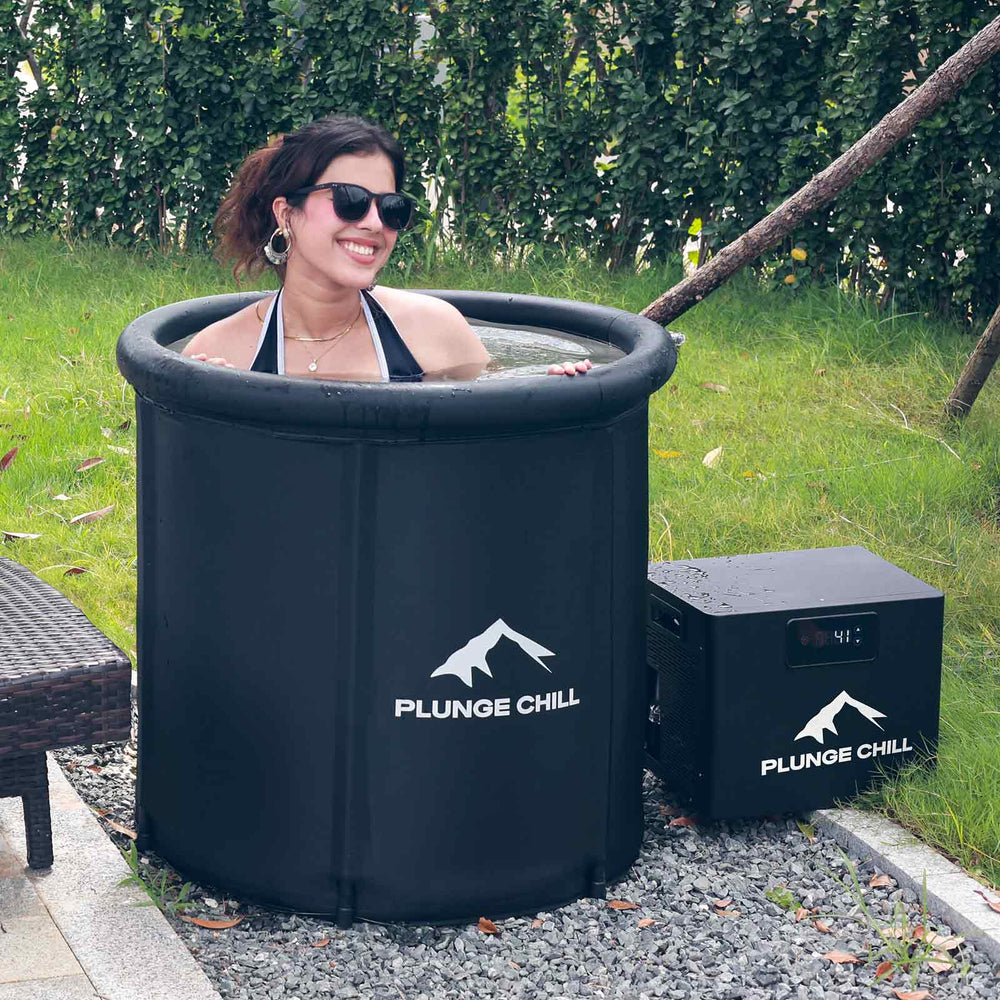
Home and studio options range from a simple bathtub filled with cold tap water and a few bags of ice to purpose-built plunge tanks with chillers that can hold water at precise temperatures as low as the high 30s°F. Mayo Clinic Health System notes that commercial cold-plunge tanks with full options can run up to about $20,000. Some athletic recovery brands advertise compact chillers capable of maintaining large volumes of water around 41°F, with digital controls and Wi-Fi monitoring.
From a physiological standpoint, a 50 to 59°F foot bucket and a 50 to 59°F plunge tub both rely on the same mechanisms: vasoconstriction in the immersed tissues, lower metabolic activity during exposure, and reperfusion during rewarming. From a practical standpoint, the dedicated tub adds consistency and convenience. You can dial in an exact temperature, repeat the dose day after day, and accommodate multiple dancers back-to-back without hauling ice bags.
However, the higher cost demands a clear role. In my opinion, a full plunge tub makes the most sense for companies, pre-professional schools, or multidisciplinary facilities where many dancers and athletes share the same resource. For an individual dancer or small studio, a heavy-duty plastic tub or regular bathtub, a few bags of ice, and an inexpensive floating thermometer provide essentially the same lower-body benefit for a fraction of the cost.
Regardless of the hardware, the principles remain the same. Keep water comfortably cold but not dangerously frigid (around the low 50s°F is adequate), limit immersion to a total of about 10 to 15 minutes per session, monitor for excessive shivering or discomfort, and focus on how you feel the next day rather than chasing extreme sensations in the moment.
When Foot Pain Is A Signal To Seek Help
Recovery tools are powerful, but they are not a substitute for medical evaluation when something is wrong. Several dancer-oriented and sports medicine sources emphasize that persistent pain beyond a few days, particularly when it interferes with weight-bearing or dancing, warrants professional assessment.
Zarely’s guidance on compression and ice suggests that if pain does not ease after about three days of home care, it is time to consult a physician, ideally one familiar with sports or dance medicine. Pointe Magazine and physiotherapist-written dance articles warn that ignoring progressive pain in the forefoot or heel, especially when combined with swelling or tenderness to touch, can lead to full stress fractures or tendon pathology.
Signs that you need more than recovery include pain that worsens at rest, night pain that wakes you, visible deformity, significant bruising or swelling that does not respond to elevation, inability to rise onto demi-pointe on the affected side, or signs of infection around blisters or cracks such as spreading redness, warmth, and discharge.
When in doubt, a dance-savvy physical therapist or sports medicine physician can differentiate between normal adaptation soreness, treatable overuse conditions, and injuries that require imaging or more substantial rest. The earlier you seek that input, the more likely you are to return quickly and safely.
Brief FAQ
Should I ice my feet after every single class?
For most dancers, no. The balance of evidence from Ohio State University, Mayo Clinic Press, and rehabilitation experts suggests that while cold can reduce soreness and help during very intense periods, frequent daily post-exercise immersion may dampen some training adaptations. I typically reserve dedicated foot ice baths or cold plunges for the heaviest days, such as long rehearsal blocks, performance runs, or tournaments, and rely on cooldowns, elevation, massage, and good sleep on moderate days.
Are Epsom salt soaks necessary, or is warm water enough?
Dance Magazine and other dance wellness sources recommend Epsom salts for relaxation, odor control, and softening of rough skin, and many dancers subjectively like how their feet feel afterward. From a strictly physiological standpoint, much of the benefit likely comes from warm water, time off the feet, and gentle movement or massage during the soak. If you enjoy Epsom salts and your skin tolerates them, they are a reasonable addition; they are not mandatory for effective recovery.
Are ice baths safe for younger ballet students?
Youth-athlete guidance on ice baths emphasizes caution. Ice baths can reduce soreness, but in still-developing bodies they may also blunt some natural adaptation if overused. For serious younger dancers, I generally favor active recovery, hydration, robust nutrition, and sleep as the default. Cold immersion can be an occasional tool after exceptionally demanding days or multi-show weekends, but it should be voluntary, time-limited, and supervised, never a mandatory post-class ritual.
Cold, compression, elevation, and careful foot care are powerful when used intelligently, but they are tools in service of a larger plan: sustainable training, thoughtful technique, and respect for your body’s signals. Treat your feet like the high-performance equipment they are, and they will carry you further and longer onstage.
References
- https://www.health.harvard.edu/staying-healthy/the-big-chill
- https://www.marquette.edu/innovation/documents/arora_ice_bath_recovery.pdf
- https://sncs-prod-external.mayo.edu/hometown-health/speaking-of-health/cold-plunge-after-workouts
- https://pmc.ncbi.nlm.nih.gov/articles/PMC2938508/
- https://health.osu.edu/wellness/exercise-and-nutrition/do-ice-baths-help-workout-recovery
- https://medicine.tufts.edu/news-events/news/are-you-using-heat-and-ice-properly
- https://healthcare.utah.edu/healthfeed/2023/03/cold-plunging-and-impact-your-health
- https://med.stanford.edu/news/insights/2020/05/ice-pack-or-heating-pad-what-works-best-for-athletic-injuries.html
- https://mcpress.mayoclinic.org/healthy-aging/the-science-behind-ice-baths-for-recovery/
- https://www.mayoclinichealthsystem.org/hometown-health/speaking-of-health/cold-plunge-after-workouts