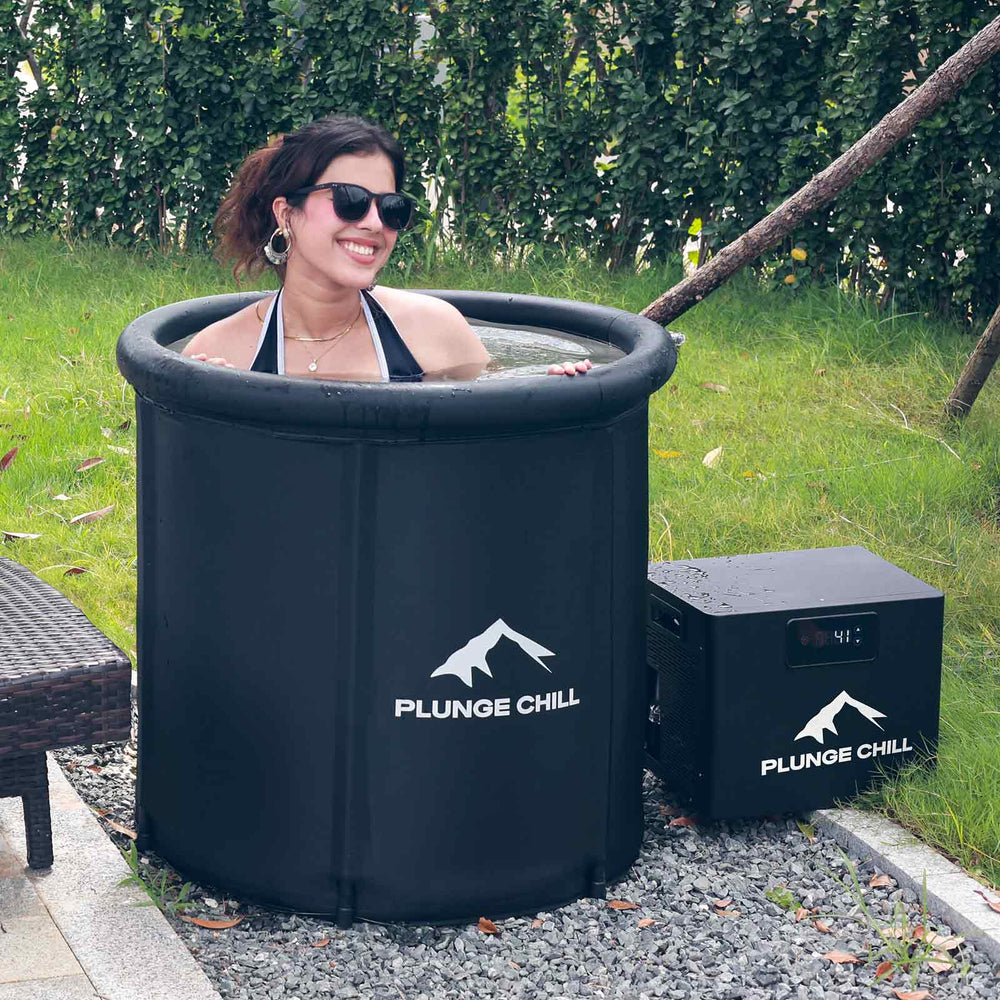
Walk into any training facility or modern rehab center and you will see the same thing tucked between squat racks and treatment tables: a cold plunge tub, often surrounded by people talking about “dopamine detox,” grit, and mental clarity. As a sports rehabilitation specialist and strength coach, and as someone who has tested everything from galvanized stock tanks to high-end refrigerated plunge systems, I see the upside of this trend every week. I also see the misunderstandings and the risks.
This article takes the dopamine detox narrative and runs it through the filter of current evidence on cold-water immersion. I will explain what actually happens to dopamine and other brain chemicals in the cold, how much support exists for mental health benefits, where the risks sit, and how I guide athletes and stressed professionals who want to use cold plunging in a smart, structured way.
What “Dopamine Detox” Really Means Around a Cold Plunge
The phrase “dopamine detox” sounds scientific, but it is not a medical procedure and you do not literally flush dopamine out of your system. Dopamine is a neurotransmitter that supports motivation, reward, and focus. You need it to get out of bed, start your warm-up set, and send that uncomfortable email. Depression and some anxiety states are often linked to low or dysregulated dopamine and norepinephrine, another arousal-related neurotransmitter, as highlighted in psychiatric discussions of cold exposure and mood.
What social media calls a dopamine detox is usually a behavioral reset: stepping away from high-intensity digital and food rewards and replacing them with lower-friction, more sustainable inputs such as movement, sleep, and time in nature. Cold plunging is getting attached to this idea because it delivers a powerful, controllable jolt to the nervous system without scrolling, gambling, or substances.
Cold-water immersion clearly modulates the neurochemistry that underpins that “reset” feeling. Reviews of cold exposure for mental health, neurohormesis papers, and popular science summaries of experimental work all converge on a similar pattern. Brief immersions in cold water trigger a sharp increase in norepinephrine and a substantial rise in dopamine that can last for hours. One lab study discussed in mental health reviews and consumer articles reported norepinephrine levels increasing more than fivefold and dopamine rising by roughly two and a half times baseline during and after a single cold bath. Clinical psychiatrists and neuroscientists have likened this to a milder, more sustained version of what some antidepressant medications try to achieve for norepinephrine, while noting the evidence is still emerging.
From a coaching standpoint, this helps explain why my athletes describe a plunge as “like hitting a hard reset on my brain” or “better than a second coffee without the jitters.” The key point, however, is that the reset is a change in signaling and perception, not an actual detox. Dopamine is not a toxin. Cold plunges do not clean your brain of it; they alter how your stress and reward systems fire in response to a deliberate, intense physical stressor.

Neurochemistry of Cold Plunges: Stress, Dopamine, and Hormesis
To understand why a cold plunge feels like a dopamine detox, you need to look beyond dopamine alone and consider the stress response more broadly.
When you first hit cold water, especially in the 50–59°F range that most studies use for cold-water immersion, your body mounts what researchers at Case Western Reserve and the University of Washington describe as a “cold shock response.” Heart rate, blood pressure, and breathing rate spike. Blood vessels in your arms and legs constrict to shunt blood toward the core. Many people gasp involuntarily and hyperventilate. This is classic sympathetic “fight or flight” activation.
Alongside these cardiovascular and respiratory changes, cold receptors in your skin send intense signals through nerve fibers into the brain. Work in neurohormesis and thermal physiology shows that this surge activates the hypothalamic–pituitary–adrenal axis and the sympathetic nervous system. The downstream effect is a cocktail of neurotransmitters and hormones: norepinephrine, dopamine, cortisol, serotonin, and β‑endorphins all shift.
Published clinical and translational work indicates several consistent features of this response:
First, norepinephrine rises sharply. Articles summarizing controlled cold-bath experiments report increases on the order of several hundred percent, with levels staying elevated for hours after the immersion ends. Norepinephrine supports alertness, vigilance, and the capacity to focus under stress. Cold exposure practitioners often credit this spike for their post-plunge clarity and ability to concentrate.
Second, dopamine increases meaningfully and remains elevated for an extended window. Psychology and neuroscience summaries of cold-water studies describe dopamine rising by roughly 250 percent for about two hours after a single cold bath. That is a large effect in neurochemical terms, and it matches what participants report in mood studies: they feel proud, inspired, and more motivated to take on tasks after getting out of the water.
Third, cortisol, the primary stress hormone, behaves in a time-dependent way. Stanford Lifestyle Medicine describes research in which an hour of cold exposure at varying temperatures did not raise cortisol during the immersion but showed decreased cortisol afterward, staying below baseline for one to three hours. Another experimental study from the University of Oregon found cortisol reductions and lower negative mood after a single 15‑minute cold-water immersion in college students. Longer-term work with winter swimmers and cryotherapy users shows that cortisol responses to a cold stimulus become blunted after several weeks of practice, while the norepinephrine spikes remain high. That pattern—lower cortisol reactivity and preserved catecholamine response—is one way physiologists define increased stress resilience.
Fourth, there are meaningful changes in brain networks. A functional MRI study of head-out immersion in about 68°F water for five minutes found that positive affect (feeling active, alert, proud, and inspired) increased and negative affect decreased. These mood shifts tracked with stronger interactions among large-scale brain networks implicated in mood disorders, including the default mode, salience, and frontoparietal networks. That gives a plausible neural mechanism for why cold-water swimmers often report antidepressant-like effects, although the study involved healthy adults and a single session.
Taken together, this is classic hormesis. According to a neurohormesis review in a psychiatry journal, low-to-moderate doses of stressors such as cold can trigger adaptive, beneficial changes in the nervous system, while excessive or prolonged stress is harmful. In mice, cold-induced proteins like RBM3 have even been shown to preserve synapses in models of neurodegenerative disease, although it remains unproven that short, human cold plunges replicate that effect. The concept is still useful: a plunge is not relaxation. It is a controlled hit of “good stress” that your body adapts to over time.
From a practical perspective, this means the dopamine detox narrative is really about harnessing neurohormesis. You step into the cold, ride out a sharp stress response, and come out with a neurochemical configuration that makes focus and calm more accessible—at least for a few hours.
Does Cold Plunging Improve Mental Health? What the Evidence Actually Shows
The more important question for anyone considering cold plunges as a mental health tool is not whether dopamine moves. It is whether people feel and function better in ways that matter.
Here, the evidence splits into acute effects and longer-term outcomes.
On the acute side, experiments are remarkably consistent. Stanford Lifestyle Medicine describes a 20‑minute sea swim in water around 56.5°F in undergraduates that significantly reduced tension, anger, depression, fatigue, and confusion, while increasing vigor and self‑esteem compared with controls. In another small trial, adults new to cold-water swimming reported feeling more active, alert, attentive, proud, and inspired after a five-minute bath in 68°F water. The brain imaging study mentioned earlier showed similar gains in positive affect and reductions in nervousness and distress after a single five-minute immersion.
Case reports add to this picture, though they cannot prove causation. Psychiatric and mental health sources describe individuals with major depressive disorder who began regular open-water swimming and, within several months, no longer met criteria for depression or anxiety and were able to taper off medication, remaining symptom-free a year later. These stories are compelling, and they match what I sometimes see when cold exposure is combined with therapy, medication, training, and sleep interventions. But they are still stories, not randomized trials.
When you look at broader, controlled data, the picture is more cautious. A systematic review and meta-analysis in PLOS One pooled eleven randomized controlled trials involving 3,177 healthy adults. Cold-water immersion was defined as showers, baths, or plunges at or below 59°F, chest-deep or more, for at least 30 seconds. Across these trials, cold exposure caused a clear acute inflammatory response but did not show consistent, broad mental health benefits.
Perceived stress decreased significantly at about twelve hours after immersion, but not immediately, not at one hour, and not at 24 or 48 hours. Some trials reported improvements in sleep quality and health-related quality of life, and a Netherlands study found that people who finished their showers with 30 to 90 seconds of cold water for 90 days had about 29 percent fewer sickness-related absences from work. However, pooled analyses did not support robust, consistent improvements in mood, depression, anxiety, or general mental well-being.
Harvard Health and Healthline both highlighted this nuance when they summarized the same dataset: cold-water immersion appears to transiently reduce stress and may help some people sleep better or feel more energetic, but evidence that it reliably improves mood or immunity is limited.
In other words, if you are expecting a cold plunge to cure depression, the current science does not back that expectation. Cold exposure looks more like a promising adjunct—something that can be layered onto evidence-based treatments such as psychotherapy and medication, as several mental health clinics explicitly recommend—than a stand-alone therapy.
From the coaching side, that matches my experience. I have had athletes and executives who use cold plunges three or four mornings per week and describe fewer intrusive urges to scroll, easier initiation of tasks, and a calmer baseline during stressful days. But they achieve the biggest gains when cold is combined with structured exercise, better sleep hygiene, and support from a therapist or psychiatrist when needed. Those who try to use cold as their only mental health strategy often feel good for an hour or two and then slide back into old patterns.

Immediate and Long-Term Responses: How a Plunge Feels Over Time
It helps to map the time course of a plunge and relate it to what the research shows. The table below summarizes typical responses using ranges drawn from the studies and reviews already mentioned.
Timeframe |
Physiological response |
Common mental experience |
Evidence snapshot |
First 0–60 seconds |
Sudden spike in heart rate, blood pressure, and breathing; intense skin cold signals; peripheral vasoconstriction |
Shock, urge to escape, panic if unprepared |
Described as the cold shock response in Case Western and University of Washington safety articles |
Minutes 1–5 |
Breathing stabilizes if you focus; norepinephrine and dopamine rising; shivering may begin; skin and muscle temperatures dropping |
Intense discomfort shifting to a focused, “locked in” feeling |
Hormesis and neurohormesis reviews, plus acute mood studies in cold baths and swims |
First 1–3 hours after |
Heart rate and blood pressure normalize; cortisol often lower than baseline; catecholamines remain elevated |
Calm energy, improved focus, improved positive affect and reduced negative affect |
Stanford Lifestyle Medicine cortisol data, University of Oregon immersion study, and the cold fMRI trial |
Around 12 hours after |
Inflammation markers back toward baseline; perceived stress lower compared with controls |
Subtle sense of relief or lower tension compared with usual day |
PLOS One meta-analysis showing a significant stress reduction at the twelve-hour mark only |
Weeks to months of practice |
Blunted cortisol response to the same cold stimulus; high norepinephrine response; potential improvements in sleep and quality of life; immune markers mostly unchanged in the short term |
Better tolerance of daily stress, greater resilience, for some people improved sleep and fewer sick days |
Longitudinal winter swimming studies, cryotherapy protocols, and the systematic review and shower study reporting 29 percent fewer sick days |
This timeline explains why cold plunges are attractive as a dopamine detox tool. They are unpleasant up front but can feel terrific for hours afterward, and regular use seems to recalibrate the stress system in a favorable direction for at least some people. It also highlights why relying on a single New Year’s Day polar plunge to change your mental health is unrealistic; the University of Washington article points out that once-a-year immersions likely confer minimal benefit compared with regular practice.
Safety First: Who Should Be Cautious and How to Reduce Risk
The same stress response that helps you feel alive in the water is what makes cold plunging risky. Medical and sports science sources are unanimous on one point: cold-water immersion is not a benign wellness hack. It is a potent physiological stressor.
People with cardiovascular or circulatory issues are at particular risk. Case Western, Dartmouth Health, University of Washington, UCLA, and psychiatric clinicians all warn that individuals with heart disease, uncontrolled high blood pressure, arrhythmias, prior stroke, diabetes with vascular complications, Raynaud’s phenomenon, significant peripheral vascular disease, or cold-induced hives should not begin cold plunging without medical clearance. Hypothyroidism, advanced age, pregnancy, and use of medications that blunt heart-rate response (such as beta blockers) also warrant extra caution.
The immediate cold shock response matters here. The sudden spike in heart rate and blood pressure, combined with intense vasoconstriction, can provoke arrhythmias or even a heart attack in vulnerable people. The involuntary gasp and hyperventilation that occur as you enter cold water also increase drowning risk, especially if you jump into deep or open water without a plan.
Cold carries cognitive risks as well. A systematic review of cold exposure experiments summarized by sports psychiatry researchers found that cold air and cold water both impaired cognitive performance in most studies, with slower processing speed and executive function during and shortly after exposure. Neurohormesis reviews note that intense cold can reduce cerebral blood flow and slow neuronal conduction, degrading memory, attention, and decision-making until you rewarm.
From a practical standpoint, I treat cold plunging more like a heavy barbell than like a gentle stretch. Almost all of my athletes are strong enough to attempt a heavy single, but I would never load the bar without screening, a spotter, and a clear plan.
Translating that analogy to cold plunges, safe practice usually includes several guardrails. You do not plunge alone, especially in lakes, rivers, or the ocean. You respect very short durations at first—on the order of one to three minutes in the 50–59°F range—rather than trying to chase social media extremes at 38°F. You plan how you will rewarm with dry clothing and light movement. You exit immediately if you experience chest pain, confusion, or unusual shortness of breath.
Perhaps most importantly, you recognize that cold is only one stressor in your week. For an overtrained athlete, a new parent sleeping five hours per night, or someone in the middle of a depressive episode, adding more stress—even “good stress”—can be too much. In those situations, I often start with milder options such as brief cool showers, cool water on the face and neck to engage the diving reflex, or even just structured breathing practices that regulate the nervous system without temperature extremes.

Practical Protocols for a “Dopamine Reset” That Respect the Science
Within those safety constraints, how should you actually use cold if your goal is better mood, stress resilience, and less compulsive reward-seeking?
Research does not yet define a single optimal protocol, but common features emerge across clinical papers, sports science, and practical guidelines from academic and clinical sources.
If You Are New to Cold Exposure
For beginners, I almost never start with a full-body plunge at 50°F. Instead, I use cold showers as a ramp. Psychiatry and mental health clinicians suggest adding about 30 seconds of cold water to the end of a normal shower and gradually working up over several weeks to two or three minutes of cold. UCLA sports medicine experts recommend cold shower intervals below about 60°F for two to three minutes, with contrast showers—alternating several minutes hot, one minute cold—after workouts.
In a dopamine detox context, a simple starting routine might be a normal warm shower in the morning, then two rounds of 60 seconds cold and 60 seconds warm, finishing on cold. During the cold intervals, you keep your face out of the stream so you can maintain calm nasal breathing and avoid a panic response. You leave your cell phone in another room to reinforce that this time is about nervous-system training, not stimulation.
Once you tolerate those showers well, you can progress to brief immersions. Sports rehab and psychotherapy sources commonly suggest starting with one to two minutes in moderately cold water around 60°F and gradually lowering the temperature and extending to about three to five minutes as adaptation develops. Neuroscience-informed educators often refer to about eleven minutes per week of total cold exposure, split into two to four sessions, as a reasonable target that appears in several human studies. That number is not magic, but it is a sensible benchmark.
The guiding principle is that the water should feel uncomfortably cold and make you want to get out, while still being safe enough that you can control your breathing and remain mentally present. If you cannot voluntarily slow your breathing within about thirty seconds, the stimulus is too intense for that stage of your adaptation.
If You Are an Athlete or Lifting for Muscle Growth
For athletes, mental health is never separate from performance. Cold exposure has well-documented benefits for reducing muscle soreness and perceived fatigue after hard sessions, but it can interfere with muscle growth and some training adaptations if used at the wrong time.
A large body of sports science, summarized in sports psychiatry and recovery reviews, shows that short cold-water immersion after intense exercise can meaningfully reduce delayed onset muscle soreness and improve power recovery twenty-four hours later. At the same time, strength-training studies where participants sat in cold water around 50°F for ten to fifteen minutes after lifting showed substantially less muscle hypertrophy and fewer myonuclei compared with active recovery. A seven-week trial using somewhat warmer water up to the sternum found blunted muscle size gains without altering strength or endurance.
For a strength or physique athlete chasing hypertrophy, I therefore avoid heavy cold exposure in the four to eight hours after lifting. If we use cold plunges at all, we schedule them on rest days, after light aerobic work, or in the morning on days that feature skill work or low-load training. Endurance athletes racing or in a dense competition block can justify post-session plunges because immediate recovery and reduced soreness may outweigh a small cost to adaptation.
A concrete example illustrates this. Consider a powerlifter training heavy three days per week. I might place cold showers on non-lifting mornings and a three-minute, 55°F plunge on one weekend morning after a light walk. For a marathoner peaking for a race, we might add short plunges after key long runs in the final few weeks to help manage soreness, knowing that maximal muscle growth is not the priority.
Timing Cold Plunges for Mood and Sleep
Cold has a complex relationship with sleep and arousal. Cold exposure initially activates the sympathetic nervous system and, as neuroscientists explain, tends to produce a net increase in body temperature afterward as your body reheats. That rebound heating and catecholamine elevation make cold plunges better suited to earlier in the day for most people, especially if they already struggle with insomnia.
At the same time, studies of regular cold-water swimmers and shower users suggest that some people report better sleep with consistent practice. Some of my clients find that a brief cool shower in the early evening, followed by a warm bath or time in a sauna, helps them wind down. Research on contrast therapy and sauna use supports the idea that alternating hot and cold can calm racing thoughts and reduce generalized anxiety for certain individuals.
The practical takeaway is to experiment cautiously and track your response. If an evening plunge leaves you wired at 11:00 PM, move it earlier. If a morning plunge gives you a sustained window of focused calm through your most demanding work hours, anchor it there and protect that routine.
For rapid regulation during spikes of anxiety, full-body immersion may not be necessary at all. Stanford Lifestyle Medicine and dialectical behavior therapy protocols both describe brief facial immersion in cold water as a way to engage the diving reflex via the trigeminal and vagus nerves. Running cool water over the cheeks or holding a chilled compress against the face for thirty seconds can tilt the autonomic balance toward parasympathetic “rest and digest” without the risks of deep immersion.

Cold Plunge Tubs, Showers, or Lakes: Choosing Your Tool
As a product reviewer, I am often asked whether a dedicated cold plunge tub is “worth it” compared with cold showers or simply walking into a nearby lake. The answer depends less on raw temperature and more on control, consistency, and risk.
Most controlled studies use baths or tubs where they can maintain a stable water temperature between about 45 and 59°F and immerse participants to chest level. Cold showers are underrepresented in the research but have been studied in at least one trial where they improved quality-of-life scores and reduced sick days. Open-water swims offer additional variables—currents, wind, waves—that complicate the picture but clearly produce similar physiological responses when the water is cold enough.
The table below compares common modalities from a mental health and safety standpoint, drawing on the research base and clinical guidance.
Modality |
Typical temperature range in studies and practice |
Pros for mental health and “dopamine detox” |
Main risks or limitations |
Best suited for |
Cold shower |
Often around 50–60°F depending on tap water and region |
Accessible, low-cost, easy to integrate daily; evidence for reduced sick days and slightly better quality of life; good stepping stone for stress inoculation and dopamine-related benefits |
Less precise control of temperature; limited immersion depth; water can feel less intense, which some people find less motivating |
Beginners, people with cardiac risk who are cleared only for milder cold, and anyone testing whether cold helps mood before investing in equipment |
Home plunge tub or gym ice bath |
Commonly set around 45–55°F for general use |
Stable temperature, full-body immersion, and fine control over duration; best match to research protocols; strong stimulus for catecholamine increase and stress training; convenient for athletes |
Higher cost and maintenance; requires safety planning; higher risk if used unsupervised or pushed too cold or too long |
Athletes, serious trainees, and individuals who respond well to cold showers and want a more potent but controlled tool |
Open-water winter swimming (lakes, rivers, ocean) |
Highly variable; winter swims often near freezing, sometimes in the 35–40°F range |
Combines cold exposure with nature, sunlight, and often social connection, all of which support mental health; sea swim studies show large acute mood improvements |
Drowning risk, currents, waves, variable depth, and difficulty exiting; more intense cold shock; hypothermia risk if mismanaged; requires group safety and local knowledge |
Experienced cold practitioners with medical clearance, strong swimming ability, and access to supervised or well-known natural sites |
Cryotherapy chambers, which cool air to extremely low temperatures for a minute or two, create similar skin receptor stimulation without water but are less studied for mental health and often more expensive per session. For most people pursuing a dopamine detox style reset, water-based options offer more flexibility and better alignment with existing research.
How I Integrate Cold Plunging into Rehab and Mental Performance
In my own practice, cold plunging is never the first line of treatment for mental health, but it is a powerful tool when matched to the right person and context.
For a rotational sport athlete rehabbing a shoulder injury who feels anxious, disengaged from the team, and stuck in repetitive social media cycles, we might build a morning routine that includes a short walk, structured breathing, a two- to three-minute 55°F plunge, and then a simple checking-in journal before rehab exercises. Over several weeks, that athlete often reports feeling more willing to tackle rehab work, less pulled toward the phone, and more capable of tolerating frustration—changes that line up with the neurohormesis framework and the norepinephrine and dopamine data described earlier.
At the same time, we coordinate with mental health professionals when needed, especially if there are signs of major depression, panic disorder, trauma-related symptoms, or suicidal thoughts. Many psychiatric groups emphasize cold exposure as a complementary strategy, not a replacement for therapy or medication. I see the same thing: cold is most effective when it supports a broader plan that includes sleep, nutrition, training periodization, psychotherapy, and, when indicated, pharmacology.
We also adjust protocols as life circumstances change. When an athlete is in a heavy training block, we pull cold plunges away from immediate post-lift windows to protect adaptation. When someone is under unusual life stress or not sleeping, we may temporarily reduce or pause cold exposure so it does not add more load to an already overtaxed system.
The common thread is intentionality. A cold plunge that you sprint into on a whim because you saw a clip online is fundamentally different from a cold plunge embedded in a thought-out routine with clear goals, boundaries, and an exit strategy.
FAQ: Common Questions About Cold Plunges and Dopamine Detox
Does a cold plunge actually detox dopamine?
No. Cold plunges do not remove dopamine from your brain. What they do, based on current neuroscience and psychiatry literature, is trigger a short, intense stress response that sharply increases norepinephrine and significantly elevates dopamine for a couple of hours. That shift can make you feel more motivated, focused, and calm, which feels like a reset. From a behavioral standpoint, if you pair plunges with fewer high-intensity digital and food rewards, you are essentially retraining your reward system—but the detox is behavioral, not biochemical.
How many minutes per week do I need for mental health benefits?
Studies vary widely in temperature and duration, from thirty seconds to twenty minutes or longer, and a systematic review in healthy adults found only time-limited stress reduction and mixed mood results. Neuroscience-informed educators often suggest about eleven minutes per week of total cold exposure, split into several sessions in the 50–59°F range, as a reasonable starting target that matches some human data. Clinical and sports medicine sources emphasize that you should build up gradually, prioritize consistency over intensity, and adjust based on your health status and how you feel rather than chasing a specific number.
Can cold plunges replace therapy or medication for depression or anxiety?
Current evidence does not support that. Experimental and observational studies show promising acute mood improvements and some hints of longer-term benefit, including case reports of remission with regular cold-water swimming, but systematic reviews do not show consistent, robust antidepressant or anxiolytic effects across large groups. Mental health professionals who use cold exposure in practice typically frame it as an adjunct to evidence-based treatments. If you are dealing with significant symptoms, persistent low mood, thoughts of self-harm, or functional impairment, you should seek professional care and consider cold plunges only as part of a comprehensive plan, if your clinician agrees it is appropriate and safe.
Cold plunging, when done thoughtfully, can be a potent way to practice stepping into discomfort, harness hormetic stress, and nudge your brain chemistry toward focus and calm. As with any powerful training tool, the value lies less in the hardware—the tub, lake, or shower—and more in the program you wrap around it. Treat the cold with the same respect you give heavy weights: build up slowly, know why you are doing it, listen to your body, and use it to support, not replace, the fundamentals of mental health and performance.
References
- https://knightcampus.uoregon.edu/plumbing-benefits-plunging
- https://case.edu/news/science-behind-ice-baths-and-polar-plunges-are-they-truly-beneficial
- https://www.health.harvard.edu/staying-healthy/research-highlights-health-benefits-from-cold-water-immersions
- https://digitalcommons.liberty.edu/cgi/viewcontent.cgi?article=8439&context=doctoral
- https://pubmed.ncbi.nlm.nih.gov/39879231/
- https://lifestylemedicine.stanford.edu/jumping-into-the-ice-bath-trend-mental-health-benefits-of-cold-water-immersion/
- https://newsroom.uw.edu/blog/ready-to-take-the-plunge
- https://www.dartmouth-health.org/articles/should-you-cold-plunge
- https://journals.plos.org/plosone/article?id=10.1371/journal.pone.0317615
- https://www.uclahealth.org/news/article/6-cold-shower-benefits-consider