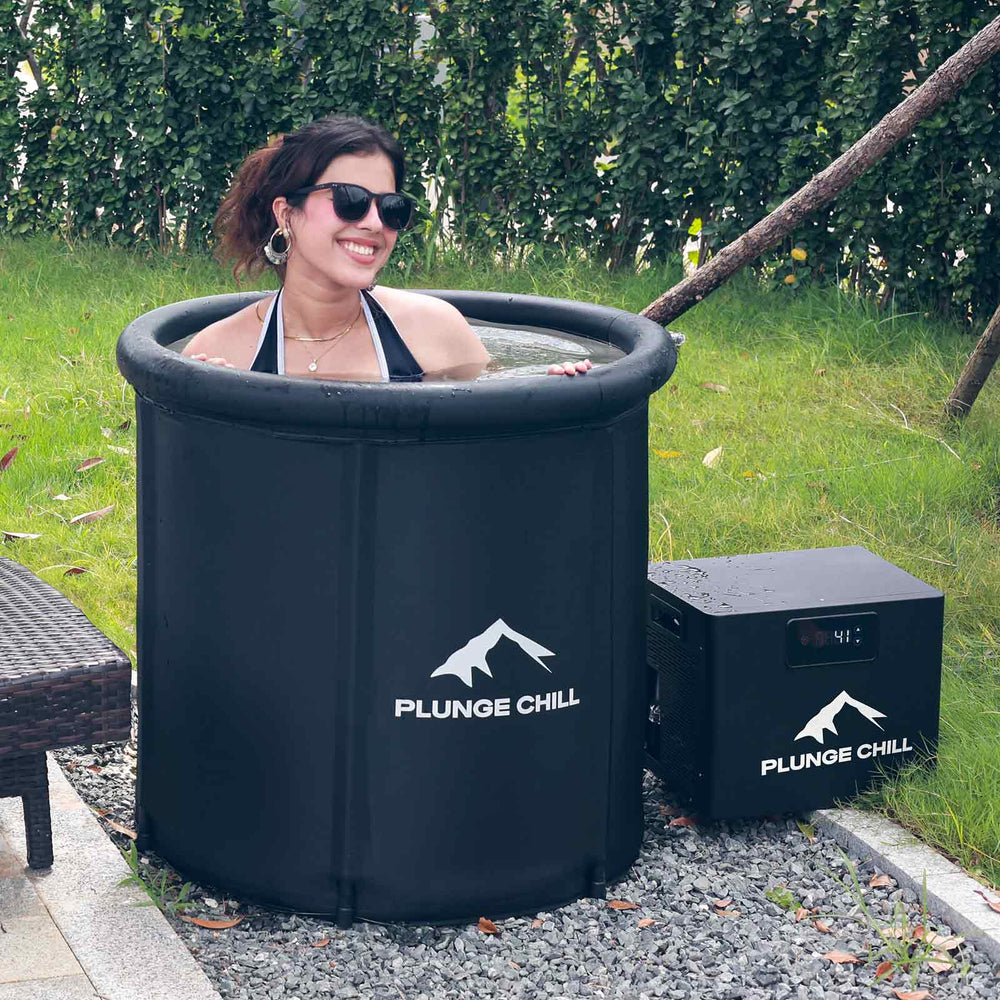
Cold plunges have moved from pro training rooms and high-end spas into small city apartments and condos. As a sports rehabilitation specialist and strength coach, I see more clients trying to squeeze a tub into a corner of a bathroom, onto a narrow balcony, or beside a squat rack in a studio living room. Done well, a compact plunge can deliver serious recovery and mood benefits without overwhelming your space or your neighbors. Done poorly, it can overload a floor, fog your windows with condensation, or turn into a maintenance headache you stop using.
This guide walks through how to think about compact cold plunges specifically for apartments and condos: what type of tub actually works in tight quarters, where to put it, how to manage water and temperature without wrecking your space, and how to integrate plunges into a strength and conditioning program safely.
What Counts as a “Compact” Cold Plunge?
When people say “cold plunge” they often mean very different setups. A buying guide from Fire Cold Plunge describes three broad categories: DIY ice baths, tubs paired with external chillers, and all-in-one systems with a built-in compressor chiller that keeps water cold automatically. For small apartments, the viable options sit on a spectrum from ultra-portable inflatables to compact, self-chilling tanks.
Haven of Heat notes that typical compact plunge tubs are roughly 45–60 in long, 25–32 in wide, and 22–30 in high, with total filled weight often in the 300–500 lb range. Some apartment-specific options are even smaller. For example, Master Spas describes the inflatable Chilly GOAT GO! as about 34 in long by 13 in wide when inflated, weighing under 40 lb empty, designed to slide into a bathroom corner or reinforced balcony.
On the other end of the compact spectrum, barrel-style plunges like the Nordic Wave Viking use a vertical footprint instead of a long horizontal tub. According to Nordic Wave, that unit is about 36 in wide, 30 in deep, and 41 in tall, with around 95 gallons of capacity and a separate chiller that cools to about 38°F, all built around a relatively small patio-friendly footprint.
For apartment living, you are usually choosing between four practical approaches:
Tub type |
Typical footprint |
Cooling method |
Best for |
Key trade-offs |
Inflatable or foldable tub |
Very small, can tuck into corners |
Bagged ice or reusable ice packs |
Renters, very limited space or budget |
Lowest cost and weight, but highest ongoing ice and water hassle |
Compact all-in-one plunge with built-in chiller |
Rectangular or oval, roughly 4–5 ft long |
Internal compressor chiller plus filtration |
Daily users who want “set and forget” convenience |
Higher upfront cost and weight, needs good power and floor |
Vertical barrel or “deep soak” tub |
Near-square footprint around 3 ft |
Often integrated or paired chiller |
Tight balconies, micro-gyms, users who don’t need to recline |
Excellent space efficiency, but more crouched posture |
Existing bathtub with add-on kit |
Uses tub footprint you already have |
Ice or a small chiller kit |
Trying cold plunges before buying a dedicated tub |
Inconsistent temperatures, more ice and cleaning work |
In my own coaching practice, I spend a lot of time steering apartment clients away from oversized spa-style units and toward one of these compact configurations. The ideal choice depends less on the “cool” factor and more on the realities of your floor, your noise tolerance, and how often you will realistically plunge.

Can Your Apartment or Condo Actually Support a Cold Plunge?
Before you fall in love with any particular model, you need to answer a boring but essential question: can your structure safely support the tub when it is full of water and a person, and can the room handle moisture, power, and drainage?
Understanding Load and Footprint
Several sources highlight how heavy a “small” plunge becomes once it is full. Vanity Art notes that water weighs about 8.3 lb per gallon, and RHTubs warns that filled cold plunges can reach around 930 lb, which is why they stress structurally reinforced, ventilated, plumbed floors.
Take the Nordic Wave Viking as a real-world example. It holds about 95 gallons of water. That water alone weighs roughly 790 lb. Add an approximately 60 lb tub body and a 180 lb athlete, and you are in the neighborhood of 1,030 lb resting on an area of just a few square feet. That is a perfectly reasonable load for many modern slabs and balconies that are properly designed, but it is not something you drop onto an old, flexy wood floor without asking questions.
Haven of Heat suggests that compact plunges in indoor settings often weigh 300–500 lb when filled, but as you move up in volume or add taller users, you can easily approach or exceed that higher end. RHTubs recommends planning for at least about 7 ft by 3.5 ft of total footprint for most full-body plunges, including working clearance and safe entry and exit, even if the tub itself is smaller.
For clients in older upstairs units or on narrow balconies, I usually encourage two steps before purchase. The first is to get exact specs from the manufacturer on water volume, dry weight, and recommended clearances. The second is to talk with building management or a structural professional if there is any doubt. It is boring, but it is cheaper than repairing a downstairs neighbor’s ceiling.
Choosing the Right Room or Zone
Once you understand the load, the next question is location. Renu Therapy’s small-space setup guide emphasizes that the main limiting factors are airflow, floor type, and access to power and drainage, not just square footage. Good apartment candidates include bathrooms with extra floor area, shaded covered balconies, laundry-room corners, small home gyms, and garage bays in townhome-style condos.
A few guiding principles repeat across the small-space literature:
- Master Spas highlights reinforced balconies, small courtyards, bathroom corners, and even living-room zones near windows as workable spots for inflatable tubs like the Chilly GOAT GO!, as long as the tub does not block normal movement.
- Renu Therapy and Haven of Heat warn against carpet and enclosed, stuffy rooms such as closets because they trap moisture and limit ventilation. Tile, concrete, or other water-tolerant floors are preferred.
- RHTubs recommends moisture-resistant flooring, slip-resistant mats, and good ventilation or a dehumidifier for indoor plunges to manage condensation and prevent mold.
If you are considering a balcony or rooftop in particular, Wish Rock Relaxation stresses the need to confirm structural capacity, given the weight of a filled tub plus user, and to account for wind exposure and privacy.
A typical real-world layout I see in city condos is a compact all-in-one plunge set lengthwise along the wall of a small home gym or office, with at least 6–12 in of clearance on all sides, a waterproof mat underneath, and a nearby floor drain or shower within hose distance. Haven of Heat specifically suggests leaving that 6–12 in buffer for ventilation and filter access, which is easy to overlook in tight rooms.
Air, Noise, and Neighbors
Built-in chillers are designed to be apartment-compatible, but they are not silent. Haven of Heat notes that most integrated chillers sound similar to a mini fridge: a low hum rather than a roar. Renu Therapy also emphasizes quiet operation as a selling point for placing plunge tanks near bedrooms or offices.
If you share walls with neighbors, that hum plus the occasional splashing and your own breathing can matter more than you might think. In those cases, quieter all-in-one units or well-insulated barrel plunges are usually better choices than louder external chillers sitting beside the tub.
For placement, I generally advise clients to avoid shared-bedroom walls and instead use rooms with some natural sound masking: next to a bathroom, laundry room, or internal hallway. It can feel like overkill, but if you ever plunge at 6:00 AM or late at night, your neighbors will appreciate your planning.
Portable vs Fixed: Which Cold Plunge Style Fits Small-Space Life?
Once you know where a plunge can live, the main decision becomes which type best matches your living situation and training habits. Here is how the main options shake out for small apartments and condos, grounded in the product data and user experiences from multiple manufacturers and reviewers.
Inflatable and Foldable Tubs: Maximum Flexibility, Maximum Ice
Inflatable tubs are the go-to choice for renters or anyone who cannot commit to a permanent footprint. The Chilly GOAT GO! from Master Spas is a good example of this category. It is designed to weigh under 40 lb empty, inflate to a footprint small enough for a bathroom corner, and deflate to store in a closet or under a bed. The manufacturer recommends pairing it with a simple kit of pump, hose, and digital thermometer, powered by an inexpensive electric air pump.
Wired’s review of the CalmMax Oval describes a similar idea at a budget price: a roughly 118-gallon oval plunge that assembles easily and packs away when not in use. The trade-off is clear. You save on cost and can fit the tub into almost any small space, but you give up automatic chilling. You rely on tap water temperature plus ice.
Master Spas suggests aiming for water below 60°F and notes that dropping below about 40°F offers minimal added benefit while increasing discomfort and risk. To reach target temperatures, they recommend roughly a 1:3 ice-to-water ratio, which means one gallon of ice, about 7.6 lb, for every three gallons of water. In a practical scenario, if your inflatable holds about 30 gallons, you are looking at roughly 10 gallons of ice, or around 76 lb, each time you want to plunge from warm tap water. For apartment freezers, that is a real logistical constraint.
Because these tubs often need to be drained after one or two uses, you will also refill and re-ice frequently. The Chilly GOAT GO! addresses this partly with an insulated, buckled cover to hold temperature between sessions and reduce ice use. For water management in apartments, their blog recommends using faucet adapters to connect a hose to a kitchen or bathroom tap, then opening the tub’s drain plugs and using a small pump to empty water into a bathtub, shower, or safe patio drain area.
In practice, I see these inflatable setups work best for athletes who plunge two or three times per week, are comfortable handling ice, and value the ability to put their space back “to normal” between sessions. They are less ideal if you want daily early-morning plunges without wrestling with ice bags.
Compact All-In-One Plunges with Built-In Chillers: Daily Use, Less Hassle
For serious, high-frequency use in a small home, compact all-in-one plunges with internal chillers are the gold standard, both in the Fire Cold Plunge buying guide and in design-focused pieces from Haven of Heat and Sun Home Saunas. These systems are self-contained tubs with integrated compressor units that automatically cool and filter the water.
Fire Cold Plunge describes this category as self-cooling and self-cleaning: you plug into a standard 110V outlet, fill with a hose, set a target temperature, allow about 12–24 hours for the initial cool-down, and then the unit maintains water in the 30s or 40s°F on its own. Their internal compressor systems can cool to roughly 33°F and even form a thin ice layer if desired, although most users stay closer to 39–50°F, which aligns with the ranges Fire Cold Plunge and other guides recommend.
All-in-one units are heavier and more expensive than inflatables. Fire Cold Plunge lists an empty weight around 180 lb, while Creative Energy cites about 275 lb dry for their compact tubs, which also reach water temperatures as low as 37°F while remaining energy-efficient. Haven of Heat’s small-space article recommends compact fixed tubs with integrated chillers as the best balance of efficiency, hygiene, and convenience for condos and apartments, noting that most run on standard 110V outlets but should use GFCI protection and avoid extension cords.
The real advantage is day-to-day consistency and hygiene. Fire Cold Plunge’s guide outlines a low-maintenance routine: clean the built-in filter every couple of weeks, replace it roughly every three months, rely on integrated ozone systems to help control bacteria, skim debris, and drain and refill around every three months, rather than after each use. RHTubs similarly highlights ozone and multi-micron filtration as central to water care, with water changes typically falling somewhere between monthly and a few times per year depending on use.
If you are a strength athlete, endurance athlete, or high-stress professional who plans to plunge four or more times a week for years, the convenience of walking across your apartment, removing a well-insulated lid, and getting into 45–50°F water without hauling ice is not a luxury; it is what keeps you consistent.
In a typical one-bedroom condo, I often see these all-in-one units placed beside a compact home gym or in a converted storage nook, with 6–12 in of clearance around the tub and careful attention to waterproof flooring and ventilation. It is a more permanent commitment than an inflatable, but it behaves like any other appliance once it is in.
Vertical Barrels and Ultra-Compact Rigid Tubs: Maximum Recovery in Minimal Footprint
Vertical barrels and deep “soak” tubs are the most space-efficient shapes if you can live with a more upright posture. The Ice Barrel 400, highlighted in Fire Cold Plunge’s best-tubs roundup, popularized the upright, compact, no-electric cold plunge for home use. Nordic Wave’s Viking takes a similar form factor but pairs it with a dedicated chiller.
The Nordic Wave Viking is a barrel-shaped tub roughly 36 in wide, 30 in deep, and 41 in tall. Reviewers describe it as weighing about 60 lb for the tub and about 55 lb for the separate chiller, which allows most users to move it without professional help. It holds roughly 95 gallons of water and includes multi-stage filtration and ozone sanitization.
The benefit for small patios and tight outdoor spaces is obvious. Wired’s cold plunge coverage notes that barrel designs like these give you full-depth immersion up to the shoulders while using a small footprint. For small apartments with a narrow balcony, that trade-off can be ideal. The main downside is ergonomics. Nordic Wave’s testing reported that a 6 ft athlete needed to squat to submerge shoulders due to the vertical design. There is usually no ability to stretch out and recline, so you must be comfortable in a more compressed position.
From a rehab standpoint, I am comfortable recommending barrels for shorter sessions at colder temperatures, especially for athletes who like the “mental edge” of dropping into an upright tub and getting it done quickly. For longer, more meditative plunges, a compact horizontal tub with a reclined posture is usually more comfortable.
Using Your Existing Bathtub as a Starter Plunge
If you are plunge-curious but not ready to commit to a dedicated tub in a small apartment, your existing bathtub can be a workable stopgap. Wish Rock Relaxation explicitly notes that bathtubs can function as basic plunges if you manage filtration and water treatment appropriately, and Vanity Art lists regular bathtubs with ice as the simplest entry-level solution.
You will not get the insulation, circulation, or built-in sanitation that purpose-built tubs provide, and temperatures will drift toward room temperature quickly, but for occasional short plunges at 50–59°F, especially while you are refining your protocol and checking your cardiovascular response, this approach is perfectly reasonable. If you find yourself using it weekly for months, that is usually the point where I encourage clients to upgrade to a compact dedicated system that better fits their space and goals.

Water, Temperature, and Hygiene in Tight Quarters
Any cold plunge in a small home lives or dies on how easy it is to get the water to the right temperature and keep it clean without flooding your bathroom or annoying your landlord.
How Cold Is “Cold Enough” for Results?
There is no single magic temperature, but multiple sources converge on a practical range. Vanity Art advises a “cold, not chaos” approach, with most users starting around 50–59°F and advanced practitioners sometimes working down into the mid-40s°F. Creative Energy notes that immersing in water below about 59°F can help decrease inflammation and fatigue after training. Master Spas suggests keeping water below 60°F for effective cold therapy and points out that going below about 40°F offers limited additional benefit for most users.
At the extreme end, internal-chiller systems like Fire Cold Plunge’s or Sun Home’s units can reach about 33–37°F, and Wired’s testing of premium tubs such as the Polar Monkeys Brainpod found that they could bring water to the mid-30s°F even on hot days. Those temperatures are not necessary for everyday apartment use, especially when sessions become very short at that intensity.
From a practical standpoint, most of my apartment-based athletes settle into a working range around 45–55°F. That is cold enough to drive a strong physiological response while still allowing controlled breathing and safe, unassisted exit, which is exactly what safety-focused reviews from Everyday Health emphasize.
Session Duration and Weekly Dose
Susanna Søberg’s research, cited in Wired’s 2025 cold plunge guide, suggests that roughly 11 minutes per week of cold-water submersion, divided into several short plunges, can capture much of the benefit. Everyday Health reports similar guidance from clinicians who recommend total weekly exposure in the 11–15 minute range, with individual sessions under about two minutes when water is colder than 59°F.
Vanity Art offers a practical progression: beginners start with 1–2 minutes per session and build toward about 3–5 minutes as tolerance improves, often accumulating roughly 10–12 minutes per week across multiple dips. In my coaching work, those numbers line up well with how real athletes adapt. We often begin at 50–55°F for 2–3 minutes, two or three times per week, and adjust temperature and duration only after breathing remains smooth and recovery metrics stay positive.
Where Cold Plunges Fit Around Strength and Conditioning
For strength and power development, timing matters. Vanity Art emphasizes that cold plunging immediately after heavy lifting can blunt some hypertrophy signaling. Everyday Health echoes this caution, especially when the goal is muscle gain, recommending delaying plunges by several hours. In my programming for strength athletes living in small spaces, I rarely schedule cold plunges right after heavy barbell sessions. Instead, we use them on rest days, after easier technical lifts, or at least 4–6 hours after a heavy session.
For endurance and mixed-sport athletes, there is more flexibility. Creative Energy describes cold plunges as effective for managing soreness and improving circulation, which supports performance when training frequency is high. In those cases, a short plunge soon after hard intervals or long runs can be useful, especially when you only have access to a small bathroom plunge and need to recover for work or family responsibilities.
Water Care and Apartment-Friendly Maintenance
Keeping water clean and clear is more involved in an apartment than in a garage or backyard, because a leak or overflow is more consequential. The good news is that modern compact plunges integrate most of the necessary equipment.
Fire Cold Plunge and Wish Rock Relaxation both highlight multi-stage filtration, ozone systems, and sometimes UV sanitation as standard features in all-in-one and higher-end units. RHTubs recommends weekly pH checks to keep water in a normal swimming-range band and suggests water changes somewhere between every month and every six months, depending on tub size and bather load. Fire Cold Plunge’s schedule of cleaning filters every couple of weeks, replacing them every three months, and changing water about every three months is a reasonable template for apartment users, provided you also shower before plunges and keep a tight-fitting lid on between sessions.
For inflatables and DIY setups without robust filtration, Master Spas and Wired both recommend draining after one or two uses. In an apartment, that means planning your fill and drain process before you ever step into the tub. Master Spas suggests connecting a hose to a bathroom or kitchen faucet via an adapter to fill, then using the tub’s drain plus a small pump to route water into a bathtub, shower, or balcony drain. Wish Rock echoes the need for accessible drains or easy-to-clean areas and suggests that bathtubs, balconies with good run-off, and bathrooms are the safest choices.
From a real-world standpoint, if you live in a 500 sq ft apartment and choose an inflatable tub in the bathroom, your cold plunge “session” includes the time it takes to hook up a faucet adapter, run the hose, add ice, and then pump water into the tub or shower afterward. For people who enjoy ritual and do not mind the setup, that can become a meditative part of the process. For others, it becomes friction that eventually kills consistency, in which case a compact chiller-based unit is the better investment if the floor and budget allow it.
Safety, Physiology, and Mental Performance in a Small-Space Routine
Part of my role as a rehab specialist is balancing enthusiasm for new tools with respect for physiology and risk. Cold plunges can be a high-yield stimulus, but they are also real stress.
Everyday Health and Vanity Art both emphasize that people with cardiovascular disease, uncontrolled high blood pressure, significant respiratory issues, pregnancy, Raynaud’s disease, or compromised immune function should talk with a medical provider before beginning cold plunges. Cold exposure can provoke sharp changes in heart rate and blood pressure, especially when combined with a startle response, and older adults or those with chronic illness require extra caution.
For healthy adults cleared for use, cold plunges act as a form of hormetic stress. Creative Energy describes how cold exposure triggers vasoconstriction, reduces swelling, and stimulates the production of leukocytes, while also spiking norepinephrine and dopamine. The article cites data showing dopamine increases of around 250 percent with cold immersion, which aligns with the mental clarity and mood elevation that many athletes report.
From a practical standpoint, the key is how you enter and breathe. Everyday Health stresses the role of breathwork, recommending slow nasal inhales, longer controlled exhales, and avoiding uncontrolled gasping. In tight spaces, I often coach athletes to stand beside their apartment plunge, take thirty seconds of calm breathing, then sit down and submerge gradually rather than jumping in. In a small bathroom or balcony, there is nowhere to go if you panic mid-plunge, so keeping the first sessions shorter and slightly warmer is common sense.
Rewarming is another area where apartments require planning. Vanity Art suggests passive rewarming with dry clothes, light movement, and gentle heat rather than immediately jumping into very hot water. In a compact home, that might simply mean having a towel, warm layers, and perhaps a small space heater ready in the adjacent room, rather than walking wet across hardwood floors.
If you respect those constraints, compact cold plunges can become a cornerstone of a small-space performance routine. I have clients who step from a living-room lifting platform directly into a nearby plunge and then onto a mat for ten minutes of breathwork, all inside a one-bedroom unit. The key is deliberately designing the workflow, not just dropping a tub in wherever it fits.

FAQ: Small-Space Cold Plunges
Is my upstairs apartment floor strong enough for a cold plunge?
There is no universal answer, which is why sources like RHTubs and Haven of Heat repeatedly stress structural evaluation. A compact plunge can weigh anywhere from about 300 lb for a small inflatable to around 900–1,000 lb for a larger rigid tub with water and a user. That is similar to a heavy filled bathtub or a densely loaded bookcase. Modern buildings are often designed to handle these loads, but older wood structures and narrow balconies vary widely. Always combine manufacturer specs for water volume and tub weight with guidance from your building management or a structural professional if you are unsure.
What is the quietest cold plunge option for condo living?
Haven of Heat notes that built-in chillers in compact tubs usually sound like a mini fridge, and Renu Therapy emphasizes quiet operation in their designs. All-in-one units with internal compressors and well-insulated lids are often quieter and more contained than external chiller systems that sit beside a tub. For renters in condos with shared walls, a compact integrated tub placed on a solid floor, away from bedroom walls, tends to be the best balance of performance and noise.
How cold do I really need to go in a small apartment setup?
Most sources aimed at home users converge on a practical range rather than a single number. Vanity Art and Creative Energy highlight that 50–59°F is a good starting range for most people, with some advanced users working down into the mid-40s°F. Master Spas notes that there is little added benefit for most users in pushing below about 40°F, and lower temperatures require shorter sessions and more caution. For small-space daily routines, maintaining 45–55°F is usually more than enough to support training recovery, mood, and stress resilience without unnecessary risk or strain on your power bill.
Cold plunges are no longer reserved for sprawling backyards and luxury spas. With thoughtful product choice and honest planning, a compact tub can live quietly in a bathroom corner or on a modest balcony and still deliver big-league recovery. As with any training tool, the goal is not to chase extremes but to build a sustainable ritual that fits your square footage, your schedule, and your physiology. In a small apartment, that kind of disciplined design can turn a few square feet into one of the most powerful recovery zones in your entire program.

References
- https://www.garagegymreviews.com/best-cold-plunge-tub
- https://www.creativeenergy.com/cold-plunge-benefits/
- https://www.decasacollections.com/why-a-cold-plunge-is-the-ultimate-home-wellness-upgrade/
- https://firecoldplunge.com/pages/ultimate-cold-plunge-buying-guide?srsltid=AfmBOorTbkGlRVKXPXD-_FhYGDdl0TZSXOTScIdJ-081ZELKWrZExMD8
- https://www.mensfitness.com/gear/best-cold-plunge-tubs-reviewed
- https://plunge.com/pages/small-spaces?srsltid=AfmBOoqnRA5hPzE9OYl8xBdbhj0aN7S6M-HynByHWp-viIocCn8QTLnO
- https://plungepools.com/plunge-pools-101-perfect-solution-for-small-spaces/
- https://chillygoattubs.com/blogs/cold-tubs/apartment-living-cold-tub?srsltid=AfmBOoo8YrBTvyD6x3Sf5bRjy1ktHZ7tibxHAEkV5f7OPpkzW1pLNV31
- https://www.everydayhealth.com/healthy-living/best-portable-cold-plunge-tubs/
- https://havenofheat.com/blogs/ice-bath-guides/best-cold-plunge-tubs-for-small-spaces-and-indoor-setups?srsltid=AfmBOopcYrnbB3a5E8edrttTJiFeWlzfXgx1Agb9-BwJm3Tluz1JCtZB