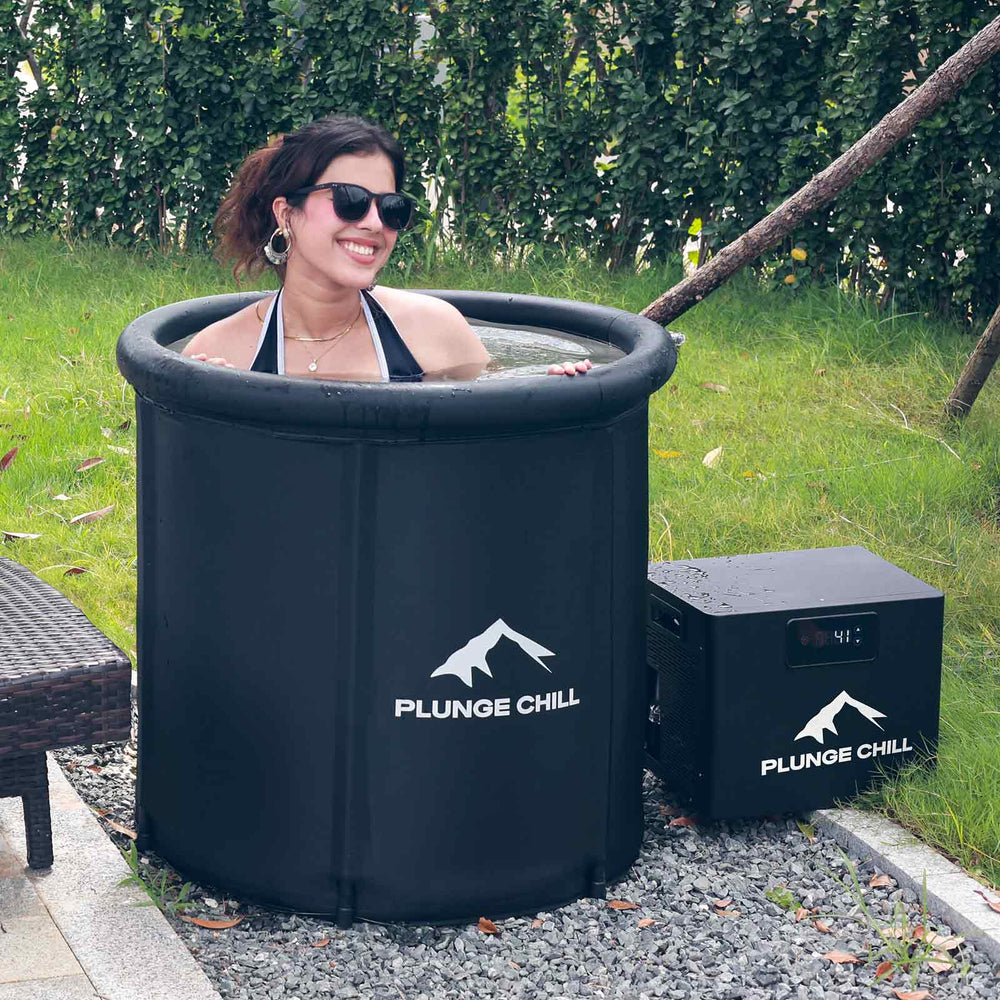
Stepping out of a Korean spa’s hottest room and into a cold plunge pool is one of the most striking contrasts you can create for the body. As a sports rehabilitation specialist and strength coach who also evaluates cold plunge products, I pay attention to two things in that moment: what the contrast does physiologically, and how the space is designed to make that shock feel safe, clean, and even beautiful.
Cold-water immersion has moved from niche spa ritual to mainstream wellness trend, and the science has started to catch up. Medical centers such as Baptist Health, Cleveland Clinic, Mayo Clinic, and academic groups like the University of South Australia and PLOS One have all examined parts of this practice. When you layer those findings on top of a Korean-style hot–cold spa circuit, you get a compelling blend of physiology and aesthetics that can either enhance recovery and mood—or, if misapplied, blunt training gains or increase risk for certain guests.
This article looks at that contrast from three angles: what actually happens in your body as you go from hot spa spaces to a cold pool, how to design the plunge experience so it feels as clean and crisp as it looks, and how to use it safely if you are training hard, rehabbing, or managing medical conditions.
Why Hot–Cold Contrast Feels So Powerful
Korean spas and similar multi-stage facilities are essentially contrast-bathing environments. You move through warm or hot rooms and pools, then finish with a cold-water immersion. Scientific work on contrast bathing and cold-water immersion gives us a solid framework to understand why that sequence feels so intense.
Cold exposure triggers an immediate “cold shock” response. Researchers at Case Western Reserve University describe sharp rises in heart rate, breathing, and blood pressure, along with hyperventilation in the first minutes as the body reacts to the sudden stress. Blood vessels in your limbs constrict, shunting blood toward your core to protect vital organs. Studies summarized in major reviews of cold-water immersion show this vasoconstriction and related cardiovascular stress response clearly.
Heat exposure, by contrast, tends to leave the skin and superficial blood vessels more dilated and flushed. When you step from a very warm spa room into a cold pool, you are asking the vascular system to switch states abruptly. Baptist Health notes that this narrowing of blood vessels in cold water can reduce inflammation and swelling and improve the movement of blood and metabolic waste through tissues. The result is not only a measurable shift in circulation, but a visible aesthetic contrast: skin tone changes, muscle outlines sharpen, and the subjective feeling of “tightness” or “deflation” in puffy limbs is common.
There is also a neurochemical contrast. Cold exposure has been shown to significantly increase dopamine and other catecholamines such as norepinephrine and epinephrine, according to reports cited by Baptist Health, Stanford Lifestyle Medicine, and Huberman Lab. These chemicals are strongly linked to motivation, focus, and mood. Stanford-affiliated work with cold-water immersion and sea swimming has shown decreases in negative emotions such as tension and fatigue after even short sessions in water around the mid-50s Fahrenheit, and the Huberman Lab newsletter summarizes data showing large catecholamine spikes from very brief but intense cold exposure. When that surge follows the sedating effect of prolonged heat, the psychological contrast is dramatic.
Finally, the stress response itself is time dependent. A systematic review and meta-analysis published in PLOS One, summarized by the University of South Australia, found that cold-water immersion can acutely increase inflammatory markers right after exposure but is associated with reduced perceived stress about 12 hours later. In other words, the hot–cold spa session feels intense in the moment but may contribute to a calmer, more resilient state later in the day, assuming it is done safely and not pushed to extremes.
As a coach, I see this in practice when athletes finish a long day of competition with a short hot–cold circuit. Immediately afterward, they describe a “reset” feeling. The next morning, if the protocol and training loads were sensible, they often present with lower muscle soreness and a more switched-on mental state than if they had simply showered and gone to bed.

What the Science Actually Says About Cold Immersion
The wellness world tends to oversell cold water. The clinical and sports science literature is more cautious and nuanced. For cold plunge pools attached to Korean-style spas, it is important to differentiate between three main domains: muscle recovery, systemic health, and mental or emotional effects.
Circulation, Inflammation, and Muscle Recovery
Deliberate cold-water immersion after exercise is one of the longest-standing uses of cold plunges. Baptist Health, Cleveland Clinic, Mayo Clinic Health System, Ohio State University, and multiple reviews all converge on a similar mechanism: cooling tissues lowers local temperature, causes vasoconstriction, slows blood flow, and reduces swelling. On exiting the cold water, rewarming leads to vasodilation and a rush of oxygenated blood back into the muscles, which may help clear metabolites such as lactate and reduce delayed onset muscle soreness.
Cleveland Clinic describes cold plunges as brief ice baths used after physical activity. Their sports medicine experts recommend very short immersions, starting around one to three minutes and generally not exceeding about five minutes, with water that feels uncomfortably cold but is still tolerable, often in the range of roughly 50 to 59°F for beginners, and not below about 40°F. Mayo Clinic Health System echoes that cold plunges around 50°F can reduce exercise-induced muscle damage and soreness and help restore performance the following day, but notes that optimal protocols are still being studied.
Ohio State University highlights the same benefits yet points to an important caveat: several studies show that regular post-lifting ice baths can blunt long-term gains in muscle mass and strength. The explanation is straightforward. Some inflammation and increased blood flow after resistance training are part of the normal adaptation process. Aggressively shutting down that process after every heavy session may reduce the very signaling pathways that stimulate hypertrophy and strength development.
A simple example makes this concrete. Imagine a lifter who trains heavy lower body three times per week and does a five-minute cold plunge at 50°F immediately after each session. Across the week, that is fifteen minutes of intense post-lift cooling. For someone in a strength-building phase, the literature from Ohio State and Mayo Clinic suggests this pattern is more likely to limit long-term progress than enhance it. If the same lifter instead places cold plunges on low-intensity days, or at least six to eight hours away from their heaviest lifting, they are more likely to preserve training adaptations while still enjoying the circulatory and subjective recovery benefits.
For endurance athletes or spa users whose main goals are comfort, reduced soreness, and heat management rather than maximal strength gains, post-session cold immersion appears more favorable. Cleveland Clinic notes that cold plunges are used in sports medicine as field treatment for heat injuries, rapidly bringing down dangerously elevated core temperatures in runners and other athletes. In a Korean spa context, that same cooling capability can feel luxurious after a prolonged stay in very hot rooms, provided duration and temperature are kept within safe ranges.
Metabolic and Immune Effects
Many cold plunge marketing claims revolve around metabolism and immunity. Here, the evidence is mixed and often more modest than the hype.
Cold exposure clearly increases energy expenditure in the short term. Case Western Reserve’s overview points out that shivering and other cold-induced mechanisms can raise metabolic rate severalfold for brief periods. Reviews of voluntary cold exposure note that brown adipose tissue can contribute to heat production, with brown fat and some “browned” white fat cells burning additional calories to keep the body warm. However, one detailed review on regular cold-water immersion emphasizes that the direct energy contribution from adult brown fat is small, on the order of about twenty kilocalories per day in some estimates, roughly equivalent to a couple of minutes of moderate running. That means cold plunge pools should not be sold as primary fat-loss tools; at best, they offer a small metabolic supplement to the much larger effects of nutrition and purposeful training.
Immune effects show a similar pattern of promise with caution. Kaiser Permanente and UCLA Health both reference a PLOS One study in which people who ended daily hot showers with 30 to 90 seconds of cold water reported about twenty-nine percent fewer sick days from work over several months. The PLOS One meta-analysis and the University of South Australia’s systematic review support that figure in their narrative summaries, suggesting that regular, brief cold showers may reduce sickness absence. At the same time, those reviews found no robust short-term changes in standard immune markers immediately or one hour after cold exposure, and they caution that claims of powerful immune enhancement from cold plunges are not yet well supported.
The University of South Australia group also highlights an important nuance: cold-water immersion was associated with a temporary spike in inflammatory markers immediately after exposure, followed by reductions in perceived stress and some improvements in sleep and quality of life. For healthy people, that short acute inflammatory stress may be part of a beneficial adaptation, similar to how exercise first damages and then strengthens muscles. For individuals with inflammatory or cardiovascular conditions, that same spike could be problematic, which is why virtually every medical source, from Baptist Health to Harvard and Mayo Clinic, recommends physician consultation before starting cold-water therapies if you have underlying disease.
Brain, Mood, and Stress Regulation
The “high” after stepping out of a cold pool is one of the most sought-after aspects of the Korean spa contrast experience. Mechanistically, this is one of the best-supported domains, although much of the evidence still focuses on short-term changes rather than long-term mental health outcomes.
Baptist Health describes meaningful increases in dopamine after cold exposure, with many users reporting feeling mentally refreshed and better able to handle stress. Stanford Lifestyle Medicine has summarized several studies in which brief cold baths or sea swims reduced negative emotions such as anger, tension, and fatigue, and increased vigor, alertness, and self-esteem. Immersions as short as five minutes at about 68°F have produced measurable mood shifts in small samples of healthy adults.
The Huberman Lab newsletter extends this with neurochemical detail, noting that deliberate cold exposure can cause strong, sustained increases in dopamine and norepinephrine, along with immediate spikes in epinephrine. In one study they discuss, neck-deep immersion in water around the low 60s Fahrenheit for roughly an hour elevated dopamine for hours afterward. More intense but much shorter immersions, on the order of twenty seconds in very cold water around the high 30s to low 40s Fahrenheit, produced large adrenaline spikes. Huberman’s practical takeaway is to aim for roughly eleven minutes per week of deliberate cold exposure, divided across several short sessions in water that feels very cold yet clearly safe.
At the systems level, a psychoneuroimmunology-oriented review of cold-water immersion frames these responses as a form of “neurohormesis,” where brief, controlled stressors trigger adaptive improvements in nervous system and immune function. That work describes increases in catecholamines, cortisol shifts, endorphin release, and changes in brain network connectivity after cold exposure, contributing to better alertness, energy, and reduced subjective distress.
Balancing the enthusiasm, the PLOS One meta-analysis and the University of South Australia’s release found that, while stress scores tended to be lower about twelve hours after cold exposure, consistent long-term benefits on mood indices such as depression and anxiety were not clearly demonstrated. Stanford Lifestyle Medicine makes the same point: cold immersion looks promising as an adjunct strategy for stress and mood regulation, but evidence does not justify using it as a stand-alone treatment for clinical mood disorders.
Practically, that means the aesthetic and mental “pop” you feel walking out of the Korean spa’s cold pool is real in physiological terms, but it should be viewed as one tool alongside sleep, training, nutrition, and, when indicated, professional mental health care.

Designing the Cold Pool Experience After a Korean Spa Circuit
If you are evaluating or building a cold plunge pool for a Korean-style spa or home setup, the hot–cold contrast is not only physiological. It is architectural and aesthetic. The way the cold pool is shaped, lit, and integrated into the spa journey strongly influences how safe and inviting that plunge feels.
Visual Contrast: Materials, Light, and Clean Lines
High-end cold plunge manufacturers and aquatic design firms highlight stainless steel, copper, and other reflective materials for a reason. Companies such as Diamond Spas emphasize sleek metal finishes that visually differentiate the cold plunge from warmer hot tubs and stone or wood-clad spa rooms. That shimmer matters. A cold pool that looks crisp, deep, and almost clinical in its cleanliness supports the mental transition from languid heat to alert cold.
Design firms like Ramaker, which specialize in health and recreation facilities, frame cold plunge pools as both functional health amenities and luxury markers. They talk about integrating plunge pools seamlessly into spa spaces, using built-in benches, underwater lighting, and carefully chosen materials so the cold pool feels intentional, not like an afterthought. That design clarity helps guests understand that the cold pool is a distinct station in the spa circuit, with its own rules and rewards.
From a rehabilitation and coaching standpoint, I look for cues that encourage deliberate use: clear sightlines so staff can observe guests, steps or ledges that make entry and exit safe even when someone is mildly light-headed, and lighting that allows users to judge depth instantly. When you are asking a tired athlete or an older adult to immerse themselves in water around 50°F or colder, visual trust in the environment is part of risk management.
Functional Contrast: Depth, Temperature, and Duration
Aesthetics aside, the cold pool’s geometry and controls determine whether the spa can deliver evidence-based protocols. Plunge pools marketed for wellness, such as the compact plunge pools highlighted in industry pieces, often feature relatively small footprints but depths of roughly 52 inches, enough for most adults to achieve chest-level immersion in a compact space. That depth matters for Korean spa circuits because most of the systemic cardiovascular and neuroendocrine responses seen in studies come from at least chest-level immersion in water at or below about 59°F.
Temperature and time are the other major levers. Pulling together guidelines from Cleveland Clinic, Kaiser Permanente, Ohio State University, Mayo Clinic Health System, Harvard, and Stanford-affiliated recommendations, a conservative, spa-friendly picture emerges: start warmer and shorter, then progress only as tolerated.
For general healthy spa-goers, baths or plunges in the range of roughly 50 to 60°F for one to three minutes are a reasonable starting point after hot rooms, provided staff screen for obvious contraindications and guests are instructed not to stay in if they feel dizzy, panicky, or numb. Cleveland Clinic advises not going below about 40°F in most settings, and medical centers consistently stress that total time in very cold water should remain short to avoid hypothermia and loss of motor control.
For highly conditioned users training around the spa, a different question matters: timing relative to workouts. Evidence gathered by Ohio State University, Mayo Clinic, and other sports science groups suggests that cold-water immersion immediately after heavy resistance sessions can impair long-term strength and muscle gains, while the same practice for endurance training or purely for comfort is less problematic. As a rule of thumb, athletes focusing on hypertrophy or maximal strength should either place cold plunges on rest or easy days, or separate them from key lifting sessions by at least several hours.
Huberman Lab’s practical guideline of about eleven total minutes of deliberate cold exposure per week gives a useful ceiling. For example, a Korean spa member who uses a two-minute cold plunge three times per week after an easy sauna session accumulates six minutes weekly. If they occasionally extend one of those dips to three minutes, they land around nine minutes per week, in the same ballpark as the eleven-minute target, without pushing toward extreme exposures.
Sensory Contrast and the Aesthetic of Muscle and Skin
One reason cold pools are so visually striking in Korean spas is the way they change the appearance of the body in real time. In the hot rooms, vasodilation and heat leave the skin rosy and soft-edged. In the cold pool, vasoconstriction and the slight tightening of superficial tissues can make muscle contours look sharper and reduce visible swelling in ankles, knees, and hands.
Baptist Health and Cleveland Clinic both note that cold immersion can decrease inflammation and swelling and relieve soreness. Athletes often notice that their feet and lower legs look less puffy after a short cold soak, especially after prolonged standing or training. For spa clients, that aesthetic tightening combines with the sensory jolt of cold to create a feeling of being “wrung out” and renewed.
However, there is a balance to strike. From a rehab standpoint, I do not want a client using cold pools to mask pain that signals a more serious injury, such as a fracture or ligament tear. Cleveland Clinic explicitly cautions against using ice baths to cover up injury pain instead of seeking diagnosis. In a Korean spa environment, signage and staff education should reinforce that message: cold plunges are for recovery, refreshment, and general wellness, not for self-treating acute trauma.
Practical Protocols for Korean Spa–Style Contrast at Home
Home cold plunge pools and compact wellness spas are increasingly common. For athletes and rehab patients, the question is how to adapt the Korean spa-style contrast routine safely in a home setting without a full team of attendants.
A straightforward approach is a short heat phase followed by a brief cold immersion, repeated for one or two cycles. For example, you might spend about ten to fifteen minutes in a hot environment such as a sauna or hot tub at a comfortable but vigorous warmth, cool off briefly in air, then enter a cold pool around the mid-50s Fahrenheit for one to two minutes. After exiting, you dry off, rewarm gradually with ambient heat and clothing, and assess how you feel. On non-lifting days, many of the clinicians and reviews cited above would consider this approach reasonable for healthy users, especially when total time in cold water per session remains under about five minutes.
On strength-focused training days, I advise athletes to separate cold plunging from their heavy lifting. A common pattern is to train in the morning, allow at least six to eight hours for the initial inflammatory and protein-synthesis processes to start, and then use a brief hot–cold circuit in the evening as a relaxation and sleep-support tool. This honors the caution from Ohio State University and Mayo Clinic about blunted hypertrophy while still leveraging the stress-relieving and sleep-promoting potential described in the PLOS One meta-analysis and Stanford-friendly summaries.
For home users tracking their cold exposure dose, the weekly arithmetic is simple. If you do a three-minute cold plunge twice per week, you are at six minutes weekly. Add a third session at two minutes and you are at eight. That is close to the range Huberman Lab discusses, without approaching the extended exposures used in some research studies. The goal is not to “win” a cold tolerance contest; it is to create a sustainable ritual that supports training, mood, and recovery over months and years.

Safety and Contraindications: Who Should Pause Before Plunging
The aesthetic and performance benefits of cold pools come with real risks for certain groups. The same cold shock that feels invigorating to a healthy young athlete can provoke dangerous responses in people with cardiovascular or vascular disease.
Multiple sources, including Baptist Health, Case Western Reserve, Cleveland Clinic, Kaiser Permanente, UCLA Health, Mayo Clinic Health System, and Harvard, all identify similar high-risk categories. These include individuals with known heart disease, arrhythmias, uncontrolled high blood pressure, a history of stroke, significant peripheral artery disease, Raynaud’s phenomenon, cold agglutinin disease, peripheral neuropathy, venous stasis, poorly controlled diabetes, cold urticaria (cold-induced hives), and severe asthma. Older adults, people with very low body fat or muscle mass, and those with a history of panic or severe anxiety may also have higher risk of problematic responses such as arrhythmias, hypothermia, or overwhelming panic in cold water.
A review of regular cold-water immersion in humans highlights that hypothermia remains a leading cause of death among older adults in cold environments, partly because thermoregulatory vasoconstriction and shivering responses become less reliable with age. The same review notes that individuals with low subcutaneous fat cool more quickly in cold water, which is relevant for lean athletes who might otherwise assume they are safe.
Safety-oriented medical articles from Cleveland Clinic, Harvard, UCLA Health, and Mayo Clinic converge on similar practical recommendations. They stress gradual acclimation, starting with cooler but not extreme showers before progressing to immersion. They advise entering cold water slowly to manage the initial gasp reflex and hyperventilation, avoiding solitary plunges whenever possible, and keeping early sessions very short, sometimes as brief as thirty seconds, while focusing on calm breathing. They also recommend measuring water temperature when possible, especially in outdoor settings where water can be much colder than expected, and having warm clothing and a controlled rewarming environment ready.
For Korean spa operators and product designers, these guidelines translate into concrete engineering and policy decisions. Ramaker, for example, emphasizes non-slip surfaces, clear signage, and filtration systems that maintain water quality and temperature control to regulatory standards, along with accessibility features. From a rehab and coaching perspective, I also want clear posted warnings about who should seek medical advice before use, visible timers or staff-guided timing, and a culture that treats cold plunging as a health tool rather than a dare.
A concise way to visualize risk and use is to compare user groups and considerations.
User group |
Key concerns |
Cold-pool focus |
Healthy adults without major disease |
Managing initial cold shock, avoiding overexposure, respecting personal tolerance |
Short, supervised immersions around 50–60°F for one to five minutes, particularly after heat |
Strength and power athletes |
Avoiding blunted long-term strength and hypertrophy adaptations |
Keep cold plunges away from heavy lifting windows; use more on rest or light days |
People with cardiovascular or vascular disease, neuropathy, or high hypothermia risk |
Elevated risk of arrhythmias, dangerous blood pressure spikes, impaired thermoregulation |
Must consult a physician; many will be advised either to avoid or to use only very mild, supervised cold exposure |
Older adults and very lean individuals |
Faster cooling and reduced thermoregulatory reserve |
Use warmer water, much shorter exposures, and strict supervision if cleared medically |
This kind of structured thinking lets spa operators position cold pools as inclusive but not indiscriminate amenities.

FAQ
How cold should a Korean spa–style plunge pool be to feel effective but stay safe?
Most clinical and sports medicine sources cluster around temperatures from about 50 to 59°F for general-purpose cold-water immersion, particularly for beginners. Cleveland Clinic suggests that home cold plunges or ice baths can be done in that range and advises against going below roughly 40°F. Medical sources from Harvard and UCLA Health treat typical cold tap water around 60°F as a reasonable starting point. In a Korean spa context, water in the low to mid-50s Fahrenheit is usually more than cold enough to produce a strong sensation and the desired circulatory and neurochemical responses, especially after hot rooms. There is no need to chase near-freezing temperatures used in extreme polar plunges, which carry substantially higher risk without clear added benefit for typical spa users.
If I lift weights or do intense training at the spa, will a post-spa cold plunge hurt my gains?
Evidence summarized by Ohio State University, Mayo Clinic Health System, and other sports researchers indicates that regular cold-water immersion immediately after heavy resistance training can blunt long-term improvements in muscle size and strength. The mechanism appears to involve dampening of the inflammatory and cellular signaling processes that drive adaptation. For athletes in a strength or hypertrophy phase, I generally recommend avoiding cold plunges in the first several hours after key lifting sessions. Instead, use them on rest days, after lighter training, or later in the day once the initial recovery processes are underway. For endurance-focused training or for athletes in a dense competition schedule who prioritize next-day readiness over maximal long-term gains, post-session cold plunges can be more appropriate, but they should still be kept short and within safe temperature ranges.
Is the hot–cold contrast mainly about feeling good, or does it add real recovery value?
The answer is both, with some qualifications. On the subjective side, there is strong and consistent reporting of improved alertness, reduced perceived stress, and enhanced mood after cold exposure, especially when it follows heat. Stanford Lifestyle Medicine and Huberman Lab highlight substantial increases in catecholamines and dopamine that support these experiences. Objectively, there is reasonable evidence from Cleveland Clinic, Mayo Clinic, and multiple exercise studies that cold-water immersion can reduce short-term muscle soreness and help restore performance the next day, particularly for endurance or mixed-sport athletes. However, systematic reviews such as the PLOS One meta-analysis and the University of South Australia’s work caution that long-term health and mood benefits are less certain, and that cold plunges are best viewed as adjuncts to, not replacements for, foundational practices like sound training, sleep, and medical care when needed.
The aesthetic drama of stepping from a Korean spa’s hottest room into a gleaming cold pool is more than a visual trick. It reflects deep shifts in circulation, neurochemistry, and perception that, used wisely, can complement serious training and rehabilitation. As with any powerful tool, the value lies in dosing and context. For most healthy people, a clean, well-designed cold pool at a sensible temperature, used briefly and thoughtfully after heat, offers a sharp-edged but sustainable way to recover and reset. For those with medical conditions or high performance goals, layering in medical guidance and intelligent scheduling turns that same plunge from a risky stunt into a precisely calibrated part of a long-term health and performance plan.
References
- https://lms-dev.api.berkeley.edu/cold-baths-benefits
- https://case.edu/news/science-behind-ice-baths-and-polar-plunges-are-they-truly-beneficial
- https://www.health.harvard.edu/staying-healthy/the-big-chill
- https://pubmed.ncbi.nlm.nih.gov/39879231/
- https://lifestylemedicine.stanford.edu/jumping-into-the-ice-bath-trend-mental-health-benefits-of-cold-water-immersion/
- https://sncs-prod-external.mayo.edu/hometown-health/speaking-of-health/cold-plunge-after-workouts
- https://health.osu.edu/wellness/exercise-and-nutrition/do-ice-baths-help-workout-recovery
- https://healthcare.utah.edu/healthfeed/2023/03/cold-plunging-and-impact-your-health
- https://today.wayne.edu/news/2021/03/22/is-cold-water-swimming-good-for-you-41963
- https://health.clevelandclinic.org/what-to-know-about-cold-plunges