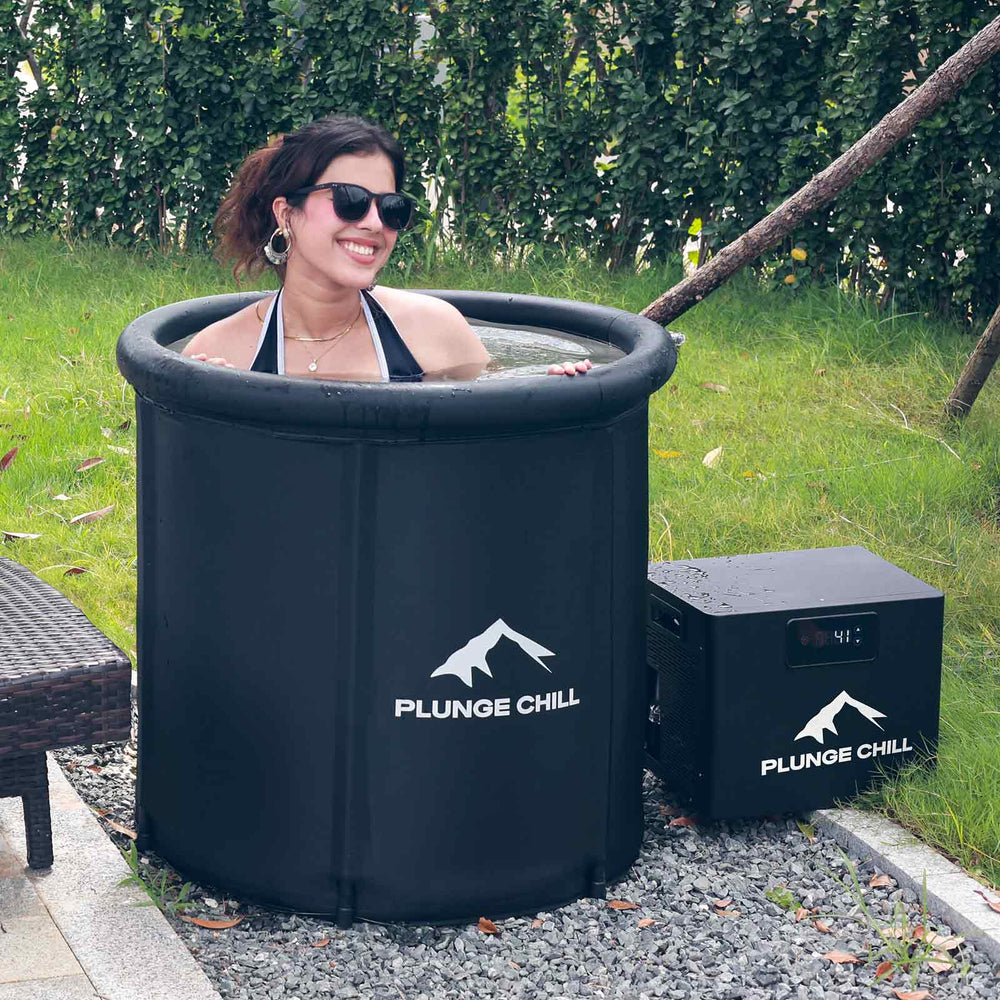
As a sports rehabilitation specialist, strength coach, and cold plunge product reviewer, I have watched cold therapy move from a basic ice bag on the sideline to a full ecosystem of cold plunges, cryo-chambers, and smart compression sleeves. What used to be a simple “throw some ice on it” decision is now a strategic lever that can change how you recover, adapt to training, and manage chronic pain.
Heading into 2026, the science is clear on one point: cold is powerful, but only when you match the method, timing, and dose to a specific goal. The trends below are driven by clinical research from major hospital systems, sports medicine centers, and peer‑reviewed reviews in journals and PubMed Central, not by social media hype.
In this article, I will walk through five major shifts in cold therapy, how the evidence is evolving, and what it means for your training, recovery, and equipment choices if you are serious about performance and long-term joint health.
Shift 1: From “Ice Everything” to Goal-Directed Cold Exposure
For decades, the default advice after any ache or injury was some version of RICE: rest, ice, compression, elevation. Guidance from Cleveland Clinic describes that framework as a first-line strategy for acute soft-tissue injuries, with ice used early and intermittently to control pain and swelling. Similarly, resources from hospital systems such as Houston Methodist and Hospital for Special Surgery emphasize ice during the first day or two after an acute sprain or strain when the joint is visibly swollen, warm, or red.
What has changed is that we now have better evidence that timing and context matter. Cold therapy is not a universal “good” for all situations.
Acute injury versus chronic pain
In the first hours after a ligament sprain or muscle strain, cold constricts blood vessels, slows inflammatory processes, and numbs nerve endings. Multiple sources, including Cleveland Clinic and the University of Rochester Medical Center, describe cold as most useful in this early window for reducing pain and visible swelling around joints and tendons.
A review of cold acclimation therapy on PubMed Central notes that local cryotherapy in acute postoperative settings can significantly reduce pain scores and swelling within the first 24 to 48 hours after surgery, and that traditional ice or cold packs are effective, low-cost tools for early postoperative swelling.
Once you move beyond that initial inflammatory window, the physiology and the goals change. Heat therapy, as outlined by orthopedic groups such as NOSSMD and AOA Ortho, improves blood flow, relaxes stiff muscles, and can be more effective for chronic low back pain, lingering neck tension, or long-standing joint stiffness. Hospital for Special Surgery highlights a similar pattern: ice during the first one to two weeks of an acute injury when inflammation is dominant, then heat if stiffness and chronic pain persist.
For chronic conditions like arthritis, content from psoriatic arthritis foundations and orthopedic practices suggests heat to loosen stiff joints on most days, with cold reserved for acute flares marked by warmth and swelling.
A practical real-world example helps illustrate the shift. Suppose you sprain your ankle during a pickup game and it swells immediately. Over the first two days, using a cold pack for about 10 to 20 minutes every couple of hours, combined with compression and elevation, matches the RICE evidence from Cleveland Clinic and URMC. By day five, visible swelling is down but stiffness remains. At this point, switching to short bouts of heat to improve range of motion aligns better with guidance from Houston Methodist and AOA Ortho than continuing to ice reflexively.
Recovery versus adaptation in training
The “ice everything” habit has also been challenged in the weight room. Mayo Clinic Health System notes that cold-water immersion after intense exercise can reduce muscle damage, inflammation, and soreness, helping restore performance by the next day. A systematic review in the journal Sports Medicine found that cold water immersion around the low 50s°F reduces delayed onset muscle soreness (DOMS) more than passive recovery in the first 24 hours.
However, the same Mayo Clinic Health System article and a 2019 study summarized by Recoverie NYC warn that frequent cold exposure immediately after resistance training can blunt molecular signaling pathways responsible for muscle growth and strength gains. In other words, if your main goal is long-term hypertrophy or strength, using an ice bath after every lifting session may actually work against you.
On the other hand, a randomized trial summarized by Carrell Clinic, where athletes performed squats then received either heat or cold immediately and again at 24 hours, found that any thermal therapy (heat or cold) led to only about a 4 percent strength loss, compared with 24 percent strength loss in those who received no therapy. In that study, heat was better right away for restoring strength, while cold was superior for pain relief both immediately and at 24 hours.
A simple example clarifies how to use this information. Imagine you are in a six-week strength block, lifting three days per week, and playing in a recreational tournament on Saturday. For your standard lifting sessions, you might avoid cold plunges right after training to preserve long-term adaptation, relying instead on active recovery and sleep, as recommended by sports medicine clinics such as SportsMed Rockies. After the Saturday tournament, when immediate recovery matters more than muscle growth signals, a 10 to 15 minute immersion in 50 to 59°F water is a strategic tool to restore performance and manage soreness before Monday.
The key change heading into 2026 is that cold is no longer assumed to be good in every context. Instead, you first define the goal—pain control, next-day readiness, or long-term adaptation—and only then decide if cold helps or hurts.

Shift 2: From Ice Packs to Systems: Plunges, Cryo-Chambers, and Cooling Garments
Fifteen years ago, most athletes had two realistic options: a bag of ice or a trash can filled with cold water. Today, the cold therapy landscape includes at-home plunge tubs, portable cold therapy machines, nitrogen-cooled whole-body cryotherapy (WBC) chambers, and even circulating cooling garments. A comprehensive review on PubMed Central notes that about 85 percent of professional sports teams now incorporate cryotherapy, using tools such as ice baths and cold compression devices, into their regular recovery plans. In contrast, only about 60 percent of medical institutions have standardized clinical protocols for cold therapy, highlighting how quickly sport has adopted these systems.
To make sense of the new equipment, it helps to compare the main modalities and their evidence.
Modality |
Typical temperature (°F) |
Typical session length |
Primary use cases |
Main advantages |
Key drawbacks |
Ice or gel packs |
Freezer cold (variable) |
10–20 minutes |
Local acute injuries, joint swelling, headaches |
Very low cost, easy to apply exactly where needed, strongly supported in acute injury guidelines |
Uneven cooling, easy to over-ice if left on too long, no compression unless combined with wraps |
Cold water immersion / ice bath |
Roughly 50–59°F |
About 10–15 minutes |
Post-match or post-workout whole-limb and whole-body recovery, heat stress |
Uniform cooling, hydrostatic water pressure may aid circulation; evidence from Sports Medicine meta-analyses and clinics like OrthoCarolina and SportsMed Rockies shows reduced soreness and better short-term performance recovery |
Uncomfortable, logistically messy, can blunt strength and hypertrophy signals if used immediately after lifting |
Home cold plunge tanks |
Often set around 50°F or slightly below |
Typically 2–10 minutes |
Daily or near-daily cold exposure for recovery, mood, and resilience |
More precise and convenient than improvised baths, no constant bag of ice; Mayo Clinic Health System notes potential for consistent recovery and resilience benefits |
Significant upfront cost (Mayo reports some units up to about $20,000), requires maintenance, same physiological pros and cons as other cold water immersion |
Circulating cold therapy machines |
Chilled water through pads at controlled temperature |
About 15–30 minutes |
Post-surgical joints, focal soft-tissue injuries |
Clinic-grade temperature control and coverage around a joint, can pair with compression as Orthobracing describes |
Unit and consumables cost, setup complexity, mainly local rather than whole-body effect |
Whole-body cryotherapy chamber |
Extremely cold air, often around minus 200°F or lower |
Usually 2–3 minutes |
Elite sports recovery, pain management adjunct, wellness programs |
Very rapid, systemic exposure; PubMed Central and Healthy Longevity Clinic reports suggest 30–40 percent faster soreness reduction and favorable changes in inflammatory markers with structured protocols |
Requires specialized facility, expense, variable evidence; Cochrane analysis summarized by OrthoCarolina judged evidence insufficient for DOMS prevention; potential cardiovascular risks noted by Mass General Brigham and Healthy Longevity Clinic |
Cooling garments / suits |
Circulating coolant to manage body temperature |
Used during work or exertion in heat |
Occupational safety (firefighters, military, industrial workers), performance in heat |
PubMed Central review reports lower core temperature, improved cognitive performance, and reduced physiological strain in high-heat environments |
Mostly specialized gear; applies more to heat stress than classic post-exercise recovery |
From a product-review standpoint, the most meaningful differentiator is not the marketing claim but the degree of control over temperature, duration, and coverage. Research cited by Orthobracing and URMC emphasizes that safe home cold therapy typically means 15 to 20 minute sessions, sometimes up to 30 minutes depending on the body area, with a cloth barrier and sufficient time for the skin to rewarm. Devices that hold water or circulating fluid in a narrow temperature range in the low 50s°F and allow you to set session duration take a lot of user error off the table.
Cost-benefit calculations are also shifting. Mayo Clinic Health System notes that some cold plunge tanks cost up to about $20,000. If someone buys a $10,000 tub and uses it five times per week for five years, that is roughly 1,300 sessions, translating to about $7.70 per plunge before maintenance or energy costs. For an NFL or NBA organization, that is trivial. For an individual athlete, you need to ask whether those dollars might yield more benefit if invested in coaching, nutrition, or medical screening.
By 2026, I expect to see further convergence between clinical cold therapy devices and consumer cold plunge products: better temperature control, built‑in timers, and more realistic protocols based on evidence from sports medicine, orthopedic surgery, and cryotherapy research rather than generic “stay in as long as you can” challenges.

Shift 3: From Pain Relief Only to Performance, Inflammation, and Brain
Most athletes first meet cold therapy as pain relief. A review on PubMed Central reports large effects of cryotherapy on acute postoperative pain, including standardized mean differences around minus 1.84 to minus 1.96 for chest-tube removal when cold is applied compared with no cold, and substantial reductions in pain and swelling after breast-conserving surgery and wisdom tooth extraction. In rheumatoid arthritis, a four-week joint cooling protocol reduced pain scores by 42 percent and increased joint mobility by 28 percent. If a patient starts with a pain rating of 7 out of 10 on a visual scale, a 42 percent reduction would bring that down to roughly 4, which in clinic often marks the difference between avoiding and tolerating daily activities.
But pain relief is no longer the only lens.
Performance and recovery
Whole-body and local cold therapies have meaningful short-term performance implications. The PubMed Central review notes that athletes using whole-body cryotherapy after high-intensity training or competition experienced 30 to 40 percent faster relief of muscle soreness and reductions in serum creatine kinase, a marker of muscle damage. In professional basketball players, local cryotherapy after training shortened the recovery time from muscle fatigue by about 25 percent and improved performance scores.
Mass General Brigham describes cryotherapy as a stressor that triggers an “emergency reaction,” driving blood toward the core and altering hormones and neurotransmitters, including dopamine and testosterone, while lowering stress hormone levels like cortisol. Post-exercise cold-water immersion has been linked to reduced perceived soreness and better muscular power on subsequent tests.
For DOMS specifically, a systematic review and meta-analysis registered on PROSPERO and published in 2021 analyzed 32 randomized controlled trials with over a thousand participants. Both cold and heat therapies applied within an hour after exercise reduced DOMS pain, but neither clearly outperformed the other overall. Cold water immersion reduced pain within 24 hours, and heat via hot packs showed strong pain reductions that persisted beyond 24 hours. Heat packs in particular were associated with some of the largest effect sizes among the thermal options studied.
This means that for most gym goers and field-sport athletes, the choice between cold and heat for DOMS can be guided by preference and context. If you are in a tournament setting where next-day performance is priority, the rapid analgesic effect and inflammation control from a post-match cold plunge is attractive. If you are between training days and dealing mostly with stiffness and lingering soreness, a targeted hot pack session may give more persistent comfort without the discomfort of a long ice bath.
Inflammation and systemic effects
The PubMed Central review on cold acclimation therapy also highlights anti-inflammatory and immune-modulating effects beyond local joints. In animal models, cold reduced allergic skin inflammation, ear swelling, and eosinophil infiltration, along with serum IgE and inflammatory cytokines. In humans, cold exposure has been associated with enhanced mobilization of CD8+ T cells and natural killer cells following exercise, suggesting a role in modulating recovery from exercise-induced inflammation.
Recoverie NYC synthesizes research on cold water swimmers and cold showers, reporting roughly 40 percent lower respiratory tract infection incidence in regular cold-water swimmers and about 29 percent fewer sick-day absences in a study of people taking cold showers. The same article describes large acute increases in dopamine and norepinephrine after short exposures to water below 59°F, which may underpin the improved mood, focus, and “post-plunge euphoria” many people report. A 2023 study they cite found just five minutes in 68°F water improved feelings of alertness, pride, and inspiration.
Healthy Longevity Clinic also reports that a series of around ten whole-body cryotherapy sessions can improve blood lipids, reducing triglycerides and low-density lipoprotein while increasing high-density lipoprotein, particularly when combined with exercise, and may lower cortisol levels.
When you combine these findings, a pattern emerges: cold therapy is evolving into a systemic tool that touches pain, inflammation, recovery, mood, and cardiometabolic risk factors. The caveat is that much of the data comes from small studies and specific populations (such as athletes or cold-water swimmers), so we still need larger, long-term trials. But from a coaching and rehab perspective, it explains why many athletes feel that structured cold exposure helps them not only hurt less, but also train and live with a different level of mental and physical resilience.
A simple calculation illustrates the potential impact in team settings. If a professional league has 30 teams and the PubMed Central review is correct that about 85 percent of teams now include cryotherapy in regular recovery plans, that implies roughly 26 teams using some form of cold exposure routinely. That level of adoption does not prove causation, but it does signal that performance-driven organizations see enough benefit to keep cold as a core recovery tool.

Shift 4: From Heat Versus Cold to Strategic Combination and Contrast
For years, athletes and patients have asked a binary question: “Should I use heat or ice?” The more sophisticated 2026 version is, “When, in what sequence, and for which tissue state should I use heat and cold?”
Several reputable sources converge on a stage-based framework. Cleveland Clinic’s RICE guidance and Houston Methodist emphasize ice for acute, inflamed, visibly swollen injuries—especially in the first one or two days. Hospital for Special Surgery and NOSSMD then recommend transitioning to heat for chronic stiffness or once major swelling has subsided, because heat dilates blood vessels and improves circulation. Arthritis resources point to the same pattern: ice during flares, heat on most other days.
Contrast therapy, alternating cold and heat, is increasingly recognized as a hybrid strategy. NOSSMD describes a pattern for new injuries in which cold is used during the first 48 hours to control swelling, then heat is added to restore blood flow and muscle relaxation. A typical contrast schedule they outline involves about 10 to 15 minutes of ice, a break, then 15 to 20 minutes of heat. Orthopedic sources like AOA Ortho and Novant Health echo that alternating cold and heat can be especially effective for exercise-induced pain and osteoarthritis, using cold to decrease pain and swelling, then heat to bring in nutrient-rich blood.
The DOMS meta-analysis adds another layer. It found that cold and heat both work when applied within an hour after exercise, with hot packs showing particularly strong and lasting pain reduction. The randomized study summarized by Carrell Clinic shows that cold was superior for subjective pain, but heat was superior immediately for strength recovery, and that any thermal therapy was better than none for preserving strength.
A practical example makes this tangible. Consider a soccer player who has a moderate ankle sprain on Sunday:
During the first two days, cold packs every couple of hours, limited to about 10 to 20 minutes with elevation and compression, align with Cleveland Clinic and URMC recommendations and can reduce early pain and swelling.
By midweek, the ankle is less swollen but stiff. At that stage, adding short heat sessions before rehab exercises, as suggested by NOSSMD and AOA Ortho, can improve tissue extensibility and comfort during supervised loading.
As the player returns to training and experiences exercise-induced soreness rather than acute swelling, a contrast routine on heavier days—brief cold immersion in the low 50s°F followed by a warm soak or hot pack session—reflects the combined recommendations of NOSSMD, Novant Health, and sports medicine clinics.
The lesson for 2026 is that heat and cold are not competing therapies but complementary tools. Instead of arguing which is “better,” top programs are sequencing them across the life cycle of an injury or training cycle, choosing based on the current tissue state (inflamed versus stiff), the time point (immediately after exercise versus the following day), and the athlete’s primary goal (pain relief versus performance versus long-term adaptation).

Shift 5: From Casual DIY to Screened, Personalized Protocols
As cold plunges move from elite training rooms to home garages, the risks of unsupervised, one-size-fits-all use become more relevant. Almost every medical source in the literature emphasizes that cold is a physiological stressor, not a spa toy.
The PubMed Central review on cold acclimation therapy highlights several challenges: there is wide individual variability in response to cryotherapy, a lack of standardized protocols for indications, temperature, and duration, and potential adverse effects, especially cardiovascular stress with extreme cold. It notes that extreme low temperatures can trigger cardiovascular strain and that not all patients tolerate whole-body cryotherapy well, underlining the need for personalized treatment plans.
Healthy Longevity Clinic outlines specific contraindications for whole-body cryotherapy, including cardiovascular and circulatory diseases, cold intolerance, certain respiratory disorders, nervous system diseases, and claustrophobia. Mass General Brigham warns that nitrogen-cooled cryo-chambers reaching around minus 200°F can provoke intense autonomic responses, with risk of dizziness, fainting, and tissue damage if exposures are too long or poorly supervised. OrthoCarolina cites a Cochrane Review that found insufficient evidence to support whole-body cryotherapy for muscle soreness prevention, and points out that adverse events often stem from unsupervised or misused equipment.
Even simpler methods carry risks. URMC and Cleveland Clinic stress never applying ice directly to skin, limiting sessions to about 10 to 20 minutes, and using extra caution in people with diabetes or neuropathy because they may not feel early tissue damage. OrthoBracing and NOSSMD both urge caution or medical guidance for individuals with Raynaud’s phenomenon, circulatory disorders, or pregnancy, and emphasize stopping treatments if numbness, severe pain, or skin color changes occur. Recoverie NYC adds that cold water immersion can induce cold shock, with abrupt spikes in heart rate and blood pressure, and that hypothermia and frostbite are risks when time and temperature are not controlled. Mayo Clinic Health System specifically advises people with cardiovascular risk factors such as high blood pressure or known heart disease to consult their physician before starting a cold plunge routine.
In my own practice, when an older strength athlete with hypertension asks about installing a cold plunge, we treat it similarly to adding high-intensity intervals: we clear it with their cardiologist, start with very short exposures (sometimes under a minute) in water closer to the high 50s°F, and progress only if blood pressure, recovery, and subjective response look favorable.
A simple calculation reinforces why personalization matters. Suppose a cold plunge protocol calls for 10 minutes at 50°F. If a person with borderline blood pressure experiences a spike that makes them lightheaded at minute three, the “ideal” protocol for that individual is now actually harmful. Reducing time to two or three minutes or choosing local cold therapy on the affected limb instead of full-body immersion may deliver much of the benefit with less systemic stress.
Going into 2026, the leading edge of cold therapy is not colder temperatures or longer exposures. It is smarter screening and prescription: integrating medical history, training goals, and individual responses to decide who should use cold, which modality is appropriate, and how to progress safely. Clinics like Healthy Longevity and sports medicine centers emphasize pre-treatment evaluation and ongoing monitoring rather than stand-alone cold exposure without context.

FAQ
Is a daily cold plunge a good idea if I lift for strength?
Evidence from Mayo Clinic Health System and Recoverie NYC suggests that cold-water immersion in the low 50s°F can reduce muscle damage, inflammation, and soreness and help restore performance by the next day. At the same time, the same sources caution that doing a cold plunge immediately after resistance training, especially on a daily basis, may blunt some of the molecular signals needed for muscle growth and strength adaptation.
If your main goal is strength or hypertrophy, a more strategic approach is to avoid plunging right after most lifting sessions. Daily cold exposure can be shifted to mornings or to days focused on lower-intensity work or endurance training, where the evidence does not show the same negative effect on adaptations. On competition days or in short congested schedules where next-day readiness matters more than maximal long-term gains, post-event plunges make more sense. The pattern is similar to how you would use nonsteroidal anti-inflammatory drugs: valuable when needed, but not ideal as a reflexive daily habit around every lift.
Are cryotherapy chambers better than ice baths?
From a physiological standpoint, whole-body cryotherapy chambers and ice baths both aim to create rapid, controlled cold stress. Whole-body chambers use extremely cold dry air, often around minus 200°F, for very short exposures of two to three minutes, while ice baths and cold plunges use water around 50 to 59°F for 10 to 15 minutes.
Research summarized by PubMed Central, Mass General Brigham, Healthy Longevity Clinic, and OrthoCarolina suggests that both methods can reduce soreness and may improve some inflammatory or recovery markers, but the evidence base for cold water immersion is stronger and more consistent, especially for DOMS. A Cochrane review cited by OrthoCarolina concluded that available studies were insufficient to firmly support whole-body cryotherapy for preventing or treating muscle soreness.
In practice, ice baths and cold plunges are more accessible, better studied, and rely on wet cold and water pressure, which many field sports have used successfully for decades. Whole-body cryotherapy offers a faster, drier experience and may appeal for systemic effects, but it is more expensive and requires strict supervision due to the extreme temperatures and cardiovascular stress. For most athletes, an evidence-based, well-controlled cold plunge is a more reliable baseline, with cryo-chambers as an optional add‑on rather than a necessity.
Cold therapy has come a long way from a bag of ice on the sideline. As a rehab specialist and strength coach, what I see working best in 2026 is not the most extreme temperature or trendiest tub, but thoughtful programming: acute injuries cooled early and briefly, chronic stiffness warmed strategically, cold and heat sequenced across the training week, and plunges or cryo used with the same intention and respect you give to heavy lifts or hard intervals. If you align your cold strategy with your goals and your physiology, cold stops being a fad and becomes a durable tool in your performance and recovery toolkit.
References
- https://pubmed.ncbi.nlm.nih.gov/33493991/
- https://www.urmc.rochester.edu/encyclopedia/content?ContentTypeID=134&ContentID=95
- https://www.hss.edu/health-library/move-better/ice-or-heat
- https://www.novanthealth.org/healthy-headlines/heat-and-cold-therapies-are-hot-heres-what-you-need-to-know
- https://my.clevelandclinic.org/health/treatments/rice-method
- https://www.hopkinsmedicine.org/health/treatment-tests-and-therapies/cryotherapy-cold-therapy-for-pain-management
- https://www.mayoclinichealthsystem.org/hometown-health/speaking-of-health/cold-plunge-after-workouts
- https://www.houstonmethodist.org/blog/articles/2020/nov/ice-vs-heat-when-to-use-which-for-aches-pain/
- https://www.massgeneralbrigham.org/en/about/newsroom/articles/cryotherapy-for-athletes
- https://www.physio-pedia.com/Cryotherapy