Cold exposure has moved from locker-room folklore to a structured recovery tool for cyclists. As a sports rehabilitation specialist, strength coach, and cold plunge product reviewer, I use cold immersion strategically with athletes from time-crunched beginners to stage racers managing heavy blocks. The aim of this article is to translate the current research—ranging from position statements to laboratory trials—into clear, practical guidance that helps you ride more, recover better, and protect the adaptations you train for. The conversation is nuanced. Some studies show performance and soreness benefits in specific contexts, while other work warns about blunting long-term strength gains. Context, timing, temperature, and your training goals matter.
What Cold Therapy Means for Cyclists
Cold water immersion—often called an ice bath or cold plunge—refers to partially or fully submerging in cold water for short bouts. Typical recovery-focused exposures use water around 50–59°F for several minutes. Variations include brief cold showers, whole-body cryotherapy in very cold air, and mixed strategies like contrast water therapy. In endurance sport, cold therapy is generally used after hard rides, during multi-day events, or in hot, humid conditions when thermal strain is a performance limiter. Some athletes also use short, controlled cold exposures on rest days for mood and alertness.
Two additional terms show up in heat-focused research and are very relevant to cyclists. Precooling means cooling before exercise to expand heat storage capacity. Percooling refers to cooling during exercise to blunt the ongoing rise in core temperature. Both tactics have meaningful evidence in hot environments and can complement post-ride immersion when temperatures and humidity are high.

How It Works: Physiology in Brief
Cold constricts blood vessels, reduces tissue metabolism, and dampens peripheral nerve transmission, which collectively reduce swelling and pain after strenuous efforts. When you rewarm, vessels dilate and circulation increases, aiding oxygen delivery and waste transport. In addition to temperature, immersion itself applies hydrostatic pressure that shifts fluid centrally and can improve cardiac output at a given effort, an effect that mimics aspects of active recovery without further muscular stress. This pressure effect explains why even temperate immersion can sometimes help recovery. Several groups also report transient changes in neurotransmitters such as norepinephrine, which can heighten alertness, and downstream endocrine and autonomic effects that many athletes perceive as improved readiness.

What the Evidence Actually Shows
The literature on cold therapy is mixed because different studies use different temperatures, durations, and populations, and they target different outcomes. For cyclists, there are several useful patterns.
Endurance recovery and next‑session performance
Evidence is strongest for short-term recovery benefits after prolonged or hot rides, particularly when athletes face a second session soon after. A frequently cited practice range places water around 50–60°F for about 10 minutes, which aligns with summaries from ACSM and sports medicine sources. In hot and humid conditions, a review summarized by a cold-plunge manufacturer’s article points to improvements in short sprints and time-trial work relative to active recovery, consistent with the idea that limiting heat strain helps subsequent efforts in the same day.
A small time-to-exhaustion cycling study described by a performance brand reported that a single 10-minute immersion at about 41°F up to the hips immediately after a hard ride increased time to exhaustion by roughly one-third versus seated rest. This study’s sample was limited to male cyclists and used a specific lab protocol, which means generalization is uncertain. The reported oxygen uptake changes suggest better oxygen utilization in the next effort, although exact mechanisms remain debated.
A running crossover trial indexed in PubMed Central found that post-exercise immersion at about 59°F likely improved subsequent performance several hours later, and a warmer immersion around 82°F possibly helped as well, while hot immersion around 100°F was unclear. The observation that temperate water may still aid recovery is an underappreciated nuance for cyclists who dislike very cold plunges or do not tolerate them well. It aligns with hydrostatic and thermoregulatory mechanisms that are not purely temperature dependent.
Strength and hypertrophy trade‑offs
Multiple clinical sources, including Ohio State Health and ACSM, note that cold immersion can blunt molecular signals important for strength and muscle growth when done immediately after lifting. A 2015 trial reported smaller gains in strength and muscle size with immediate post-exercise cold compared with low-intensity active recovery over a training block. For cyclists, this matters on days you lift heavy or during off-season phases focused on muscle. Timing is the lever: delaying immersion by several hours preserves more of the anabolic signaling while still delivering pain relief later the same day. Endurance adaptations appear less sensitive to cold exposure, but high-force sprint neuromuscular work can be impacted if immersion is used too close to the session.
Heat, humidity, and the pre/per‑cooling advantage
In hot environments, precooling and percooling improve endurance performance across multiple syntheses. Internal cooling via ice-slush ingestion and menthol lowered pre-exercise core temperature and improved one-hour cycling performance in hot and humid conditions in a small pilot trial, with the most robust gains seen when cooling began a full hour before riding and continued during the effort with very cold fluids. The benefit trajectory lines up with the physics of heat storage and perception of thermal strain. Notably, this approach does not require immersion and can be logistically simpler for races in the heat. Conversely, pre-cooling can impair single-sprint performance in cool conditions because cold muscle produces less power, which is a critical distinction for track cyclists and sprinters.
Reconciling conflicting sources
Some practitioner commentaries argue that athletes feel better after cold therapy but do not consistently perform better. Mixed results stem from differences in definitions and outcome windows. Endurance work in heat responds positively to cooling that reduces thermal strain in the next hours. Strength and hypertrophy outcomes across weeks respond negatively to immediate cold because early inflammatory signaling is part of the adaptive process. Sprint power can drop if muscles are cooled too far, too close to the session. Studies also vary by region, training status, and whether they assess perception, biomarkers, or performance. When you align temperature, timing, and training goal, the literature coheres more than it first appears.

Practical Protocols by Goal and Scenario
Cyclists ride in diverse conditions and mix endurance, tempo, and strength. The following decision table summarizes evidence-aligned options without turning recovery into a second job. Water temperatures are presented in Fahrenheit only to match practical usage in the United States.
|
Scenario or Goal |
Water Temp (°F) |
Duration |
Timing vs Session |
Rationale and Evidence Note |
Source |
|
Back-to-back rides in heat or a stage race |
50–59 |
About 10 minutes |
Soon after finishing |
Limits thermal strain, soreness, and may preserve neuromuscular function for the next bout the same day |
ACSM; review summarized by a cold-plunge brand citing endurance data |
|
Two-a-days in temperate weather |
59–82 |
About 15 minutes |
Within 1–2 hours after first ride |
Cooler helps; temperate immersion may still aid recovery via hydrostatic and mild cooling effects |
PubMed Central running crossover trial; ACSM |
|
Heavy lifting or sprint‑power day |
50–59 |
10–15 minutes |
Delay 4–6 hours or even 24–48 hours if hypertrophy is the priority |
Avoids blunting early anabolic signaling while retaining analgesia later |
Ohio State Health; ACSM; Journal of Physiology trial |
|
Pre-race in hot, humid conditions |
Not immersion; internal ice slush and menthol drinks near 30 and 37 |
Dosed over 60 minutes before, continue during |
Start 60 minutes pre‑ride; continue during |
Lowers core temperature and thermal sensation; helps performance in heat |
PubMed Central pilot; cooling overviews |
|
High-cadence neuromuscular drills in cool conditions |
Avoid pre-ride cold; consider warmup emphasis |
— |
— |
Cold exposure before sprints can lower peak power; keep muscles warm |
Cooling overview (sport-specific effects) |
|
Mood/energy without training interference |
50–59 |
1–5 minutes, progress cautiously |
Morning on rest or easy days |
Catecholamine boost reports with morning exposures; late-day cold may disrupt sleep in some athletes |
ACSM; clinical guidance |
Temperatures for beverages in the internal cooling row reflect very cold slush near 30°F and cold water around 37°F used in the referenced pilot. Implementing this approach requires careful dosing to avoid gastrointestinal distress and should be tested in training rather than on race day.
Method Options: Showers, Ice Baths, and Cryotherapy
Cyclists have multiple routes to cold exposure. Cold showers are the most accessible, especially for those new to the stimulus or without gear; they deliver variable skin cooling but less uniform muscle temperature drop compared with immersion. Ice baths and purpose-built cold-plunge tubs produce more consistent cooling and hydrostatic pressure, creating deeper tissue changes with reliable dosing. Whole-body cryotherapy exposes the body to extremely cold air—approximately −166 to −220°F—for a few minutes and is fast and tolerable, though access and cost limit routine use; it is also not cleared for medical treatment and evidence remains mixed for performance outcomes relative to immersion.
|
Method |
Typical Dose |
Access and Cost |
Strengths |
Limitations |
Reference Notes |
|
Cold shower |
Start with 30–60 seconds; progress to several minutes |
Home-ready and free |
Easy entry, mood/alertness benefits, good for habit formation |
Uneven cooling; less hydrostatic pressure and tissue penetration |
Coach Pav; Mayo Clinic |
|
Ice bath / cold plunge |
About 5–15 minutes around 50–59°F |
Bathtub with ice or dedicated chiller; premium units up to $20,000 |
Reliable dosing, hydrostatic pressure, deeper tissue effects |
Logistics, tolerance, and safety considerations |
ACSM; Mayo Clinic |
|
Whole‑body cryotherapy |
About 2–3 minutes in very cold air |
Specialty facility |
Fast, comfortable air exposure, reported soreness relief |
Limited availability, cost, mixed evidence for performance |
Coach Pav; medical sources noting non‑approval for recovery claims |
A practical, overlooked insight for riders is that temperate immersion closer to the low 80s can still assist recovery in some contexts. The finding comes from crossover work where performance several hours later was possibly better than sitting at room temperature, even without an extreme temperature drop. The mechanism likely blends hydrostatic pressure and mild thermal effects rather than the severe vasoconstriction of very cold water.
Programming Cold Therapy Into Your Week
Recovery tools should enhance your plan, not replace fundamentals. Position cold exposure around your key training priorities. On weeks dominated by endurance in heat or stacked sessions, use 10 minutes around 50–59°F right after the hardest ride to reduce soreness and maintain output later that day. On weeks emphasizing gym work or sprint capacity, delay cold by at least several hours—often into the evening—to protect the neural and anabolic signals you want from lifting and high-force efforts. Short morning exposures on easy days can boost alertness without colliding with afternoon strength work. Many cyclists find that late-night plunges make it harder to fall asleep; this varies by individual, so track your sleep for a week whenever you change timing. If your event involves heat, test internal cooling strategies well before race day. Riders with sensitive stomachs should scale the volume of ice slurry and use small, repeated sips to balance cooling with comfort.
Risks, Contraindications, and Safety
Cold therapy is potent. The same physiological responses that help your legs feel fresher can create real hazards if you overdo it or if you have underlying conditions. Clinically recognized contraindications include prior cold injury, Raynaud’s phenomenon, hypothyroidism, cryoglobulinemia, claustrophobia, cardiovascular disease such as advanced heart failure, coronary artery disease or unstable angina, uncontrolled hypertension, and disorders of the sympathetic or sensory nervous system. Pregnancy, diabetes, neuropathies, and youth athletes require medical guidance before use. Alcohol increases hypothermia risk and should never be combined with immersion. Environmental risks matter as well. Fast-moving water, ice sheets, and open water bring hazards unrelated to recovery; controlled tubs with towels and warm clothing at hand are safer.
|
Risk Area |
What to Watch |
Practical Safeguards |
|
Medical contraindications |
Cardiovascular disease, Raynaud’s, prior cold injury, uncontrolled hypertension, endocrine or nerve disorders |
Obtain clearance from a clinician; start with mild exposures; never plunge alone |
|
Thermal dose |
Numbness, intense shivering, dizziness, confusion |
Measure water temperature; set a time limit before starting; exit early if symptoms escalate |
|
Environment |
Currents, ice entrapment, outdoor exposure |
Use a controlled tub; keep warm layers and a timer within reach; have supervision present |
|
Recovery interference |
Strength and hypertrophy gains blunted if immersion is immediate |
Delay 4–6 hours after lifting or sprints; use cold primarily after endurance days |
|
Sleep |
Difficulty falling asleep after late plunges |
Favor morning exposures on non‑strength days; track sleep changes for a week |
Buying and Care Tips for Cold Plunge Tubs
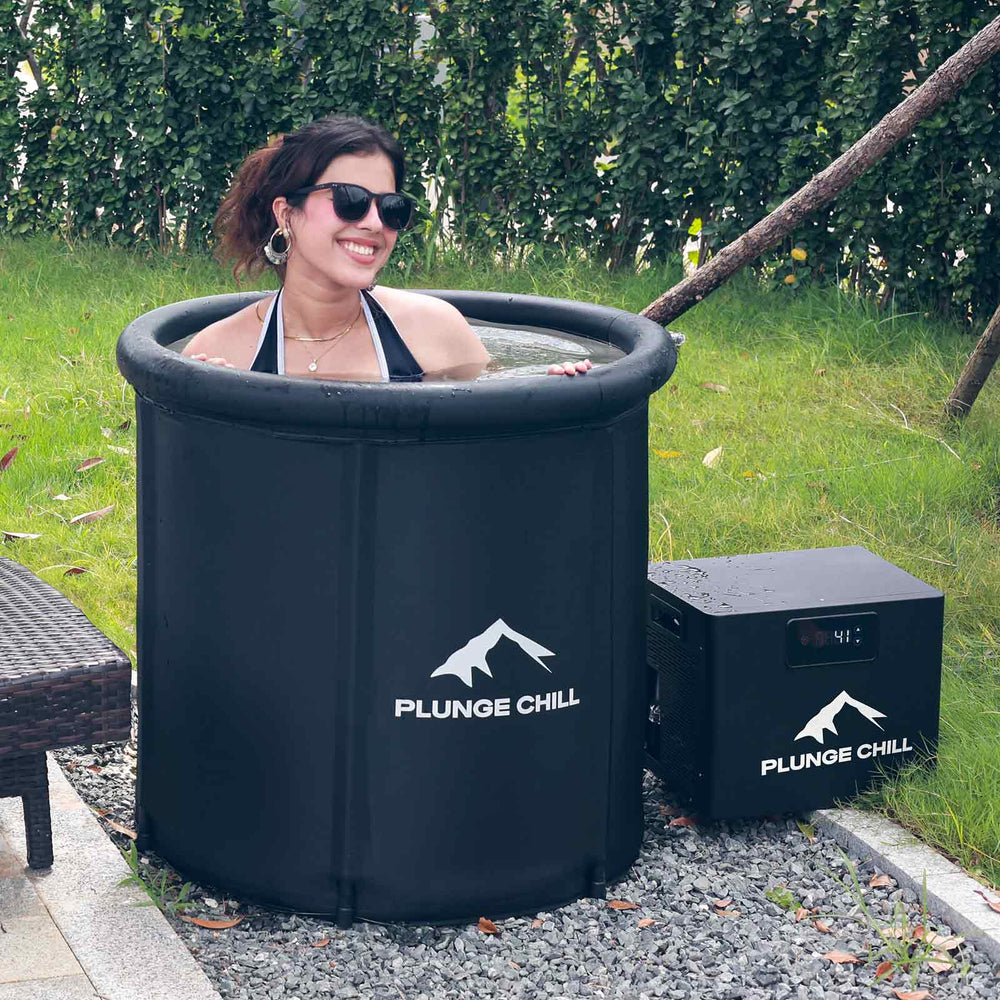
The right product depends on how often you will use it, the temperature you need, and your home environment. For occasional use, a standard bathtub with ice remains effective and aligns with clinical guidance. For frequent dosing or warm climates, a dedicated plunge with active chilling is far easier to manage. Look for units that can reliably hold 50–59°F and stabilize quickly between users. Consistent filtration matters; integrated filtration with replaceable media and optional ozone or UV helps keep water clear with lower chemical loads. Ergonomics deserve attention: depth that covers the hips to mid‑torso supports lower-body targets for cyclists, and non‑slip steps and surfaces reduce fall risk. If you live in an apartment, verify pump and fan noise and confirm electrical protection such as a GFCI outlet. Indoor placement should consider drainage and floor load. Maintenance is straightforward but non‑negotiable. Skimming debris, cleaning surfaces, and keeping water sanitized protect both the user and the equipment. Choose a sanitation approach you can manage consistently, and change water as required by use and clarity. The price spectrum is wide. Medical and consumer sources note that premium, fully featured systems can approach $20,000, while entry points start at whatever a bag of ice and a bathtub cost. Prioritize reliability, serviceability, and a warranty that matches your usage frequency.

Careful Use During Strength Phases and Sprint Blocks
Cyclists often combine low-cadence torque work, gym lifts, and sprint drills to build power, especially in the off-season. These sessions depend on anabolic and neural signals in the hours after training. If you place cold immersion immediately after, you risk dampening exactly what you’re trying to stimulate. The conservative solution is to shift cold to rest days or to the morning after a heavy lift when soreness, not signaling, is your main limiter. When the goal is pain control after an acute strain or swelling management after minor trauma, short targeted cold remains appropriate, but chronic overuse issues respond better to heat and movement after the acute phase subsides. Statements about the superiority of heat for all overuse injuries are too broad and depend on the tissue involved and time course. (Confidence: Low.)

Three Insights Cyclists Often Miss, Integrated
First, temperate immersion can sometimes help recovery even without an extreme temperature drop, likely due to hydrostatic and mild thermal effects. This matters for riders who dislike very cold plunges and for situations where ice is scarce. Second, internal cooling with ice slush and menthol can outperform immersion logistics in heat because it targets core temperature and thermal perception before and during the ride; it is a viable option for stage races and hot criteriums where tubs are impractical. Third, timing cold for the morning on non-strength days can shift the alertness benefits without colliding with muscle-building sessions later, while late plunges may disrupt sleep for some; this is easy to test with sleep tracking and next-day perceived exertion logs.
Takeaway
Cold therapy is a tool, not a cure-all. It shines when you need to turn the pedals hard again within hours, particularly in heat, and when soreness—not long-term strength—is your main barrier to consistent training. It becomes counterproductive when used reflexively after every session, especially after lifting or sprint power work. Anchor your plan to clear goals, then match temperature, duration, and timing accordingly. If you prefer simple, use a bathtub with ice for about 10 minutes at 50–59°F after the toughest endurance days. If you want precision and convenience, consider a dedicated plunge that can reliably hold target temperatures and is easy to maintain. Whatever you choose, pair cold therapy with proven basics: sufficient sleep, nutrition, hydration, and intelligent load management.
Frequently Asked Questions
Should cyclists use a cold plunge after every ride?
No. Reserve cold immersion for days when you either rode long and hard in heat or you have another substantial session later the same day. On recovery days or after light spins, prioritize sleep and nutrition. After gym sessions or sprint-power work, delay cold by several hours to protect training adaptations.
How cold should the water be and how long should I stay in?
For recovery between rides, a practical range is 50–59°F for about 10 minutes. Many athletes start with shorter exposures and build tolerance. There is no universal “best” dose. Monitor how your legs feel in the next session and adjust time and temperature to the minimum effective dose that helps performance.
Does cold therapy blunt training gains for cyclists?
It can blunt strength and muscle growth if used immediately after lifting. Endurance adaptations are less affected, and cooling may help in heat. Timing is the key variable. Delay cold after strength work and keep immediate post-ride immersions for endurance blocks or stage racing when readiness in hours, not days, is the priority.
Is pre-ride cold helpful or harmful?
It depends on the environment and the type of effort. In heat, starting cooler and staying cool during the ride can help endurance output, and internal cooling with very cold drinks is an effective, portable option. In cool conditions before sprint-heavy rides, pre-cooling can reduce peak power and is best avoided.
Are cryotherapy chambers better than ice baths?
Not consistently. They are fast and accessible where available, but evidence for performance superiority over immersion is mixed, and practical concerns include access and cost. Immersion offers stronger hydrostatic and tissue-cooling effects and is easy to test at home with a bathtub and ice.
What if I really dislike very cold water?
You can still get value. Temperate immersion closer to the low 80s has shown possible recovery benefits several hours later in a crossover trial, likely through hydrostatic effects and mild thermal changes rather than extreme vasoconstriction. Test a moderate approach and track your next-session performance to see if it works for you.
Selected Sources Cited in the Text
This article draws on summaries and studies from ACSM, Ohio State Health, PubMed Central trials on post-exercise immersion and internal cooling in heat, a Mayo Clinic health article on protocols and risks, coaching and practitioner summaries from Coach Pav and TrainingPeaks, and brand and clinic overviews that compile endurance-specific findings. Links will be provided separately in the References.
References
- https://sncs-prod-external.mayo.edu/hometown-health/speaking-of-health/cold-plunge-after-workouts
- https://pmc.ncbi.nlm.nih.gov/articles/PMC10108752/
- https://health.osu.edu/wellness/exercise-and-nutrition/do-ice-baths-help-workout-recovery
- https://acsm.org/cold-water-immersion-friend-froze/
- https://usacycling.org/article/when-to-apply-heat-and-cold-for-recovery
- https://www.mayoclinichealthsystem.org/hometown-health/speaking-of-health/cold-plunge-after-workouts
- https://www.exercisinghealth.net/blog/ice-baths-for-athletes-the-benefits-and-side-effects
- https://chilltubs.com/cycling-ice-bath/
- https://rebelstore.co.za/the-great-ice-debate-recovery-strategies-for-endurance-athletes/?srsltid=AfmBOooE7kIWhnCfn7902N-cx9F8FRRKzAWBEFjckdrpsOw2r_Jjcg7O
- https://sportcoaching.com.au/plunge-recovery-for-runners-cyclists-triathletes/