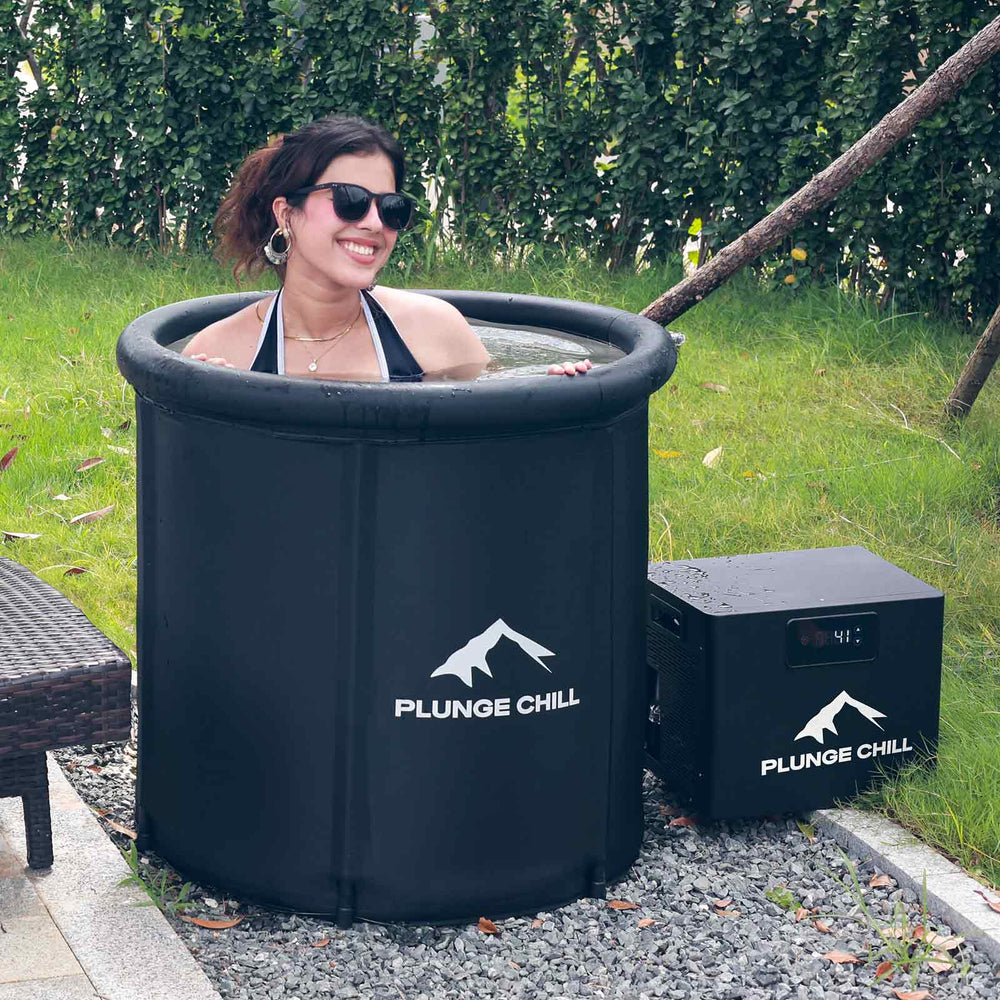
Cold plunges have moved from pro locker rooms and physical therapy clinics into living rooms, back patios, and social feeds. As a sports rehabilitation specialist and strength coach who also tests cold plunge products, I see the same question from athletes and longevity-focused clients: is cold exposure a real anti-aging tool or just a very uncomfortable trend with good marketing?
The short answer is that cold therapy can support healthy aging, but only when it is used as a measured, long-term practice and not as a stand-alone “miracle.” The scientific literature and dermatology sources describe meaningful but modest benefits for cardiometabolic health, inflammation, immune function, and skin appearance. They also highlight real risks when cold is overdone or used by the wrong person.
This article walks through where cold exposure actually belongs in an anti-aging protocol: how it works, what the evidence shows, where it helps skin and healthspan, where expectations need to be dialed back, and how to choose and use a cold plunge safely for the long haul.
Cold Therapy 101: What You Are Actually Doing To Your Body
Cold water therapy is more than “getting tough.” A 2024 review of cold water therapy for healthy aging defines it as deliberate exposure of all or part of the body to water colder than normal body temperature, through methods such as cold showers, cold water immersion, ice baths, winter swimming, and localized cold compresses. Typical protocols in the literature include cold showers with water in roughly the low 50s to high 60s °F, and immersion in water below about 59°F.
On the skin side, the same basic idea appears in different forms: ice therapy for blemishes, refrigerated tools, cryofacials that use super-cooled air on the face and neck, and localized medical-grade cryomodulation. Full-body cryotherapy chambers expose the body to extremely cold air, often below about −150°F, for a few minutes.
Across all of these, the core mechanism is the same: cold shocks the system just enough to trigger short, intense adaptive responses. When the exposure is controlled and brief, this “hormetic” stress appears to improve several aging-related processes without causing harm.
Vascular “Gymnastics” And Skin
Multiple dermatology and skincare sources describe cold therapy as a kind of “vascular gymnastics.” When skin or the whole body hits cold water, blood vessels constrict, driving blood away from the surface, which reduces swelling, redness, and fluid accumulation. Once you rewarm, vessels dilate and circulation rebounds, delivering oxygen and nutrients back to the tissues.
This constriction–dilation cycle has several direct skin effects documented across clinical and esthetic sources:
During the cold phase, puffiness and under-eye bags fall as excess fluid is pulled from superficial tissues. People with acne or rosacea often see redness and throbbing quiet down because inflammatory blood flow and local metabolic activity drop. As tissues rewarm, circulation surges back, which is why many spa cryofacial providers and cold-therapy brands highlight an immediate “glow” and more uniform tone.
In practice, I see this every morning in the training room. An athlete arrives with fluid-retention puffiness from a late flight; two or three minutes with chilled tools or a gentle ice massage (never ice directly on skin) reliably sharpens the eye area and jawline without any aggressive interventions. The effect is temporary, but for many clients that visible change is enough to buy into a consistent routine.
Hormetic Stress, Brown Fat, And Metabolism
Cold water immersion is also a powerful metabolic challenge. A narrative review cited in a dermatology overview notes that immersion in cold water can raise metabolic rate by around 350 percent as the body works to maintain core temperature. At the same time, levels of catecholamines such as noradrenaline and dopamine rise sharply.
A separate 2024 medical review on cold water therapy and healthy aging explains that repeated cold exposure activates brown adipose tissue, which increases thermogenesis and energy expenditure and may improve cardiometabolic risk factors. In plain language, brief cold exposure forces the body to burn more energy to stay warm and may nudge blood sugar and lipid metabolism in a favorable direction.
From a longevity standpoint, this matters because metabolic disease and vascular dysfunction are major accelerators of biological aging. A cold plunge is not a fat-loss program, but when used alongside training and nutrition it may help keep cardiometabolic markers in a healthier range over decades.
If you do the math on a typical session, the calorie burn is not huge on its own. Three minutes in water around 50–55°F, three or four times a week, adds up to a few tens of minutes of elevated thermogenesis. The more important story is not calories; it is the repeated activation of adaptive pathways that seem to support resilience.
Inflammation, Immunity, And Stress Biology
Chronic low-grade inflammation, impaired immune surveillance, and poor stress regulation are hallmarks of aging biology. Cold exposure interacts with all three.
The 2024 healthy-aging review finds that repeated cold water exposure can reduce inflammatory markers and improve certain immune outcomes, including lower rates of respiratory tract infections in some studies. A cold-therapy manufacturer summarizes a 2024 Journal of Thermal Biology study in which regular cold showers increased immunoglobulins and immune signaling proteins, suggesting improved infection control.
On the mental side, both that review and wellness-oriented sources describe rises in endorphins and other “feel-good” chemicals during cold exposure, with many participants reporting elevated mood and perceived vigor. A physician interviewed by a clinical skincare company frames cold plunges as a way to stimulate autophagy, the body’s cellular “self-cleaning” system, and ties lower inflammation to improved mood in people with anxiety or depression.
From the rehab and coaching perspective, this is where cold exposure earns a place in longevity protocols. Anything that consistently nudges inflammation down, improves sleep and mood, and keeps immune defenses sharper will likely help preserve function and reduce disease risk over time, even if the exact lifespan impact is still unknown.

Cold Therapy And Healthspan: What The Evidence Really Supports
Here is the uncomfortable truth for anyone hoping a barrel of cold water is a magic anti-aging machine: the evidence is promising but still limited. The 2024 review of cold water therapy for healthy aging pulled randomized trials, non-randomized trials, cohort studies, and prior reviews from major medical databases. It concludes that cold exposure is a low-cost, plausible strategy for promoting physical and mental well-being and potentially extending healthspan, but the data are far from definitive.
Most studies are small and short-term. Many involve highly selected populations, such as winter swimmers or motivated volunteers, who also have other healthy habits. Interventions vary widely in temperature, duration, and frequency. Some protocols use brief cold showers a few times per week; others use regular immersion in very cold open water. That heterogeneity makes it difficult to prescribe an “optimal” cold dose for longevity.
Nevertheless, several themes are consistent across the medical and wellness literature:
Cardiometabolic markers often improve modestly with repeated cold exposure, likely via brown fat activation and thermogenesis. Immune parameters and infection rates show favorable shifts in some cohorts. Mental health metrics, including mood and resilience, frequently improve, aligning with the hormonal and neurotransmitter changes measured in laboratory settings. Recovery after exercise-induced muscle damage appears faster when post-exercise cold immersion is used appropriately, something I regularly leverage with athletes.
What no reputable review claims is that cold plunges alone will make you live longer. Cold therapy should be viewed as one component in a broader healthy-aging program that also includes training, nutrition, sleep, photoprotection, and appropriate medical care.

Skin Longevity: From Collagen Claims To Realistic Expectations
For many readers, the entry point to cold therapy is not cardiology; it is the promise of tighter skin, fewer wrinkles, and a more youthful face. The skin-care and esthetics literature around cold is extensive, but the quality of evidence ranges from small focused studies to marketing-heavy claims.
Collagen, Elasticity, And Wrinkles
Cryoskin facials, cryofacials with super-cooled air, and localized or full-body cryotherapy are marketed heavily for collagen stimulation and tightening. Providers describe a mechanism where controlled cold induces vasoconstriction followed by vasodilation, bringing oxygen and nutrients to the dermis and stimulating fibroblasts to produce more collagen and elastin. Several articles from esthetics practices and cryotherapy providers report improved skin elasticity, firmness, and fine-line reduction, sometimes citing before-and-after photographs and client satisfaction.
One cold-therapy manufacturer references a focused cold-therapy study in which more than 90 percent of participants showed diminished forehead wrinkles. Other sources note that cold exposure may protect collagen by reducing chronic inflammation and oxidative stress, indirectly supporting a firmer, more youthful appearance.
However, dermatologists publishing on cold exposure are more cautious. Articles from clinical dermatology groups emphasize that facial icing and ice baths primarily create short-lived cosmetic effects. Cold-induced vasoconstriction temporarily reduces swelling and redness, and rewarming creates a healthy flush, but these are not structural changes. They highlight that cold plunges and ice baths do not have strong evidence for permanently shrinking pores, lifting tissue, or meaningfully increasing collagen in the way that retinoids, light-based devices, or resurfacing procedures do.
Reconciling these perspectives, a fair reading is that cold therapy may modestly support collagen over time by controlling inflammation and improving circulation, but the immediate “tightening” most people see is predominantly vascular and transient. For true structural rejuvenation, tools like sunscreen, retinoids, fractional lasers, and LED light therapy have stronger data. Interestingly, a skin-care guide from a medical organization describes LED masks as a way to directly stimulate collagen, with cold therapy positioned as a complementary, anti-inflammatory adjunct rather than a primary remodeling tool.
Inflammation, Acne, And Sensitive Skin
Where the evidence for cold is stronger and more consistent is inflammation control. Multiple sources, including dermatology practices and skin-care brands, describe cold therapy as an effective way to calm inflammatory conditions such as acne, rosacea, and eczema, provided it is done gently.
Ice therapy guides note that cold reduces redness and swelling of individual blemishes, can lessen emerging breakouts, and may help regulate excess sebum production. Cryotherapy and cool tools are widely used to soothe post-procedure skin after chemical peels, microdermabrasion, microneedling, waxing, and laser treatments, shortening recovery by limiting ongoing inflammation and discomfort. Several esthetic resources recommend cold as a way to reduce the risk of post-inflammatory hyperpigmentation when used appropriately after flares or sun exposure.
At the same time, dermatologists warn that overdoing cold can backfire. Direct application of ice to skin, especially for prolonged periods, risks cold burns and frostbite. People with rosacea or very reactive skin may develop broken capillaries and worsened redness from aggressive temperature swings. Those with eczema or dermatitis can see flare-ups when the skin barrier and microcirculation are shocked by extreme cold. Clinical guidance is consistent: do not place ice directly on skin; instead, use a thin cloth barrier or tools, keep exposure to about one or two minutes per area, and stop if there is pain or excessive numbness.
Certain medical conditions, such as cryoglobulinemia, cold urticaria, Raynaud’s phenomenon, significant peripheral vascular disease, or neuropathy, are named as contraindications for cold therapy in dermatology and cryotherapy guidelines. For those populations, the longevity risk–benefit equation is not favorable.
Short-Term Glow Versus Long-Term Rejuvenation
Putting this together, cold exposure clearly can make skin look better in the short term: less puffiness, calmer redness, a more even tone, and a visible glow as circulation rebounds. There is plausible biology and early evidence that repeated, moderate cold may support collagen, reduce oxidative stress, and contribute to healthier skin aging over years. But the magnitude of these effects is modest compared with primary interventions like sun protection, topical retinoids, targeted procedures, and LED therapy.
In my work, I treat cold as a way to lower the inflammatory and stress load on the system and as a cosmetic boost, not as the cornerstone of a skin anti-aging plan. The long-term value comes from pairing cold exposure with the basics, not replacing them.
Turning Cold Into A Longevity Habit: Protocols That Make Sense
The question I get most often is not “does cold work?” but “how do I use it without overdoing it?” The good news is that the protocols used in studies and recommended by experienced clinicians are remarkably conservative.
Choosing The Right Cold Exposure Modality
Different cold methods carry different risk and benefit profiles. For a longevity-focused user who cares about both systemic and skin aging, several options make sense.
Modality |
Typical Temperature (°F) |
Typical Duration |
Main Targets |
Key Advantages |
Main Concerns |
Cold shower |
Cool to very cold tap water, roughly low 50s to high 60s |
About 30 seconds to 3 minutes |
Systemic “wake-up,” mild cardiovascular and immune stimulus, scalp and skin |
No equipment, easy to control, good entry point |
Less even cooling, limited full-body immersion |
Home cold plunge tub |
Usually around 50–60 |
About 1 to 5 minutes (some advanced users go longer) |
Systemic anti-inflammatory effect, cardiometabolic support, mental resilience, whole-body skin |
Full immersion, precise dosing, strong hormetic signal |
Cost, maintenance, cardiac risk if unscreened |
Professional cryofacial |
Super-cooled air on face, neck, décolleté |
About 20 to 30 minutes per session |
Facial puffiness, redness, early fine lines, event prep |
Noninvasive, no downtime, controlled by trained staff |
Series often needed, cost, not a whole-body intervention |
Whole-body cryotherapy chamber |
Extremely cold air, often below about −150 |
About 2 to 3 minutes |
General wellness, soreness, cosmetic claims |
Fast, perceived as invigorating |
Limited evidence, dermatology societies warn of risks such as frostbite; not FDA-cleared for medical uses |
For most people aiming at longevity, I prioritize cold showers and home immersion in the 50–60°F range, plus occasional professional cryofacials for targeted facial benefits. Whole-body cryotherapy chambers remain controversial; a dermatology review notes that evidence for medical or aesthetic benefit is lacking and professional societies have documented injuries, so they should not be the default anti-aging choice.
A Practical Cold-Plunge Framework For Healthy Aging
Across multiple sources, there is convergence on moderate, repeatable cold exposure rather than extremes. A cold plunge manufacturer focused on skin health recommends water around 50–55°F, sessions no longer than about five minutes, and a frequency of three or four times per week. Another cold-plunge company suggests starting with one to three minutes around 50–59°F two or three times weekly and progressing gradually. An integrative dermatology practice focused on cold plunging for skin health recommends very similar ranges: water near 50–60°F, and sessions of one to three minutes for most people, emphasizing that consistency matters more than heroic single exposures.
The medical wellness physician quoted by a clinical skincare brand tells patients to begin with exposures as short as 30 seconds to one minute and to increase only as tolerance builds. This aligns with how I progress athletes. During the first couple of weeks, I typically suggest two or three sessions per week in water near 50–60°F, staying in for about 30 to 60 seconds, then rewarming slowly. Once the nervous system and cardiovascular system have clearly adapted and there are no adverse symptoms, many clients settle into two to five minutes per plunge three or four times weekly.
A concrete example: a 55-year-old masters triathlete who wants better recovery and long-term healthspan might eventually perform three immersions per week at about 52°F, staying in for around three minutes and exiting as soon as shivering becomes strong or breathing feels difficult to control. That adds up to roughly nine minutes of “true” cold exposure weekly, which is in the same ballpark as protocols used in healthspan studies without drifting into extreme territory.
After every plunge, I insist on gradual rewarming: dry off, put on dry clothes, move around gently, and drink something warm. Jumping directly into a very hot shower creates an unnecessary thermal whiplash that some dermatologists consider unhelpful for sensitive skin and circulation.
Where Cold Belongs In A Training Week
From a strength and conditioning perspective, timing is part of intelligent dosing. Reviews summarized in a dermatology-focused overview note that post-exercise cold water immersion is popular because it lowers inflammation, muscle damage, and fatigue, and can improve perceived recovery and subsequent training quality. At the same time, those reviews emphasize that cold immersion after resistance training alters molecular signaling pathways that regulate muscle growth and remodeling.
For athletes whose top priority is maximizing muscle hypertrophy or strength, I generally avoid very cold immersion immediately after every heavy lifting session. Instead, we place full plunges after high-volume conditioning, on rest days, or after lighter strength days, while using gentler local cooling for sore joints. This respects both recovery needs and the possibility that constantly blunting exercise-induced inflammation may alter long-term adaptation.
For aging clients focused more on joint comfort, systemic inflammation, and daily function than on maximum hypertrophy, using a moderate cold plunge after aerobic sessions or mixed training is often appropriate, as long as cardiovascular screening has been done.
Everyday Skin-Level Cold Practices
Not every anti-aging benefit requires a dedicated tub. Several dermatology and esthetic sources describe simple, low-tech cold practices that meaningfully support skin health when layered onto an evidence-based routine.
A straightforward approach is to incorporate a short cold step between cleansing and moisturizing. One manufacturer of cold packs suggests applying a chilled gel pack or soft cold compress for about five to ten minutes after cleansing and before moisturizer to reduce puffiness, tighten the look of pores, and calm post-exfoliation irritation. Another skin-care company recommends ice therapy for about one to two minutes per area using an ice roller or cloth-wrapped ice cube, always avoiding direct prolonged contact with bare ice.
High-end estheticians recommend storing facial massage tools, cryo sticks, eye masks, or face mists in the refrigerator (not the freezer) and using them when skin feels inflamed or tired. The technique matters: after applying a hydrating serum or mask, tools are swept from the middle of the face upward and outward with light pressure to support lymphatic drainage and enhance ingredient penetration.
These practices are simple to integrate with a morning retinoid-alternative routine or evening prescription retinoid and sunscreen habit. They do not replace those pillars, but they can reduce irritation, calm flare-ups, and provide a visible “reset” that encourages consistency with the rest of the regimen.
Buying A Cold Plunge: Design Choices That Matter For Longevity And Skin
From a product-review standpoint, not all cold plunges are equal, especially if you care about both long-term health and skin quality.
Water hygiene is the first non-negotiable. A cold-plunge brand that focuses on acne and eczema points out that many do-it-yourself setups, such as household bathtubs or sinks, use porous materials that harbor bacteria and biofilm, especially when water sits for days. For someone with sensitive or aging skin, that microbial load can mean more breakouts or irritation. Purpose-built tubs that use non-porous, non-toxic plastics and rely on a water stabilizer rather than harsh chemical disinfectants offer a cleaner environment for the skin barrier.
The same manufacturer notes that their upright barrel design allows full submersion of the body up to the neck while keeping the user in a seated, compact position. That makes it easier to achieve even cooling without awkward slumping that stresses the neck or lower back, something I have seen repeatedly in improvised tubs. Precision control of water temperature is another plus. Systems like this or modular cold tubs marketed to athletes allow dialing in a stable range around 50–59°F, which is right in the sweet spot described by dermatology and longevity sources.
Form factor and structural load also matter in real homes. One popular barrel-style plunge weighs about 55 lb empty, has a footprint near five square feet, and holds enough water to bring total weight to roughly 750 lb. If you drop a 180 lb user into that setup, you are placing close to 930 lb in a space smaller than a coffee table. For apartment balconies or home gyms, that means checking that the floor can handle concentrated loads and positioning the tub where it will not obstruct training or movement.
Finally, cost-benefit analysis is part of the longevity equation. For someone who is experimenting, cold showers and basic ice-based facial routines can deliver many of the anti-inflammatory and cosmetic benefits at essentially no cost. In my experience, a dedicated plunge becomes worth it when you are committed to using it several days per week for years, want consistent systemic effects, and value precise temperature and hygiene control. Longevity is about what you can sustain; the “best” tub is the one you will realistically use.

Safety, Contraindications, And When To Skip The Cold Biohack
No anti-aging intervention is worth it if it trades future health for short-term novelty. Cold therapy is no exception.
Dermatology and cryotherapy guidelines consistently warn that certain conditions make cold exposure risky. People with cryoglobulinemia, cold urticaria, or Raynaud’s phenomenon are at real risk of serious complications from cold, including vascular blockages and severe vasospasm. Those with significant peripheral arterial disease, uncontrolled high blood pressure, major heart disease, or peripheral neuropathy also require medical clearance before attempting full-body immersion. Pregnancy, active skin infections, and open wounds are additional red flags.
Even in healthy individuals, overdoing cold can cause harm. Direct ice on bare skin can produce cold burns and frostbite. Repeated, very intense cold on the face can break capillaries and worsen redness, especially in rosacea. Aggressive or frequent facial icing can strip moisture by constricting oil glands, disrupt the skin barrier, and provoke eczema or dermatitis flares. Several dermatologists recommend chilled tools or cloth-wrapped ice instead of raw ice, short exposures, and a good moisturizer afterward to maintain barrier function.
Whole-body cryotherapy chambers deserve special caution. A dermatology practice reviewing the evidence notes that these chambers, which expose users to air far below 0°F for a few minutes, do not have strong data for medical or aesthetic benefit. The American Academy of Dermatology has highlighted cases of frostbite, nerve injury, and rashes, and the Food and Drug Administration has not approved whole-body cryotherapy for any medical indications. For longevity purposes, the risk-reward profile is weak compared with more controlled water-based methods.
For older adults or anyone with complex medical histories, a simple rule applies: discuss cold therapy with a physician who understands your cardiovascular status and skin conditions before stepping into very cold water. The research on cold and healthspan is encouraging, but not strong enough to justify ignoring individual risk.

Frequently Asked Questions
Can cold therapy actually slow aging, or does it just make me feel tough?
Cold therapy is not a magic aging cure, but it does interact with several aging-related systems in a favorable way. A 2024 review of cold water therapy for healthy aging reports improvements in cardiometabolic risk factors, inflammation, immune function, and mental well-being in people who use cold exposure regularly. Another dermatology-focused review highlights better recovery after exercise-induced muscle damage and possible improvements in circulatory efficiency.
At the same time, the authors of these reviews emphasize that studies are small, diverse in protocol, and short-term. No one has shown conclusively that cold plunges extend lifespan. Think of cold therapy as one hormetic tool among many: a way to train your vessels, immune system, and stress response to stay adaptable, which supports healthspan when layered onto fundamentals like training, nutrition, sleep, and sun protection.
If I already use retinoids, vitamin C, and sunscreen, is adding cold exposure worth it for my skin?
For many people, yes, but as a supporting player. Dermatology and esthetic sources agree that cold can reduce puffiness, calm inflammatory redness, and provide a visible glow, and that controlled cold may support collagen indirectly by lowering chronic inflammation. They also agree that cold does not replace daily sunscreen, retinoids, or targeted procedures for structural rejuvenation.
In my practice, I suggest thinking about cold as a “recovery” modality for the skin, similar to how athletes use it for muscles. Short, gentle cold exposures after treatments, late nights, or flare-ups can help the skin settle down, making it easier to stay consistent with proven anti-aging topicals and procedures. For someone with sensitive skin, refrigerated masks or tools can also make retinoid use more tolerable by calming irritation.
How cold is cold enough for longevity benefits?
The answer from both dermatology and healthy-aging literature is that moderate cold, used consistently, is sufficient. Skin-focused and cold-plunge sources repeatedly recommend water around 50–60°F for immersion, with sessions of about one to five minutes. For facial or localized cold, guidelines typically suggest about one to two minutes per area using chilled tools or cloth-wrapped ice.
Cold showers used in immune and mood studies often fall in the low 50s to high 60s°F range for short bursts. There is no good evidence that pushing far colder than this or staying in until you are uncontrollably shivering adds extra anti-aging benefit; it mainly increases risk. As a rule, if you can control your breathing, feel challenged but not panicked, and rewarm comfortably afterward, you are in the productive zone.
Cold exposure earns a place in anti-aging protocols not because it is extreme, but because it is repeatable, affordable, and biologically plausible. Used wisely, it can support circulation, immune health, recovery, and skin quality for decades. As a coach and rehab specialist, my advice is to treat cold as one more training stressor: start conservatively, progress gradually, respect your individual risk profile, and build a routine you will still be able to maintain years from now.
References
- https://pmc.ncbi.nlm.nih.gov/articles/PMC11872954/
- https://www.news-medical.net/health/Cold-Water-Therapy-and-Skin-Health-A-Refreshing-Path-to-Dermatological-Wellness.aspx
- https://aboutfaceantiaging.com/5-benefits-of-cryoskin-facial-therapy/
- https://iriyawellness.com/cryofacial-101-benefits-of-cold-therapy-for-skin-rejuvenation/
- https://www.monadermatology.com/cryotherapy-skincare/
- https://wellconnected.murad.com/cold-plunges-miracle-or-bogus-trend-for-skin/
- https://rapidaid.com/7-cool-tricks-for-healthier-and-more-vibrant-skin/
- https://skintegrativesolutions.com/cold-plunging-for-skin-health/
- https://sun-tanner.com/the-science-behind-cryotherapy-skin-rejuvenation/
- https://zenergysv.com/cold-water-therapy-benefits/