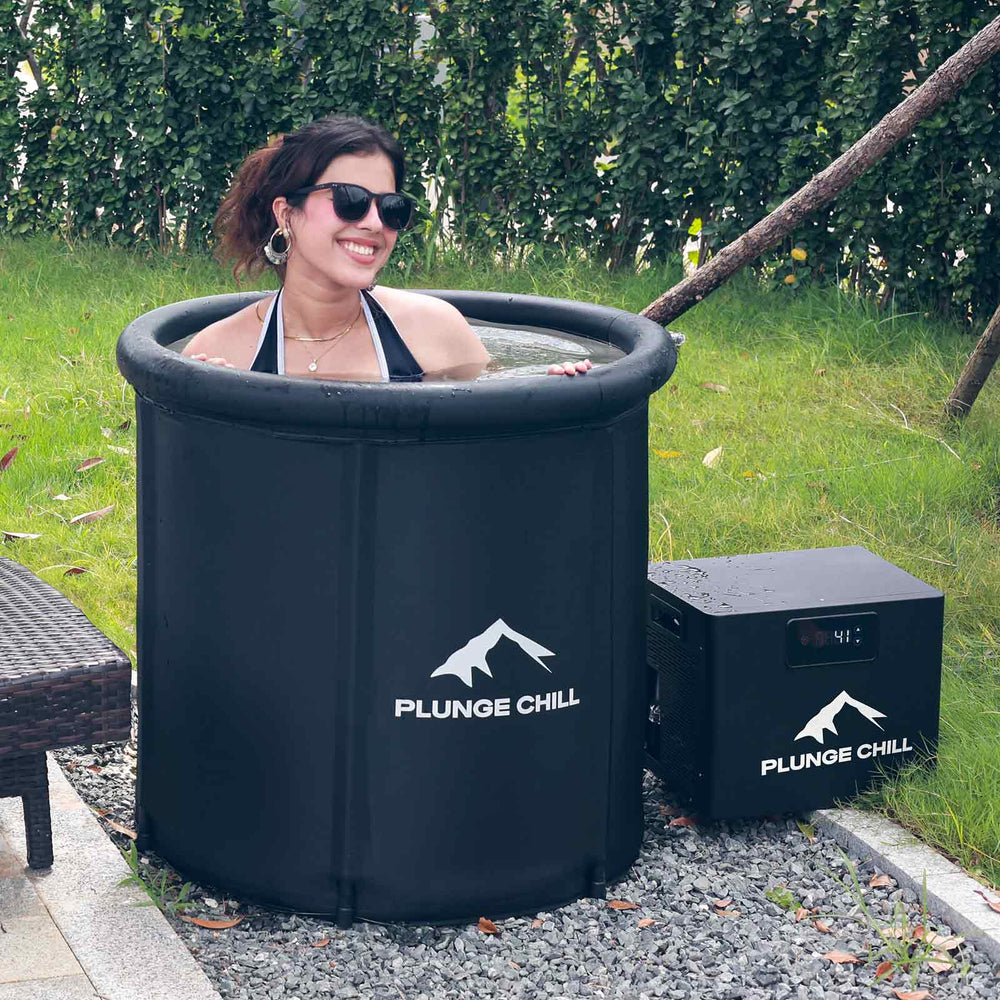
Walk into any performance gym or rehab center in 2025 and you will see a familiar scene. Where there used to be a line at the espresso machine, there is now a line at the cold plunge. As a sports rehabilitation specialist and strength coach who also reviews cold plunge systems, I have watched more athletes, executives, and weekend lifters trade their morning latte for three minutes in fifty‑something‑degree water.
This is not just a fad. It reflects a deeper shift from borrowing energy with stimulants to training the nervous system directly. The question is whether a morning cold plunge is truly a viable replacement for coffee, and if so, for whom, under what conditions, and with what risks.
In this article I will walk through what the science actually shows, how I see it play out on the gym floor and in clinic, and how to design a morning cold routine that supports performance instead of sabotaging it.
What Cold Plunging Actually Does To Your Brain And Body
Cold exposure therapy is simply deliberate exposure to low temperatures through cold showers, cold‑water immersion, or cryotherapy. Research summarized by Embr Labs, Stanford Lifestyle Medicine, Huberman Lab, and others converges on one core idea: short, intense cold is a controlled stressor that powerfully activates your sympathetic nervous system, then allows a rebound into a calmer, more focused state.
Brain chemistry: why a plunge can feel “better than coffee”
Several lines of evidence clarify why people feel so awake and locked‑in after a plunge.
Neuroscience work popularized by Andrew Huberman and summarized by BlueCube Baths and Huberman Lab describes cold immersion as one of the most potent natural ways to raise catecholamines and dopamine. In water around 50–60°F, even brief full‑body immersion can produce large increases in norepinephrine and dopamine that persist for hours. Plunsana and Dr. Erica Oberg both reference studies showing dopamine rising on the order of about two‑and‑a‑half times baseline and norepinephrine climbing two‑ to five‑fold after cold exposure in the 40–60°F range, with effects lasting several hours rather than minutes.
Stanford Lifestyle Medicine highlights that this surge is not just a spike. Noradrenaline (norepinephrine) remains reliably elevated even after months of regular cold water practice, while endorphin responses become less dramatic as your body adapts. That combination of dopamine and norepinephrine supports sustained focus, motivation, and goal‑directed behavior in a way that many people experience as cleaner than caffeine.
An fMRI study of thirty‑three healthy adults, reported in PubMed Central, offers another angle. After a five‑minute immersion at about 68°F, participants reported higher positive affect and lower negative affect. Brain imaging showed strengthened interactions between default mode, salience, and frontoparietal networks, the same circuits that underpin attention and emotion regulation. In plain language, the brain looked more integrated and ready to work.
In my own practice, I see this every Monday with early‑morning lifters who start with a two‑ to three‑minute plunge at roughly 50–55°F. For the next two to four hours their perceived energy, focus on technical cues, and tolerance for hard sets are noticeably better than on their coffee‑only days, even when the training program is identical.
Stress, cortisol, and resilience
Cold water immersion is also a powerful stress signal. Stanford Lifestyle Medicine summarizes work showing that cortisol, the primary stress hormone, does not necessarily rise during a plunge but often drops afterward and stays below baseline for hours. In one experiment, an hour of cold exposure between about 57°F and 90°F reduced cortisol and kept it low an hour later. Fifteen minutes at roughly 50°F kept cortisol reduced for up to three hours.
Mental Health Center of America describes this as hormetic stress: a brief, controlled challenge that forces your body to up‑regulate repair and regulatory pathways. Over a twelve‑week protocol involving either winter swimming in near‑freezing water or very cold air cryotherapy several times per week, participants showed blunted cortisol responses over time while maintaining strong noradrenaline responses. In practice that looks like people who feel far less overwhelmed by everyday stress, yet can still “turn it on” when needed.
Clinically, psychiatrists have even integrated brief facial immersion in cold water into dialectical behavior therapy skill sets as a way to quickly shift an overwhelmed nervous system toward calm. That is a far gentler intervention than a full chest‑deep plunge, but it underscores the same mechanism: rapid state change through temperature.

Cold Plunge Versus Coffee: Different Levers, Different Trade‑offs
Cold plunging and coffee both make you feel more awake. They do it through different levers, with different side effects. A simple comparison helps clarify why more people are moving at least part of their morning stimulation from mug to tub.
Feature |
Morning coffee |
Morning cold plunge |
Primary mechanism |
Caffeine blocks adenosine to reduce perceived fatigue |
Cold shock raises norepinephrine, dopamine, and endorphins |
Onset of effect |
Within minutes of drinking |
Within seconds of immersion |
Duration of effect |
Often a few hours, may be followed by a “crash” |
Catecholamine elevation often lasts 2–5 hours (Huberman Lab, Plunsana, BlueCube) |
Typical side effects |
Jitteriness, increased heart rate, sleep disruption |
Intense discomfort, cold shock, transient blood pressure rise |
Adaptation over time |
Tolerance and dependence can develop |
Physiological adaptation improves stress resilience (Stanford Lifestyle Medicine) |
Impact on sleep |
Later doses can delay sleep onset |
Morning sessions tend to support circadian alignment (Huberman Lab, Hope Floats) |
Plunsana explicitly compares cold plunging with caffeine and many nootropics, emphasizing that cold often delivers immediate alertness plus longer‑term adaptive changes without the same jitteriness or post‑stimulant dip. That matches what I see with high‑performing professionals who arrive after a red‑eye flight or a stressful quarter. When we swap their second and third coffees for a brief cold shower or plunge, they still feel alert, but they also report less anxiety and fewer mid‑afternoon energy crashes.
This does not mean coffee is “bad.” It means cold exposure offers a parallel, and sometimes more sustainable, way to hit the same subjective target: feeling alert, focused, and ready to perform.

Health And Performance: Who Actually Benefits In The Morning
The more important question for 2025 is not “Is cold better than coffee?” but “For which bodies, and which goals, does a morning plunge make sense?”
Knowledge workers and students
Embr Labs outlines how cold exposure boosts norepinephrine, improves circulation, and may reduce inflammation, all of which support attention and cognitive performance. They recommend even short cold showers of thirty to sixty seconds at the end of a warm shower multiple times per week as a starting point.
Atria’s review of cold water therapy concludes that, despite popular claims, strong evidence for long‑term cognitive enhancement is limited. However, the same review notes short‑term improvements in alertness and modest reductions in self‑reported psychological stress for several hours after exposure. Combined with the fMRI data described earlier, this supports what many office workers report anecdotally: a cold plunge makes the next few hours of focused work easier, especially in a distraction‑heavy environment.
In practical terms, if a software engineer does three morning plunges per week at about 55°F for three minutes each, that totals nine minutes of deliberate cold exposure weekly. Huberman Lab’s synthesis suggests that roughly eleven minutes per week of cold immersion, spread over several sessions, is enough to capture most of the mood, energy, and resilience benefits observed in recent human studies. That means bumping each session from three to about four minutes would likely cross the threshold while still leaving plenty of time to dry off and commute.
Lifters, runners, and team‑sport athletes
From a performance standpoint, cold exposure is a double‑edged sword. Mayo Clinic Health System and Mayo Clinic Press both note that cold water immersion clearly reduces delayed‑onset muscle soreness and can restore performance by the next day, particularly when water is around 50°F and immersion lasts a few minutes. Atria’s review echoes this: short immersions reduce subjective soreness, perceived exertion, and some biochemical markers of muscle damage.
At the same time, Mayo Clinic Press and the Psychiatry and Psychotherapy Podcast summarize strong evidence that regular post‑lifting cold immersion can blunt strength and hypertrophy gains. In a twelve‑week strength program where participants used ten minutes of post‑workout cold water immersion at roughly 50°F, muscle growth and some cellular adaptations were significantly lower than in athletes who did active recovery instead. Other work with somewhat warmer water shows similar blunting of hypertrophy even when strength itself is preserved.
Huberman Lab and Mayo Clinic therefore treat cold as an optional “garnish” on top of training rather than a staple. In my own programming for athletes who want both muscle and resilience, we use three strategies.
First, if the goal is hypertrophy, we keep cold exposure away from the post‑lifting window, ideally by six to eight hours. That might mean a plunge first thing in the morning and strength work after work, or using cold only on non‑strength days.
Second, if the schedule forces same‑day use, we reserve cold immersion after competition blocks, tournaments, or brutal conditioning days when short‑term recovery is more important than long‑term adaptation.
Third, for athletes rehabbing from acute injury, we follow modern icing guidance from Mayo Clinic Press. Ice is useful in the first days after an acute sprain to reduce pain and swelling, but chronic icing or daily whole‑body plunges over weeks can slow tissue healing by repeatedly constricting blood flow and limiting repair signals. In rehab phases we often shift toward heat and movement for long‑term recovery, using cold only as a targeted tool.
People managing stress, burnout, and mild mood issues
Stanford Lifestyle Medicine, Mental Health Center of America, and the Psychiatry Podcast all position cold exposure as a promising adjunct, not a stand‑alone treatment, for mood and stress‑related conditions. Short experimental protocols show meaningful improvements in tension, anger, depression, and fatigue after single immersions in the 50–68°F range. Norepinephrine and endorphin surges produce a “cold‑induced euphoria” similar to a runner’s high.
However, evidence for treating diagnosed depression and anxiety is still sparse and underpowered. The Psychiatry Podcast emphasizes that while norepinephrine and dopamine spikes from cold exposure may help recalibrate fear and anxiety circuits, distorted beliefs and cognitive patterns still require structured psychotherapy.
In daily life I see cold exposure working as a practical “reset button.” A client who works in a high‑stress finance role now uses a two‑minute 52°F plunge at home before opening her laptop on particularly heavy days. She describes it as “rehearsing doing hard things on purpose,” and over months we have seen measurable improvements in her heart rate variability, along with subjectively lower reactivity to work stress. That pattern fits with the stress‑inoculation model described by Mental Health Center of America and Dr. Oberg.
Healthy aging and cardiometabolic health
A 2024 narrative review in PubMed Central on cold water therapy and healthy aging concludes that deliberate cold exposure may improve cardiometabolic risk factors by stimulating brown adipose tissue, increasing thermogenesis, and modestly boosting energy expenditure. It also highlights possible benefits for inflammation, immune function, sleep, and exercise recovery, and frames cold water therapy as a potential lifestyle strategy to extend healthspan, not just lifespan.
At the same time, that review and Atria’s analysis both stress that definitive large randomized trials are lacking. Brown fat stores in adults are small, and the Psychiatry Podcast estimates that even fully active brown fat might account for only about 40–90 calories per day in most people. That is not a magic weight‑loss lever; it is a small metabolic nudge.
For older adults in my clinic who tolerate cold well and are cleared by their cardiologist, we sometimes use milder protocols such as cool showers at about 60–68°F or brief lower‑body immersion, aiming more for mood, circulation, and resilience than for weight loss.
Morning Protocols That Work In The Real World
The strongest protocols for morning cold exposure share three features across sources like Embr Labs, Cleveland Clinic, Stanford, Huberman Lab, Dr. Oberg, Summit Sports and Spine, and Hope Floats. They are brief, consistent, and uncomfortably cold but not extreme.
Choosing temperature, time, and weekly dose
Most clinical and performance‑oriented sources cluster around water in the 45–60°F range for immersion and slightly warmer for showers.
Cleveland Clinic and Pinnacle Sports Performance describe cold plunge therapy as immersion between about 50°F and 59°F for short periods. Summit Sports and Spine recommends beginners start around 55°F for one to two minutes and progress to three to five minutes near 45–50°F as tolerance builds. Dr. Oberg suggests roughly 40–50°F for short, intense one‑ to three‑minute plunges and 50–60°F for longer five‑ to ten‑minute immersions for people who prefer milder cold.
Huberman Lab distills this into a simple weekly dose target: about eleven minutes per week of deliberate cold exposure, split into two to four sessions of one to five minutes, in water that feels “uncomfortably cold” but safe. Hope Floats echoes this, noting that research they cite suggests roughly eleven minutes weekly is sufficient for most of the benefits.
A practical example for a healthy person cleared for cold exposure would be four morning plunges per week at about 52–55°F for three minutes each. That totals twelve minutes weekly, which sits in the middle of the recommended range, and each session is short enough to fit between waking and breakfast.
Showers versus plunges
Not everyone has a dedicated plunge tub. Cleveland Clinic and Embr Labs both emphasize that cold showers are a perfectly viable starting point. A simple approach is to take your normal warm shower, then turn the handle to cold for the final thirty to ninety seconds. The Dutch cold shower trial described by Mayo Clinic Press involved adding a thirty‑, sixty‑, or ninety‑second burst of cold water at about 50°F at the end of showers for sixty days. Participants reported about twenty‑nine percent fewer sick days compared with a control group, even though the number of illness episodes did not change. That suggests improved resilience or willingness to function while mildly ill rather than a dramatic immune overhaul.
In my athletes who travel frequently, we often rely on this finish‑cold shower strategy on the road, reserving full plunges for days when they have access to a controlled tub at home or in the training facility.
Timing relative to training and sleep
Most sources agree that cold exposure promotes wakefulness and raises core body temperature over the next several hours, making morning the best window for most people. Huberman Lab and Cleveland Clinic both caution against cold exposure right before bedtime since the adrenaline spike and internal warming can delay sleep.
For strength and hypertrophy, Mayo Clinic, Huberman Lab, and the Psychiatry Podcast recommend separating cold immersion from heavy lifting by at least several hours or using it on non‑lifting days to avoid blunting adaptations. For endurance athletes, the interference effect appears smaller, but I still prefer using cold after key race‑specific sessions only when short‑term recovery is at a premium.

Safety, Contraindications, And When Coffee Is Still The Better Choice
The benefits of cold exposure are promising but modest. The risks, particularly for the cardiovascular system, are better documented. Harvard Heart Publishing and Cleveland Clinic both stress that people with heart disease or rhythm problems, peripheral artery disease, or cold‑sensitive conditions such as Raynaud’s phenomenon should be very cautious and often avoid cold plunges altogether.
When you step into very cold water, your body experiences a cold shock response. Harvard Heart Publishing describes this as a surge of adrenaline and norepinephrine, rapid constriction of surface blood vessels, and a spike in heart rate and blood pressure. Blood is shunted toward the chest, increasing the workload on the heart. For a healthy twenty‑five‑year‑old this is usually tolerable, though still uncomfortable. For someone with coronary disease or atrial fibrillation, that extra stress can destabilize plaque or trigger an arrhythmia.
Mayo Clinic Press and Atria both emphasize classic risks: hypothermia with prolonged exposure, frostbite in ice‑covered settings, and drowning if cold shock leads to an involuntary gasp or loss of motor control in open water. Stanford Lifestyle Medicine recommends entering cold water gradually, never swimming alone, and limiting immersion to ten minutes or less to avoid dangerous drops in core temperature.
From a rehab standpoint, I also see psychological risks. For some clients with trauma histories, intense cold can be destabilizing rather than empowering, especially if they are pressured into it in group settings. Hormetic stress is only beneficial when it feels chosen and controllable.
For anyone with cardiovascular disease risk factors, high blood pressure, diabetes, pregnancy, or respiratory conditions such as asthma, the safest path is to discuss cold exposure with a healthcare professional before starting. Often we begin with far milder modalities such as cool facial splashes or short, moderately cool showers and monitor responses.
In all of these cases, morning coffee remains the safer choice. A well‑tolerated cup of coffee alongside a structured movement, sleep, and nutrition plan is still a more evidence‑backed intervention for long‑term health than abrupt unsupervised plunges into forty‑degree water.
Integrating Cold Plunges With Training And Rehab In 2025
From the vantage point of a performance and rehab coach, the value of a cold plunge in 2025 is less about the hardware and more about the way it fits into a larger system.
For strength athletes in a building phase, I position morning cold immersion as a nervous‑system and mindset tool. We keep water around 50–55°F, limit sessions to two to four minutes, cap weekly exposure around ten to twelve minutes, and avoid any full‑body plunges in the first six to eight hours after heavy lifting. For tournament prep blocks, particularly in sports with multiple events in a weekend, we selectively add short post‑event plunges when the priority is feeling ready to go again the next day.
For endurance athletes, the calculus shifts. Recovery and readiness often matter more than maximal hypertrophy, so we can be more liberal with cold use after hard sessions, provided the athlete is screened for cardiac risk and educated on signs of cold shock.
In rehab, I view cold immersion as a potential adjunct once the acute phase has passed and the athlete is reloading tissues. It can help with perceived soreness, mood, and self‑efficacy, but it does not replace progressive loading, sleep, or sound nutrition. Where there is chronic tendinopathy or joint pathology, heat therapy often plays a more significant role over time, as Mayo Clinic Press notes.
Finally, many clients combine sauna and cold plunge as contrast therapy. Summit Sports and Spine and Salus Saunas describe simple patterns such as ten to fifteen minutes in a sauna followed by one to three minutes in a cold plunge, repeated a couple of times. This creates strong vasodilation followed by vasoconstriction, effectively a vascular workout. For healthy clients who enjoy this and are cardiovascularly cleared, it can be an excellent way to anchor an evening or weekend recovery ritual, though I still prefer keeping the cold portion earlier in the day on workdays.

FAQ: Common Questions About Swapping Coffee For Cold
Do I need to stop drinking coffee if I start cold plunging?
No. Most of my clients do not eliminate coffee; they rebalance their reliance on it. Using a morning plunge for the first dose of alertness and shifting coffee slightly later in the morning often reduces jitters and protects sleep without sacrificing productivity. Plunsana’s comparison to caffeine is helpful here: cold can provide the alertness and motivation boost without the same crash, so you may simply find you need less caffeine.
How cold is “cold enough” for a morning plunge?
For most healthy people cleared by a clinician, water between about 50°F and 59°F is a sweet spot, based on ranges reported by Cleveland Clinic, Pinnacle Sports Performance, Stanford Lifestyle Medicine, and several sports performance clinics. The water should feel uncomfortably cold and make you want to get out, but you should still be able to control your breathing and stay oriented. If you are shivering violently or losing coordination, it is too cold or too long.
What if I hate the cold?
Disliking cold is normal. The goal is not to enjoy the sensation; the goal is to practice staying calm while your body insists you get out. If traditional plunges feel impossible, start with thirty seconds of cool water at the end of a warm shower or a bowl of cold water for facial immersion. Stanford Lifestyle Medicine notes that even brief facial immersion can activate the parasympathetic system and support emotion regulation. From there you can decide, with your clinician and coach, whether progressing to fuller immersion fits your goals.
Closing Thoughts
In 2025, morning cold plunging is not replacing coffee so much as it is redefining what a wake‑up ritual can do. Instead of simply masking fatigue, a well‑designed cold protocol trains your nervous system to handle stress, sharpens focus for the next few hours, and, over time, may support healthier aging and resilience. Used thoughtfully, and with respect for individual medical constraints, it can be one of the most powerful three‑minute investments you make in your day.

References
- https://www.health.harvard.edu/heart-health/cold-plunges-healthy-or-harmful-for-your-heart
- https://lifestylemedicine.stanford.edu/jumping-into-the-ice-bath-trend-mental-health-benefits-of-cold-water-immersion/
- https://pmc.ncbi.nlm.nih.gov/articles/PMC11872954/
- https://health.clevelandclinic.org/are-cold-showers-good-for-you
- https://www.atria.org/education/science-of-cold-water-therapy/
- https://mcpress.mayoclinic.org/healthy-aging/the-science-behind-ice-baths-for-recovery/
- https://www.mayoclinichealthsystem.org/hometown-health/speaking-of-health/cold-plunge-after-workouts
- https://www.theultimatehuman.com/cold-water
- https://www.verywellhealth.com/cold-plunge-benefits-11810020
- https://www.verywellmind.com/cold-shower-benefits-11728932