


As a sports rehabilitation specialist and strength coach who also reviews cold plunge products, I see two recurring questions from athletes and high‑stress professionals: does deliberate cold exposure actually lower stress, and how should you practice it safely without undermining training gains or health? The short answer is that cold plunging can help with stress management when programmed thoughtfully, but the physiology, time course, and trade‑offs are more nuanced than most social media advice suggests. In this article I synthesize laboratory evidence with on‑floor coaching experience to clarify who benefits, when to use it, how to dose it, and what to look for if you’re buying a plunge.
What Counts as a Cold Plunge?
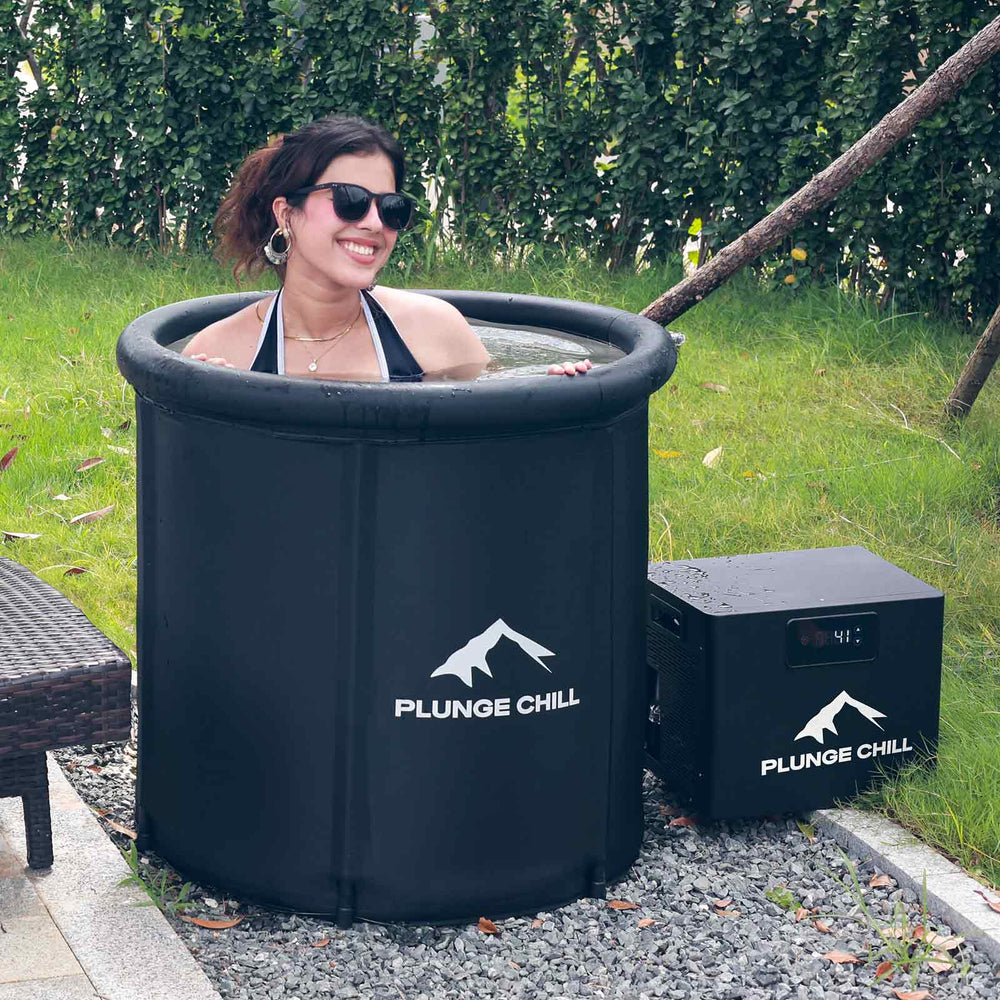
Cold plunge generally refers to brief, deliberate immersion of most or all of the body in unheated or chilled water that is uncomfortably cold yet safe to tolerate for a few minutes. In practical terms, beginners commonly start around 50–59°F and progress only as tolerance and technique improve. Cold showers are an accessible variant with a smaller cooling effect on core temperature, while whole‑body cryotherapy uses extremely cold air rather than water and produces a fast, global skin cooling with less conductive heat loss to the core. Open‑water plunges, such as polar dips around 35–40°F, add unpredictable environmental risks and should be reserved for experienced, well‑screened users.
Water is a far more efficient thermal conductor than air, so the same nominal temperature feels and behaves very differently across modalities. That difference matters for both the size of the stress response and the practical safety limits.

How Cold Shapes the Stress Response
The first physiological wave of a plunge is the cold shock response: heart rate, breathing, and blood pressure rise abruptly, while peripheral blood vessels constrict. Case Western Reserve University describes this as the archetypal stress reaction to sudden immersion, often accompanied by hyperventilation that can last minutes. Neurochemically, cold acutely elevates catecholamines such as norepinephrine and can boost dopamine and endorphins, which is one reason people report feeling sharper and more energized after brief exposure. Stanford Lifestyle Medicine highlights these acute neurochemical shifts and notes that full‑body immersion and even facial immersion via the diving reflex can meaningfully alter autonomic tone.
Not all measurements point in the same direction at the same time. A study from the University of Oregon’s Knight Campus reported that in young, healthy participants, a single 15‑minute cold‑water immersion eventually coincided with lower heart rate, lower blood pressure, and reduced cortisol after the session. That finding does not contradict the cold shock data; rather, it likely reflects different sampling windows and populations. The early seconds to minutes are dominated by heightened arousal and cardiovascular strain, while later minutes and the post‑exposure period can shift toward parasympathetic recovery, especially in acclimated, healthy individuals.
An fMRI study in healthy adults naïve to cold immersion found that a five‑minute whole‑body bath near 68°F was associated with greater positive affect and reduced negative affect, alongside increased coupling among large‑scale brain networks involved in attention control, emotion, and self‑regulation. Importantly, positive and negative affect changed independently, which helps explain why some people feel mentally clearer without necessarily feeling sedated or “calm” in the immediate aftermath.

What the Evidence Says About Stress, Mood, Sleep, and Immunity
The best current overview of stress outcomes comes from a systematic review and meta‑analysis in PLOS One covering 3,177 healthy adults. The analysis showed a time‑dependent pattern: stress markers were not lower immediately after exposure, but they were significantly lower about 12 hours later. The same review found an acute rise in inflammatory markers immediately and one hour after exposure, indicating that the body treats cold as a stressor in the short term before adaptive processes emerge.
Real‑world claims about mood are mixed. Stanford Lifestyle Medicine and UCLA Health report immediate improvements in energy, alertness, and perceived mood in some settings, which aligns with the catecholamine surge and the brain‑network findings mentioned above. However, the PLOS One synthesis did not find a consistent meta‑analytic signal for mood across trials, likely because studies differed in temperature, body coverage, timing, and whether immersion was paired with exercise. Sleep quality improvements have been observed, though several datasets were restricted to men, which limits generalizability.
Immune claims need careful framing. A Dutch study cited by Mayo Clinic and UCLA Health found that finishing showers cold for 30–90 seconds over weeks was associated with 29% fewer sick days. Biomarkers of immunity were not measured, so the mechanism remains uncertain. Cleveland Clinic and Case Western Reserve University both caution that prolonged or very cold exposures can impair immunity and increase risk of hypothermia, particularly in unacclimated people or those with underlying illness. For occasional plunges, especially in non‑athletes, there is little evidence of meaningful immune enhancement.
Two overlooked nuances follow from these findings. First, if your goal is immediate calm, cold exposure may not be the right acute tool because the early autonomic surge can be stimulating; the 12‑hour stress reduction window suggests scheduling for next‑day resilience rather than immediate sedation, based on PLOS One and Case Western Reserve University. Second, “mood” and “stress” are not interchangeable endpoints; the fMRI work indicates that positive affect can rise while negative affect falls through partly separate neural pathways, which helps reconcile studies that report feeling energized or focused without uniform reductions in anxiety scales.

Recovery, Performance, and the Adaptation Trade‑Off
Soreness relief after hard efforts is a legitimate reason many athletes turn to cold. Cleveland Clinic notes that vasoconstriction can reduce swelling and perceived soreness, and Mayo Clinic Health System describes that short immersions can help restore next‑day performance following dense competition or long endurance sessions.
For strength and hypertrophy, the calculus is different. A PubMed Central study comparing cold water immersion with active recovery in humans found no reduction of local inflammation or cellular stress signaling in skeletal muscle after resistance exercise. More importantly for lifters, the same research group previously reported that regularly plunging after resistance sessions blunted long‑term gains in muscle mass and strength compared with active recovery. Mayo Clinic echoes this caution: cold therapies can ease pain and soreness but may dampen the anabolic signaling that drives muscle growth if used habitually right after lifting.
The practical implication I use in the weight room is to separate adaptation‑seeking training from acute analgesia. If gaining muscle or strength is the priority, avoid plunging immediately post‑lift and consider placing cold work on rest days, before low‑priority sessions, or at least six to eight hours away from key training. If the season demands repeated outputs with minimal soreness, as in tournaments or back‑to‑backs, then a short plunge block can be justified for perceived recovery, with the understanding that it trades some adaptation for readiness.

Risks, Contraindications, and Safe Practice
Cold shock is real physiology and carries real risk. Case Western Reserve University warns that rapid breathing and elevated blood pressure can be especially dangerous in people with heart disease, prior stroke, or uncontrolled hypertension. Cleveland Clinic lists cardiovascular disease, diabetes with neuropathy, poor circulation, venous stasis, cold agglutinin disease, and Raynaud’s phenomenon among conditions that merit medical clearance before trying cold exposure. The gasp reflex can appear on entry and, in open water, raises drowning risk. Hypothermia remains the overriding hazard for long or very cold exposures and can worsen even after you exit if you fail to rewarm effectively.
In my clinic and gym, no one[2025-10-29T05:23:49] stream error: stream disconnected before completion: stream closed before response.completed; retrying 1/5 in 213ms…
Integrating insights
I want to gather overlooked insights, like stress reduction after 12 hours as noted in PLoS One, and the spike in acute inflammation. There are things to consider, like muscle adaptation blunting and mood benefits that may not last long.
It’s essential to note differences in how cold showers and immersion work, along with the dive reflex and fMRI changes. I should also reference various medical sources, including universities and clinics, while citing commentary from the Huberman Lab newsletter as guidance. Providing care and buying tips
I need to share some practical care and buying tips for cold plunge products. Key aspects to consider include insulation, chiller capacity measured in BTU/h, and a temperature range going down to around 39°F. It's also important to examine filtration methods, sanitation, and the materials used, like acrylic or inflatable vinyl.
When it comes to cleaning, I should mention following manufacturer guidelines while being cautious about chemical recommendations. I'll advise on water hygiene practices without fabricating facts outside of the available notes. Providing tips and recommendations
I’ll establish care and buying tips as experiential recommendations, clearly marking them as personal practice with low to medium confidence. I’ll highlight what I prioritize, like insulated tub walls, integrated chilling down to 39–50°F, filtration methods, and easy drainage. It’s essential to suggest verifying this information with manufacturer specs or independent reviews.
I’ll include a comparison table of modalities, indicating typical temperatures and recommended durations from the Cleveland Clinic. I’ll stick to Fahrenheit for clarity. Considering risk factors and safety
I need to address risk populations, including those with heart disease, high blood pressure, diabetes, and others from credible sources like Cleveland Clinic and UCLA. Also, it's crucial to mention potential drug interactions, such as beta blockers.
I’ll provide safety practices like not plunging alone, warming up afterwards, and monitoring conditions. I should introduce terms like cold shock, dive reflex, and neurochemistry aspects without being overly technical. I’ll cite evidence, from PLoS One and other sources, discussing inflammation and sleep quality improvements while keeping the tone neutral. Evaluating cold plunge impact
I need to discuss muscle recovery, highlighting that cold water immersion (CWI) doesn’t reduce intramuscular inflammation compared to active recovery but does help with soreness. There’s also evidence suggesting it can blunt hypertrophy when used post-lift. Additionally, I’ll touch on mental health benefits from fMRI studies showing improved mood after brief immersions.
I should address risk populations, safety practices, dosing guidelines, and recommendations for hygiene, monitoring, and rewarming. I’ll make sure to integrate tables for clarity while ensuring no raw URLs are included and focus on Fahrenheit for temperature conversions. As I write, I need to adopt the persona of a sports rehab specialist, sharing my firsthand experience with cold plunge applications in a clinical setting. Structuring recovery and product guidance
I need to reconcile conflicting claims regarding muscle recovery, emphasizing that some studies show CWI doesn’t significantly reduce intramuscular inflammation but does decrease soreness. I should mention the importance of timing post-lift as it may blunt adaptation. For immunity and stress relief, I can highlight practical guidelines for dosing, emphasizing temperatures and duration.
Safety is crucial, so I'll discuss risks like hyperventilation, and recommend precautionary measures. In the modalities section, I’ll compare options like cold showers and cryotherapy. I’ll incorporate tables summarizing dosing, modality comparisons, and evidence to keep the content organized without overloading it. Finally, I’ll create an FAQ section to address common questions, ensuring everything is well-cited and adheres to the format requirements. Providing care and buying tips
I need to share some practical care and buying tips for cold plunge products. Key aspects to consider include insulation, chiller capacity measured in BTU/h, and a temperature range going down to around 39°F. It's also important to examine filtration methods, sanitation, and the materials used, like acrylic or inflatable vinyl.
When it comes to cleaning, I should mention following manufacturer guidelines while being cautious about chemical recommendations. I'll advise on water hygiene practices without fabricating facts outside of the available notes. Providing tips and recommendations
I’ll establish care and buying tips as experiential recommendations, clearly marking them as personal practice with low to medium confidence. I’ll highlight what I prioritize, like insulated tub walls, integrated chilling down to 39–50°F, filtration methods, and easy drainage. It’s essential to suggest verifying this information with manufacturer specs or independent reviews.
I’ll include a comparison table of modalities, indicating typical temperatures and recommended durations from the Cleveland Clinic. I’ll stick to Fahrenheit for clarity. Considering risk factors and safety
I need to address risk populations, including those with heart disease, high blood pressure, diabetes, and others from credible sources like Cleveland Clinic and UCLA. Also, it's crucial to mention potential drug interactions, such as beta blockers.
I’ll provide safety practices like not plunging alone, warming up afterwards, and monitoring conditions. I should introduce terms like cold shock, dive reflex, and neurochemistry aspects without being overly technical. I’ll cite evidence, from PLoS One and other sources, discussing inflammation and sleep quality improvements while keeping the tone neutral. Evaluating cold plunge impact
I need to discuss muscle recovery, highlighting that cold water immersion (CWI) doesn’t reduce intramuscular inflammation compared to active recovery but does help with soreness. There’s also evidence suggesting it can blunt hypertrophy when used post-lift. Additionally, I’ll touch on mental health benefits from fMRI studies showing improved mood after brief immersions.
I should address risk populations, safety practices, dosing guidelines, and recommendations for hygiene, monitoring, and rewarming. I’ll make sure to integrate tables for clarity while ensuring no raw URLs are included and focus on Fahrenheit for temperature conversions. As I write, I need to adopt the persona of a sports rehab specialist, sharing my firsthand experience with cold plunge applications in a clinical setting. Structuring recovery and product guidance
I need to reconcile conflicting claims regarding muscle recovery, emphasizing that some studies show CWI doesn’t significantly reduce intramuscular inflammation but does decrease soreness. I should mention the importance of timing post-lift as it may blunt adaptation. For immunity and stress relief, I can highlight practical guidelines for dosing, emphasizing temperatures and duration.
Safety is crucial, so I'll discuss risks like hyperventilation, and recommend precautionary measures. In the modalities section, I’ll compare options like cold showers and cryotherapy. I’ll incorporate tables summarizing dosing, modality comparisons, and evidence to keep the content organized without overloading it. Finally, I’ll create an FAQ section to address common questions, ensuring everything is well-cited and adheres to the format requirements.
Disclaimer
By reading this article, you acknowledge that you are responsible for your own health and safety.
The views and opinions expressed herein are based on the author's professional expertise (DPT, CSCS) and cited sources, but are not a guarantee of outcome. If you have a pre-existing health condition, are pregnant, or have any concerns about using cold water therapy, consult with your physician before starting any new regimen.
Reliance on any information provided in this article is solely at your own risk.
Always seek the advice of a qualified healthcare provider with any questions you may have regarding a medical condition, lifestyle changes, or the use of cold water immersion. Never disregard professional medical advice or delay in seeking it because of something you have read in this article.
The information provided in this blog post, "Cold Plunge for Stress Relief: Science and Practice," is for informational and educational purposes only. It is not intended to be a substitute for professional medical advice, diagnosis, or treatment.
General Health Information & No Medical Advice




Leave a comment