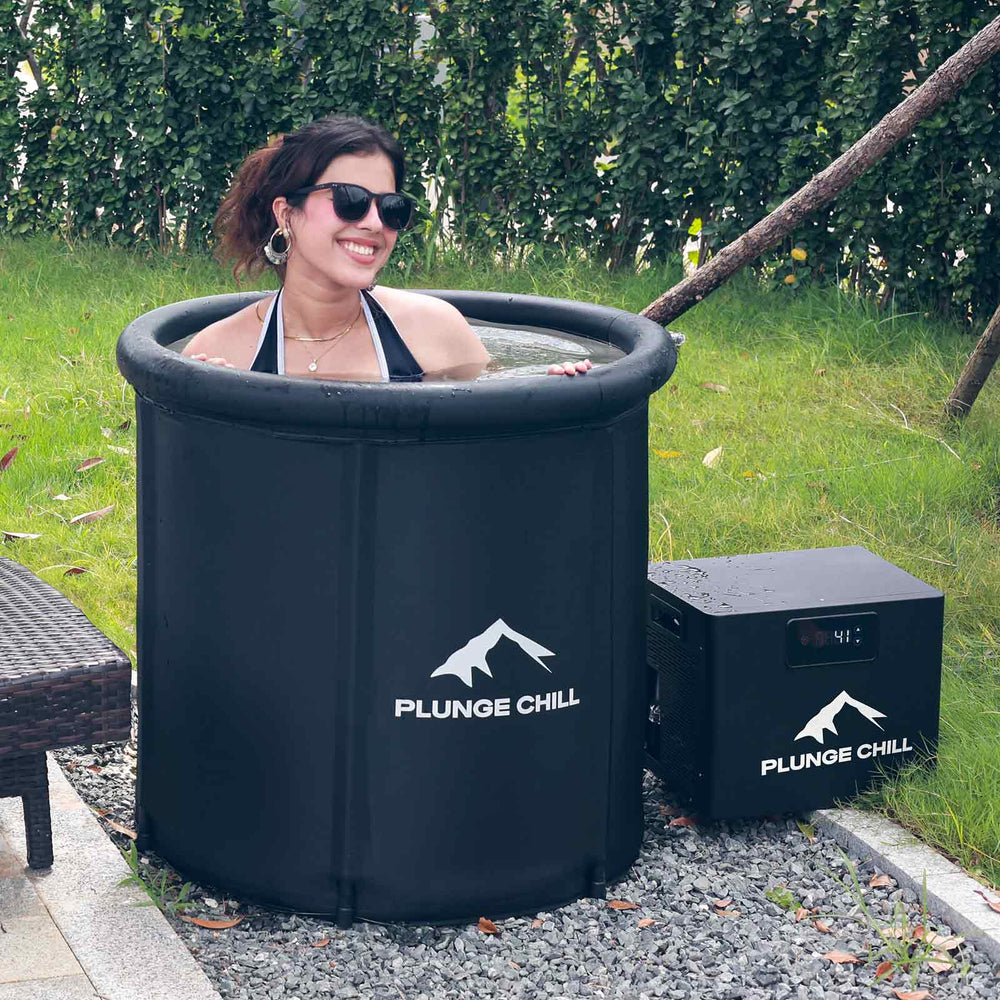
As a sports rehabilitation specialist and strength coach who reviews cold plunge products in the field, I see two kinds of athletes walk into my facility: those who chase the jolt and those who pursue the calm. The first group wants a surge of alertness. The second wants a reliable downshift into recovery, composure, and sleep readiness. This article focuses on that second goal—parasympathetic activation—and what the evidence and practical experience suggest about using cold water intelligently to cue a calmer nervous system without compromising training adaptations or safety.
Parasympathetic Activation, In Plain Language
Your autonomic nervous system has two main branches. The sympathetic branch primes you to go—faster heart rate, shallow breaths, and a readiness to sprint or lift. The parasympathetic branch helps you land—slower heart rate, deeper, longer exhales, and a body position that favors digestion and tissue repair. Heart rate variability (HRV) is a practical lens for this balance; higher, more adaptable HRV usually reflects a stronger parasympathetic input during recovery.
Cold exposure complicates the story. The first seconds of immersion trigger a predictable sympathetic surge: breath spikes, heart rate jumps, and blood pressure rises. That “cold shock” response is why controlled, slow breathing is a non-negotiable skill in the tub. With breath regulation and adequate tolerance, many users experience a shift toward parasympathetic dominance as the exposure stabilizes and especially in the hours after rewarming. Clinical groups and hospital systems describe this as “rebalancing the nervous system” or improving perceived calm and sleep quality, especially when cold is performed earlier in the day and followed by gradual rewarming, not a sudden blast of heat (Cleveland Clinic; Mayo Clinic Health System). Some training communities also associate longer exhales with a more pronounced vagal (parasympathetic) effect during and after immersion.
One important nuance from the broader literature is timing. A recent meta-analysis in PLOS ONE found time‑dependent effects: inflammation markers rose immediately and at one hour post‑exposure, while perceived stress decreased at twelve hours, with no significant stress changes right away. That pattern fits the lived experience of athletes who feel “keyed up” right after cold but notably calmer later in the day. It also suggests you should not judge parasympathetic benefits by the first five minutes out of the tub.

What the Evidence Actually Supports
Recovery outcomes are not all-or-nothing. Across systematic reviews and meta-analyses, cold water immersion (CWI) most consistently reduces immediate soreness and perceived fatigue after hard efforts, with modest or short‑lived effects on objective performance in the next one to two days. A large network meta-analysis of 55 randomized controlled trials concluded that ten to fifteen minutes around 50–59°F is the most reliable setting for reducing soreness, while the same time at 41–50°F better improved jump performance and lowered creatine kinase, a muscle damage biomarker (Frontiers in Physiology; PubMed Central). Several hospital and university sources further caution that post‑lift immersion can blunt strength and hypertrophy signaling, recommending a separation window of at least six to eight hours—often longer—between strength work and cold exposure (OSU Wexner Medical Center; Mayo Clinic Press; PubMed Central).
Mental outcomes have promise but remain mixed. Clinical centers report improved resilience, composure, and focus in some users, alongside better sleep when cold is not placed too close to bedtime (Cleveland Clinic; Mayo Clinic Health System). There is also a large observational study showing fewer sick‑day callouts among people finishing showers with a short cold blast, but immune markers were not tracked, so the mechanism is unknown (Mayo Clinic Press). Overall, cold is better viewed as a practical, short‑term recovery tool and arousal modulator, not a cure‑all.

Overlooked Insights You Can Use
A pattern that tends to get ignored is that “colder is better” isn’t universally true. The network meta-analysis ranked approximately 52–59°F for ten to fifteen minutes as the most effective for soreness relief, while colder water in that same time window was best for certain performance and biomarker recovery endpoints. This matters if your goal is calm and comfort first; a moderate temperature gives more room for steady breathing, less cold shock, and likely better adherence, without giving up the benefits most people care about the day after training (Frontiers in Physiology; PubMed Central).
Another nuance is that the anti‑stress effects are delayed. PLOS ONE found no immediate stress reduction but a significant drop by twelve hours, whereas many online accounts promise instant serenity. Differences in definitions (perceived stress vs. hormones), populations, and settings—lab baths versus open‑water swims with social factors—likely explain the mismatch. If you are evaluating calm, assess your baseline and follow‑up HRV and subjective tension later in the day, not at the tub’s edge (PLOS ONE;
Finally, if you must perform again within hours, hot water immersion may preserve near‑term power better than cold, according to an American Physiological Society conference report comparing 104°F hot immersion to 59°F cold after high‑intensity running. Cold still has a role for soreness and edema control, but for short‑turnaround explosive output, heat may be smarter. This was a small, male‑only sample and a meeting presentation; treat it as early signal, not doctrine (American Physiological Society;
Protocols That Favor Calm Over Shock
When I’m programming for parasympathetic activation instead of pure hormetic stress, I bias moderate temperatures, short sets, and long exhale breathing. The practical reason is simple: most people breathe better and regain control faster slightly warmer than “ice‑bath cold,” and the literature suggests that moderate temperatures confer strong soreness relief with less discomfort. I also favor earlier‑day sessions to avoid sleep disruption and pair cold with slow rewarming—dry layers, a warm drink, and easy movement rather than a scorching sauna.
Here is a compact way to translate goals into parameters.
|
Goal |
Water temp (°F) |
Time per session |
Placement vs training |
Evidence notes |
|
Downshift nervous system and feel calmer later |
About 50–59 |
1–3 minutes, one to three sets as tolerated |
Earlier in the day; not right before bed |
Stress reduction appears around twelve hours post (PLOS ONE); clinical groups report better sleep when cold is not late-night (Cleveland Clinic; Mayo Clinic Health System) |
|
Ease soreness after endurance or skill work |
About 50–59 |
3–10 minutes total |
Immediately or within an hour |
Consistent soreness relief; moderate temps rank best for DOMS (Frontiers in Physiology) |
|
Preserve strength/hypertrophy while still getting calm |
About 50–59 |
2–5 minutes total |
Separate from lifting by 6–8+ hours or use on rest days |
Post‑lift cold can blunt anabolic signaling; separate sessions (OSU; Mayo Clinic Press; PubMed Central) |
|
Back‑to‑back explosive events same day |
Prefer warm immersion around 104; brief cool rinse optional |
5–10 minutes warm; cool only if needed |
Within the first hour post effort |
Hot water outperformed cold for near‑term power in a small study (American Physiological Society; Confidence: Low) |
|
Weekly “maintenance dose” for alertness/recovery |
About 50–59 |
Accumulate roughly 11 minutes across 2–4 sessions |
Non‑lifting days or far from lifts |
The 11‑minute target is a practical benchmark cited in public science communications and training guides; individualize based on tolerance (Breakthrough PT; Huberman newsletter) |
If you are new, starting around 59–64°F for one to three minutes helps you practice slow entry and unforced breath control. Advanced users will sometimes go to 39–50°F, but colder water escalates risk and reduces your margin for error. Several hospital systems advise avoiding sub‑40°F altogether for general wellness work and to verify temperature with a thermometer (Cleveland Clinic).

When Cold Helps—and When It Gets in the Way
If your priority is being ready for tomorrow’s aerobic or skill session and you tend to ruminate after late‑day training, a brief cold session earlier in the day can promote a calmer trajectory through the evening, provided you rewarm gradually. For athletes in a tournament setting, cold remains very useful for soreness and swelling control, particularly after endurance‑dominant loads.
But if you are chasing strength and muscle growth, repeated post‑lift cold washes out the very cellular signals you want. Multiple sources warn of blunted hypertrophy with routine cold right after resistance training. A mechanistic trial in trained men suggests the dampening is not explained by changes in intramuscular inflammation; instead, it likely occurs upstream at the protein‑synthesis level (OSU Wexner Medical Center; PubMed Central). The practical move is periodization: use cold heavily when you value quick turnarounds more than adaptations, and use it sparingly—or time‑shifted—when you are building.

Safety and Contraindications
Cold shock is real. The first breath‑hold gasp reflex and rapid hyperventilation can be dangerous if your head goes under. Cardiovascular load also rises. People with heart disease, uncontrolled hypertension, cold urticaria, Raynaud’s, neuropathy, or pregnancy should get medical clearance first. Never plunge alone. Enter and exit slowly. Keep the head above water. Stop if you feel numbness, dizziness, or confusion. If you are outdoors, prepare dry layers and a plan to rewarm gradually; frostbite and hypothermia are environmental risks, not just water risks (Cleveland Clinic; Mayo Clinic Health System).
The range most organizations recommend for general practice is about 50–59°F for a few minutes, with beginners starting warmer. Several sources advise against going below about 40°F because risk rises while benefits do not clearly increase (Cleveland Clinic). Some people report better sleep with cold, others find it stimulating; if your sleep gets worse, move the session earlier or skip it (Mayo Clinic Health System).

A Product Reviewer’s Guide to Calm‑Forward Plunges
In the clinic and during at‑home trials, the cold systems that best support parasympathetic outcomes have one thing in common: they reduce friction. Precise temperature control, stable thermals throughout the soak, and clean, clear water make it easier to breathe slowly and stay with the session.
On temperature, look for a chiller that actually holds a set point in your climate. Erratic cycling forces attention back to shock rather than breath. Tub geometry matters. If you cannot get your torso comfortably submerged to chest level without cramped hip or thoracic positions, you will end up bracing instead of relaxing. Materials and insulation impact both noise and energy draw; quiet pumps support calmer sessions. For filtration, systems combining a fine filter with ozone and/or UV make it easier to run low‑chlorine setups without odors or eye sting. A reliable drain and easy filter access reduce maintenance stress.
Here’s a compact comparison of features that consistently matter for calm‑oriented users.
|
Feature |
Why it matters for calm |
Practical benchmark |
|
Temperature stability |
Reduces cold shock swings that hijack breathing |
Holds within about ±1–2°F of set point during a 5–10 minute soak |
|
Filtration and sanitation |
Clear water reduces irritants that elevate arousal |
Fine cartridge plus ozone/UV; simple weekly clean and monthly filter swap cadence |
|
Tub geometry and depth |
Supports relaxed posture and diaphragmatic breathing |
Chest‑level immersion without joint crowding; stable footing; secure step |
|
Noise and vibration |
Easier to maintain long exhales |
Quiet pump/chiller housing; minimal vibration through floor |
|
Energy efficiency |
Lower operating cost supports consistent practice |
Insulated lid and lines; duty cycle matched to climate |
|
Safety infrastructure |
Fewer “what ifs” reduces anticipatory stress |
GFCI outlet, anti‑slip surfaces, easy‑grip handholds, accurate thermometer |

Care and Sanitation Without the Hassle
Calm begins before you open the lid. Keep a simple routine: skim after use, clean the filter on a fixed schedule, and refresh or shock the water per the manufacturer’s protocol. If you run low‑chlorine, a combination of filtration with ozone or UV plus measured oxidizer doses prevents biofilm and odor without harshness. Rinse off lotions and sweat before sessions. Keep a thermometer clipped to the tub and trust it over the panel display if they disagree. Have dry layers and a warm, non‑caffeinated drink ready to support a gentle rewarm, and avoid immediate scalding heat, which can feel jarring.
Pros and Cons for the Calm‑Focused Athlete
Cold exposure offers repeatable short‑term reductions in soreness and perceived fatigue, a later‑day drop in perceived stress for many users, and a portable way to practice breath‑led state control. It is also a powerful tool for heat‑based recovery, such as after long runs in the summer. The major trade‑offs are the risk of blunting strength and hypertrophy when cold follows lifting, the cardiovascular load during cold shock, and variability in mental responses. People who are already keyed up may need to start warmer, keep exposures brief, and place sessions earlier in the day. In real‑world training, periodizing cold and matching the water to the goal preserves benefits while avoiding common pitfalls (OSU; PLOS ONE; Mayo Clinic Health System).
Reconciling Conflicting Advice
You will find guidance online that praises near‑freezing baths and others that advise warmer water for recovery. Differences often stem from definitions and measurement windows. Studies that prioritize soreness often rank about 52–59°F for ten to fifteen minutes as best, while those tracking creatine kinase or immediate jump performance sometimes favor colder water in the same time band (Frontiers in Physiology). Likewise, performance between events within hours may favor hot water for power, while soreness relief or next‑day readiness trends toward cold. Populations, environments, and assessment timeframes vary substantially across studies; adjust your interpretation accordingly (American Physiological Society; PubMed Central;
Practical Breathing for Parasympathetic Shift
Across athletes, the simplest cue that translates under cold stress is to make the exhale longer than the inhale. Start with a soft inhale through the nose and extend the exhale through the nose or pursed lips. After the initial first minute of cold shock, the breath almost always becomes more tractable at moderate temperatures. Some endurance athletes also like ending with cold and rewarming naturally to encourage mild shivering, which can support a sense of calm fatigue afterward. That pattern is discussed in public science communications and training communities; it has mechanistic plausibility but is not a medical prescription (Runner’s World; Huberman newsletter; assisted rewarming).
Frequently Asked Questions
How cold should the water be if my goal is calm?
For most people, about 50–59°F offers the best balance of manageable breathing and strong recovery benefits. Beginners should start warmer, around the low 60s, and shorten time to one to three minutes. Verify temperature with a thermometer; panel readings can drift (Cleveland Clinic; Frontiers in Physiology).
Will cold right after lifting hurt my gains?
Repeated post‑lift immersion can blunt the cellular signals for strength and hypertrophy. If muscle growth is your priority, keep a six to eight hour buffer after lifting, or save cold for a rest day. If you are in a competition phase and need to trade some adaptation for readiness, cold is still an option with eyes open (OSU Wexner Medical Center; Mayo Clinic Press; PubMed Central).
Can cold help me sleep?
It can, especially when done earlier in the day with gradual rewarming, and when you avoid large late‑night arousal spikes. Some people find late plunges too stimulating. If your sleep worsens, move sessions earlier or skip them (Mayo Clinic Health System; Cleveland Clinic).
Is hot water ever better than cold?
If you must restore explosive power within hours, warm immersion around 104°F may outperform cold in the short term, according to a small conference study. Cold remains helpful for soreness and swelling control. Treat this as preliminary and match the water to the task (American Physiological Society;
How much should I do per week?
A practical weekly target is roughly eleven minutes spread over two to four sessions. That dose shows up often in training guidance and aligns with clinical recommendations to start shorter and progress as tolerance improves. Individualize based on response and goals (Breakthrough PT; Huberman newsletter).
What if I feel anxious in the tub?
Start warmer and shorter, emphasize long exhales, and ensure a stable, safe setup with someone nearby. Many people find control improves markedly after the first minute as the cold shock subsides. If anxiety persists, discontinue and discuss options with a clinician, particularly if you have cardiovascular risk factors (Cleveland Clinic).
Takeaway
For calm‑focused recovery, the smartest cold is not the coldest cold—it is the exposure that lets you breathe slowly, exit safely, and feel measurably more composed later in the day. The weight of evidence supports moderate temperatures around 50–59°F for ten to fifteen minutes when soreness relief is the goal, with shorter, warmer starts for beginners and a clear separation from strength sessions to protect adaptations. Respect the initial sympathetic surge, train the long exhale, and rewarm gently. If you need near‑term power between events, lean warm. If you want a calmer system for tomorrow, go moderately cold today. As with any tool, pairing sound protocols with the right equipment and simple care routines turns a trend into a dependable part of your recovery program.
References available by publisher name: Cleveland Clinic, Mayo Clinic Health System, Mayo Clinic Press, OSU Wexner Medical Center, PLOS ONE, Frontiers in Physiology, American Physiological Society, PubMed Central, Runner’s World, Breakthrough PT, Huberman Lab Newsletter.
References
- https://lms-dev.api.berkeley.edu/cold-tub-therapy
- https://www.health.harvard.edu/staying-healthy/research-highlights-health-benefits-from-cold-water-immersions
- https://www.mcphs.edu/news/physical-therapist-explains-why-you-should-chill-out-on-ice-baths
- https://journal.parker.edu/article/120141-the-efficacy-of-icing-for-injuries-and-recovery-a-clinical-commentary
- https://www.rutgers.edu/news/what-are-benefits-cold-plunge-trend
- https://ideaexchange.uakron.edu/cgi/viewcontent.cgi?article=3606&context=honors_research_projects
- https://commons.und.edu/cgi/viewcontent.cgi?article=1076&context=pas-grad-posters
- https://sncs-prod-external.mayo.edu/hometown-health/speaking-of-health/cold-plunge-after-workouts
- https://pmc.ncbi.nlm.nih.gov/articles/PMC11897523/
- https://health.osu.edu/wellness/exercise-and-nutrition/do-ice-baths-help-workout-recovery
Disclaimer
By reading this article, you acknowledge that you are responsible for your own health and safety.
The views and opinions expressed herein are based on the author's professional expertise (DPT, CSCS) and cited sources, but are not a guarantee of outcome. If you have a pre-existing health condition, are pregnant, or have any concerns about using cold water therapy, consult with your physician before starting any new regimen.
Reliance on any information provided in this article is solely at your own risk.
Always seek the advice of a qualified healthcare provider with any questions you may have regarding a medical condition, lifestyle changes, or the use of cold water immersion. Never disregard professional medical advice or delay in seeking it because of something you have read in this article.
The information provided in this blog post, "Cold Plunge Parasympathetic Activation: The Key to Calm Recovery," is for informational and educational purposes only. It is not intended to be a substitute for professional medical advice, diagnosis, or treatment.
General Health Information & No Medical Advice