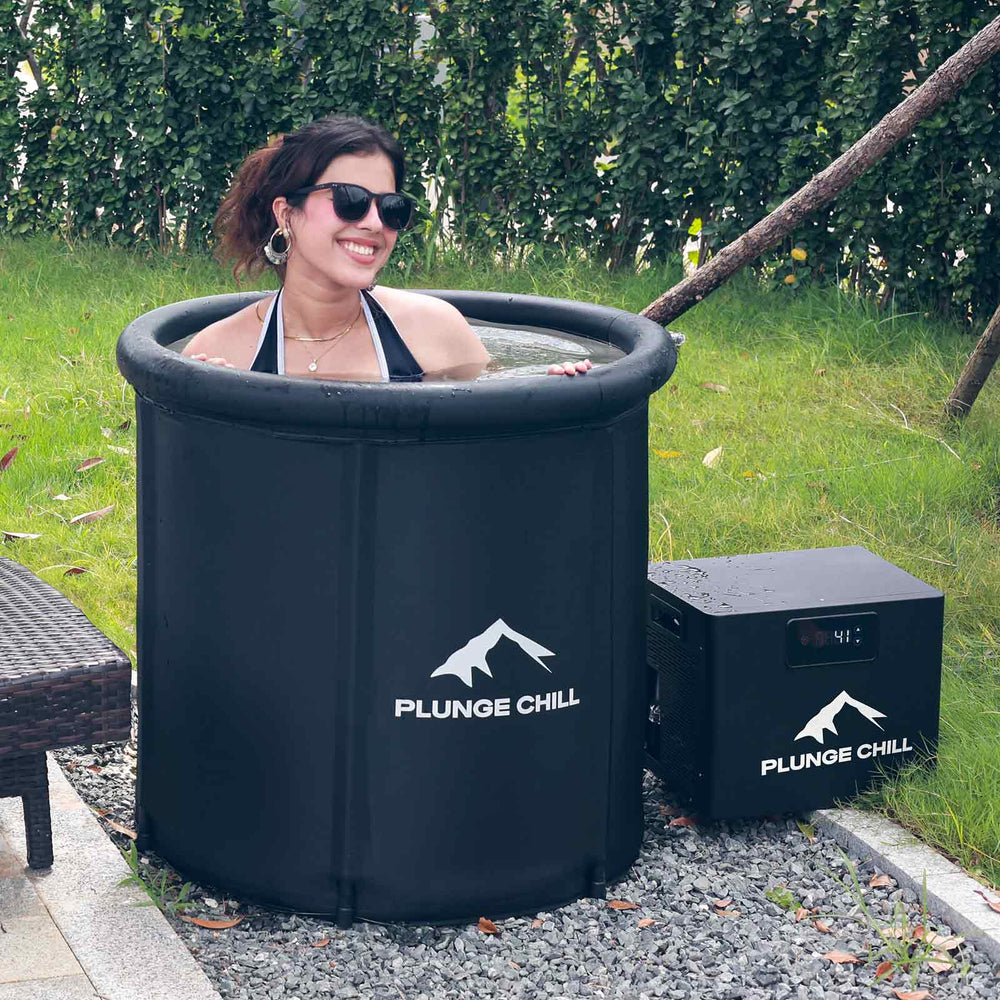
Summary: In 2026, the best cold plunge systems borrow from industrial chiller technology—using smarter controls, safer refrigerants, and better heat exchangers—to deliver colder, more stable, and more efficient recovery than any tub full of melting ice.
From Trash Cans of Ice to Precision Cooling
As a strength coach and rehab specialist, I remember when a “cold tub” meant a stock tank, trash can, and a gas station run for 200 lb of ice. Temperatures were inconsistent, sessions were short, and the cost added up fast.
Modern plunge systems replace that chaos with dedicated chillers, adapted from commercial HVAC and process cooling. These units circulate water or water–glycol through a closed loop, pulling heat out of the tub the same way data centers and hospitals protect multimillion‑dollar equipment.
Industrial suppliers like CIS Industries and Asset-Eyes Infomatics report strong demand for high-efficiency chillers in critical environments. That same engineering is now scaled down and packaged for garages, training rooms, and home gyms.

Inside a 2026 Plunge Chiller
Most plunge chillers still use a vapor‑compression cycle: compressor, condenser, expansion device, and evaporator. The difference in 2026 is how refined each piece has become.
- Heat exchangers: Manufacturers borrow microchannel and enhanced‑tube designs from industrial units (cited by Blackhawk Equipment and BASCO), which move more heat with less refrigerant. For you, that means faster pull‑down from tap water to 45°F and better temperature hold during back‑to‑back athletes.
- Variable‑speed components: LiquiChiller and Asset-Eyes describe widespread use of variable‑speed drives on compressors and pumps. In a plunge, that translates to quieter operation at idle and strong output only when needed, instead of a noisy, always‑on compressor.
- Refrigerants: Regulations like the AIM Act are pushing chillers toward low‑GWP HFO blends and, in some cases, CO₂ or hydrocarbons. Blackhawk Equipment notes that many of these fluids are more efficient but can be mildly flammable or require higher pressures, so reputable plunge brands now design for both safety and compliance rather than just “cold at all costs.”
Nuance: Lower‑GWP refrigerants are not automatically better for every home setup; they need well‑designed leak detection and ventilation in larger commercial systems, which is why certification and third‑party testing matter.
What This Tech Means for Recovery
From a rehab perspective, the value of these upgrades is simple: repeatable stimulus. For most athletes I work with, we target 39–55°F water for 5–12 minutes, depending on the training block and injury status. You cannot dose that precisely with ice bags and guesswork.
Industrial maintenance data from BASCO and Vertex show that fouled chiller tubes can lose 15–30% heat‑transfer capacity. In a cold plunge, that’s the difference between holding 45°F through a team session versus creeping into the low 50s and under‑dosing the cold exposure.
Smarter chillers also integrate with sensors and controls similar to those used in data centers (Delta T Systems, Asset-Eyes). That allows:
- Tight temperature control within a few degrees over long sessions
- Safer operation via flow, pressure, and leak monitoring
- Remote alerts if a unit drifts warm before a heavy training day
For athletes, this means more predictable vasoconstriction, reduced post‑exercise soreness, and better protocol adherence—without the logistical headache of managing ice.

How to Judge a Plunge Chiller in 2026
When I review cold plunge units now, I look at them the way an engineer would look at a small process chiller. Focus on these five checks:
- Temperature range and stability: Can it reliably hold sub‑50°F with your actual tub volume (often 80–120 gallons), not just in marketing claims?
- Cooling capacity: Look for clear BTU/hour or ton ratings; undersized units will struggle once you add a 220‑lb athlete and a warm refill.
- Refrigerant and efficiency: Prefer low‑GWP refrigerants and published efficiency metrics (even simple COP/EER figures) over vague “eco” language.
- Controls and connectivity: Digital setpoints, error codes, and optional app monitoring make it easier to integrate into a rehab plan and spot issues early.
- Serviceability: Access to filters, coils, and strainers matters; Vertex and BASCO both emphasize that easy tube and coil cleaning is one of the biggest drivers of real‑world efficiency.

Maintenance: The Hidden Performance Variable
The same best practices that keep industrial plants online should guide how you treat your plunge chiller. BASCO, Vertex, and others consistently highlight a few habits:
- Keep a simple log of water temperature, run time, and error codes so you see trends, not surprises.
- Clean air‑side coils and inlet screens regularly; dust and pet hair can quietly rob you of cooling capacity.
- If your unit uses glycol, maintain the concentration so the freeze point stays well below your coldest setpoint; this protects the evaporator from ice damage.
- Schedule professional service at least annually to inspect refrigerant charge, electrical connections, and pump health, especially in high‑use team settings.
In 2026, going “beyond ice cubes” is no longer a luxury—it is the baseline if you want cold plunges to be a precise, reliable training and rehab tool rather than a messy ritual. The tech is here; the competitive edge now lies in choosing well‑designed systems and maintaining them like the critical performance equipment they are.

References
- https://www.epa.gov/greenchill/advanced-refrigeration-technologies
- https://evolutionmechanical.net/blog/energy-star-commercial-refrigeration/
- https://www.apexengineeringproducts.com/best-practices-for-maintaining-chillers-in-the-food-beverage-industry/
- https://bascousa.com/blog/six-steps-for-industrial-chiller-maintenance-and-efficiency?srsltid=AfmBOoovLIsIi_fgUP-zzXGT71MybuS3IRbdNNSE6QxdLgvN79DqE2oV
- https://blackhawkequipment.com/resources/Refrigerants-and-Chiller-Technologies