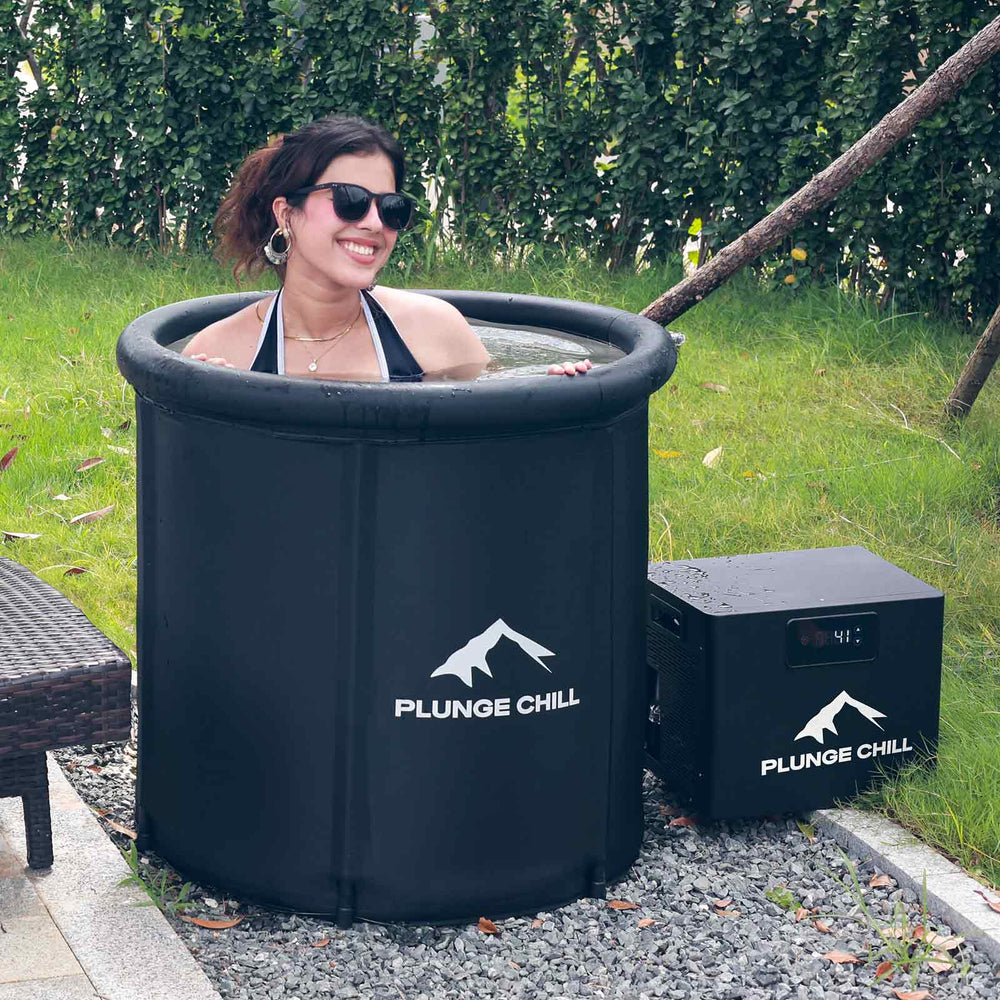
Cold plunging has moved from pro locker rooms and elite rehab clinics into neighborhood gyms, boutique spas, and backyards. As a sports rehabilitation specialist and strength coach who also reviews cold-plunge products, I’ve installed and supervised units in team recovery rooms, trialed portable setups in cramped apartments, and tested premium stainless and acrylic tubs in purpose-built home gyms. This article maps where cold plunges are available today, how the market is evolving, what matters for safety and sanitation, and how to choose the right option for your goals and budget—all grounded in the best available evidence and practical experience.
What Counts as a Cold Plunge—and Why People Use It
A cold plunge is a short, deliberate immersion in cold water, typically in the 50–59°F range, aimed at reducing post-exercise soreness, moderating inflammation, and providing a mental reset. Clinical and institutional sources such as Cleveland Clinic, Mayo Clinic Health System, Kaiser Permanente, and a recent review archived on PubMed Central converge on several themes. Cold constricts blood vessels, reduces local metabolic activity, and can dampen inflammatory signaling; upon rewarming, circulation rebounds, which may help clear byproducts from exercise. Beyond the muscles, cold exposure can acutely boost alertness and positive affect; imaging work in healthy adults bathing at roughly cool-to-cold temperatures has shown changes in brain network coupling that align with improved attention and mood. Evidence is mixed on immune and long-term cardiometabolic outcomes, and optimal dose remains uncertain, but short sessions at moderate cold appear reasonable for healthy adults with appropriate screening.

Where Cold Plunges Are Available Now
The availability landscape is broad. Many big-box gyms now pair a cold tub with sauna or steam. Boutique recovery studios bundle cold immersion into 45–60 minute “contrast” circuits. Physical therapy clinics use plumbed hydrotherapy units selectively for athletes and post-operative protocols. At home, the market spans stock tanks fed by ice, insulated tubs paired with drop-in chillers, and premium self-contained units with filtration, ozone or UV, and digital temperature control. Municipal adoption is uneven but growing; proposals to add stand-alone cold tanks to public facilities have surfaced in community forums as residents look for safe, affordable alternatives to ocean dips.
Availability Channels at a Glance
Channel |
Typical Access |
Main Advantages |
Main Limitations |
Typical Cost to User |
Big-box gyms |
Membership with shared access |
Reliable hours; paired heat options |
Crowding; variable cleanliness; posted time limits |
Monthly dues; day passes in some markets |
Boutique recovery studios |
Session-based bookings |
Staff oversight; contrast circuits |
Higher per-visit cost; peak-time scarcity |
Session fees; packages |
Physical therapy/sports medicine |
Clinical referral or add-on |
Targeted protocols; monitoring |
Access limited to indications; schedule constraints |
Visit co-pay or session fee |
Home DIY (ice bath/stock tank) |
Immediate; space dependent |
Lowest upfront cost |
Ice logistics; poor temperature control |
Ice and water costs |
Home stand-alone/chiller tub |
On-demand; controlled |
Precise temperature; filtration |
Upfront cost; maintenance |
From low-thousands to premium tiers |
Custom/commercial recirculating |
For facilities or high-end homes |
Highest durability; codes compliance |
Design/permits; significant install |
Project-based pricing |
This distribution is dynamic. Over the past two seasons, I’ve seen waitlists vanish at mid-tier gyms as new units came online, while boutique studios have tightened session windows during peak hours to maintain water quality and turnover.
What the Evidence Says—and Where It Conflicts
For recovery, multiple medical sources describe reductions in post-exercise soreness when immersions occur soon after training, with commonly cited starting points around 50–59°F for a few minutes. Cleveland Clinic suggests one to three minutes for beginners, typically not exceeding five minutes. Kaiser Permanente’s guidance highlights 10–15 minutes in that same temperature band for some users and notes a 2016 study in PLOS One reporting fewer sick days among people using hot-to-cold showers. Mayo Clinic Health System cautions that daily post-lift plunges may blunt muscle growth and strength gains, while not appearing to similarly impair endurance adaptations. Harvard Health urges people with cardiovascular disease—especially arrhythmias—to avoid plunges because cold shock acutely spikes sympathetic drive and cardiac workload.
The result is a workable, conservative synthesis for healthy adults: start warmer within the accepted band, keep sessions very short, focus plunges after endurance or mixed sessions when recovery is the goal, and wait several hours after heavy lifting if maximizing hypertrophy and strength is the priority. Anyone with cardiovascular, vascular, or respiratory conditions should discuss risks with their clinician first.
Evidence-Based Starting Points by Source
Source |
Temperature |
Duration |
Frequency |
Notes |
Cleveland Clinic |
50–59°F starting range |
1–3 minutes typical; avoid beyond 5 minutes |
Gradual progression |
Advanced users may target 39–50°F; avoid <40°F |
Mayo Clinic Health System |
About 50°F or colder |
30–60 seconds building to 5–10 minutes |
Daily possible with caveats |
Delay after heavy resistance training |
Kaiser Permanente |
50–59°F common |
Up to 10–15 minutes reported |
A few times weekly |
Notes hot-to-cold shower study on sick days |
University of Utah Health |
Cold activation emphasis |
Total weekly exposure about 11 minutes mentioned in winter swimmers |
2–3 sessions weekly |
Cohort differences limit generalization |
A note on the “eleven minutes per week” talking point popular on social media: the University of Utah Health podcast cites work in winter swimmers totaling roughly that much time per week. Given that cohort’s acclimation, outdoor conditions, and demographics, it likely over-represents resilience compared with average gym-goers.
Product Landscape: From $100 Stock Tanks to Premium Stainless
As a reviewer, I focus on four criteria: temperature precision, hygiene systems, durability, and serviceability. DIY stock tanks with ice are unbeatable on price and portability but are blunt instruments; water temperatures drift, and sanitation relies on frequent drain-and-scrub. Stand-alone units with integrated chillers maintain a fixed setpoint with timers and can sit comfortably at 50–59°F or lower. Filtration and disinfection vary widely; some combine cartridge filters with ozone or UV, but residual disinfectant is still required for safety. Premium commercial or custom builds—such as stainless or copper vessels from specialty fabricators—offer long service life, integrated drains, and tight tolerances suitable for shared use when paired with commercial-grade circulation and dosing.
Cold Plunge Options Compared
Option |
Typical Price |
Temperature Control |
Hygiene Approach |
Who It Fits |
DIY ice bath in tub/bin |
100.00 |
Ice-dependent, variable |
Drain and scrub after use |
Curious beginners, minimal space/budget |
Stock tank + ice |
About 300.00 plus ice |
Manual; swings with ambient |
Frequent water changes |
Outdoor users; short-term trials |
Stand-alone chiller tub |
~15,000.00+ |
Digital setpoint; stable |
Filter + UV/ozone; add residual |
Dedicated home users; small studios |
Custom/commercial recirculating |
Project-priced |
Building-integrated control |
Automatic dosing + turnover |
Clinics, gyms, high-end residential |
Vendors position luxury units with features like deep seating and sloped decks for drainage to streamline entry, exit, and maintenance. Example specifications for plunge pools show depths around 52 inches that enable full-body immersion without the footprint of a lap pool, useful for athletes who want seated submersion to the upper chest.

Safety and Sanitation: What Actually Keeps Water Safe
Cold does not sanitize. The National Collaborating Centre for Environmental Health synthesizes guidance for cold plunge tanks, emphasizing that cold water slows disinfectant chemistry at the same time microbial growth slows. Stand-alone units without recirculation in personal service settings often sit in a regulatory gray zone; best practice is to drain, clean, and disinfect between each user with an EPA-registered product. Recirculating systems should maintain a residual disinfectant—chlorine or bromine—even if they use UV or ozone, and follow turnover requirements similar to spas; the Model Aquatic Health Code treats cold and warm spas alike. California guidance adds size and depth limits for commercial cold plunges, requires pairing with a hot spa, and mandates refrigeration and recirculation standards.
A frequent blind spot is filtration fineness. Many consumer plunge filters are around 20 microns. That is inadequate for protozoa such as Cryptosporidium and Giardia, which require filtration on the order of a single micron or less. This matters even more for shared tubs, where athlete clusters of skin and soft-tissue infections have historically been linked to poor hygiene in whirlpools and ice baths.
Pragmatically, a facility that understands cold-plunge sanitation posts water chemistry targets, maintains logs, enforces time limits to control bather load, and provides hand/foot rinses and towels to reduce contaminants. At home, a simple discipline—shower first, avoid lotions, keep hair tied, and track filter changes—goes a long way toward keeping water clear and safe.

How to Use Cold Plunging Without Undercutting Training
Timing depends on the goal. After endurance or mixed sessions when soreness is the priority, a brief plunge in the 50–59°F range within an hour of finishing can make the next day more tolerable. When building strength and muscle is the priority, several sources recommend delaying cold exposure by four to six hours after heavy lifting, as immediate cold appears to blunt hypertrophy and strength adaptations. This distinction helps reconcile why some athletes swear by daily plunges while others avoid them on key lifting days.
People with cardiovascular disease, arrhythmias like atrial fibrillation, significant hypertension, peripheral artery disease, or Raynaud’s phenomenon should avoid plunges or seek clinician clearance. Cold shock drives an immediate surge in breathing, heart rate, and blood pressure; risk is magnified in outdoor conditions with currents, ice, or wind. For new users, shorter duration and a slightly warmer setpoint within the accepted band improve adherence and reduce risk.
An overlooked operational insight: many studios advertise “sub-40°F for grit,” but recovery research often clusters around 50–59°F. Extremely low setpoints may maximize sensation rather than outcomes for soreness and return-to-training.

Buying Tips: A Decision Framework That Holds Up
Space and drainage determine form factor. If you cannot safely drain 100–150 gallons without risking a neighbor’s ceiling, you either need outdoor placement, a floor drain, or a much smaller format. Temperature stability matters more than the coldest number on a spec sheet; a unit that sits rock-solid at 50–55°F and recovers quickly between users is more useful for actual training cycles than one that dips to the low 30s but swings with ambient conditions. Filtration and disinfection should be transparent; look for a real plan for residual disinfectant in addition to UV or ozone. Service and support are not luxuries; a chiller is a refrigeration product, and local service access matters when a pump fails.
Ongoing costs accrue from electricity, replacement filters, disinfectants, and in DIY scenarios, ice and water. Entry-level home users can see meaningful benefits with a budget setup and good hygiene habits. Dedicated athletes and shared environments usually justify integrated filtration and disinfection, clear signage, and staff oversight.
Matching Goals to Product Types
Goal |
Best-Fit Option |
Rationale |
Occasional soreness relief and experimentation |
DIY ice bath or stock tank |
Minimal upfront cost; confirm personal tolerance |
Regular post-run recovery |
Stand-alone chiller tub |
Stable 50–59°F setpoint; quick turnaround |
Team or clinic use with multiple users |
Recirculating commercial system |
Turnover, dosing, compliance, and durability |
Luxury home wellness with contrast |
Premium custom plunge + sauna |
Seamless hot–cold pairing and long service life |
Care and Maintenance That Actually Works
Clean water is a behavior plus equipment story. Set a residual disinfectant target and measure it. Replace filters on schedule and after heavy use. Keep cosmetics, body oils, and street grit out of the tub by instituting a quick rinse. Drain and deep-clean at a regular cadence, using an EPA-registered disinfectant and paying attention to benches, seats, and hidden corners where biofilms take hold. Remember that cold slows chemistry; if you run very cold, give disinfectants the contact time they require.
In stand-alone or shared settings without recirculation, the safest play is single-user, single-fill: drain, clean, and disinfect between users. While labor-intensive, it aligns with public-health guidance for small hydrotherapy vessels and removes guesswork for pathogens that slip past coarse filters.

Availability Trends and How to Find a Spot
Urban centers continue to add cold plunges faster than suburban markets, but availability is improving everywhere. Big-box gyms are integrating compact plunge wells, and boutique studios are expanding morning and lunchtime circuits. Online searches are useful but not definitive; mobile directories sometimes fail to surface specialty offerings due to category mismatches or incomplete listings. I have encountered snapshots where a local search returned no listings despite known studio availability nearby, likely due to indexing lag. Calling member services or checking facility amenity pages often beats generic searches when planning a visit.
Seasonality also plays a role. In the lead-up to holidays like Thanksgiving and the New Year, demand spikes as people reboot routines, and same-day bookings can be scarce. Facilities mitigate congestion with shorter time slots and stricter rewarming rules; if you need a specific protocol length, verify ahead.
Quick Protocols I Use in Practice
For healthy adults new to cold exposure, I start warmer and shorter. A practical entry is 55°F for about one to two minutes, focusing on steady breathing and a calm exit. For heat stress recovery after hot outdoor sessions, a brief immersion supports rapid cooling, followed by a gradual rewarm to avoid swings. For mental reset on high-focus days, moderate cool exposure in the 50s for one to three minutes can deliver the alertness bump without heavy autonomic stress. If heavy lifting is on the schedule, I either omit the plunge or save it for later in the day after foundational meals and hydration.
No matter the goal, never go alone if you are pushing tolerance, and never force through chest tightness, numbness, or disorientation. Rewarm with movement and dry layers, not just hot showers, and avoid breath-holds while immersed.
Takeaway
Cold plunging is more available, more configurable, and easier to do well than ever before. The best outcomes come from matching the unit to the environment, the protocol to the training goal, and the hygiene plan to the bather load. For most healthy adults, brief immersions in the 50–59°F range, applied thoughtfully, can reduce next-day soreness and offer a reliable mental reset. The limiting factors are rarely exotic; they are basics like precise temperature control, transparent sanitation, and a plan that respects how cold interacts with training adaptations. If you get those right, the rest—whether you choose a $100 bin or a top-tier recirculating system—falls into place.
FAQ
Q: How cold should my water be when I’m just starting out? A: A conservative, evidence-aligned starting point is in the mid-to-upper 50s Fahrenheit for one to three minutes. This keeps the experience tolerable while still engaging the physiology you want. As tolerance develops, small downward adjustments are reasonable, but keep exposures short and avoid chasing the lowest possible number.
Q: Will a cold plunge after lifting kill my gains? A: If your top priority is strength and muscle growth, it is sensible to delay cold exposure four to six hours after heavy resistance training. Several clinical advisories note that immediate cold can blunt hypertrophy-related signaling, whereas endurance adaptations appear less sensitive.
Q: Is there any real immune benefit, or is that hype? A: Evidence is mixed. A study on hot-to-cold showers reported fewer sick days, while other medical sources describe the evidence base as limited for robust immune outcomes. People often report they feel more resilient, but perceived benefits do not always translate to fewer illnesses. If immunity is your primary goal, prioritize proven behaviors like sleep, nutrition, and vaccinations.
Q: What should I ask a gym or studio about water safety before I book? A: Ask for the posted temperature, how often the water turns over, what disinfectant residual they maintain, and how often filters are replaced. If a provider relies only on UV or ozone, clarify that a chlorine or bromine residual is also maintained. For stand-alone tubs without recirculation, confirm drain-and-disinfect between users.
Q: Is daily cold plunging safe? A: For many healthy adults, brief daily exposures in a moderate cold range are tolerated, especially when not layered immediately after heavy lifting. People with cardiovascular or vascular conditions, asthma, or a history of cold-triggered issues should speak with a clinician first. Outdoors, additional risks from currents, ice, and wind argue for extra caution and shorter sessions.
Q: Do I need a premium unit to see benefits? A: No. A simple setup can deliver meaningful benefits if you manage hygiene and keep temperature within the recommended band. Premium units add precision, convenience, and—in shared settings—safety features that become more valuable as frequency and user count rise.
Sources Cited in This Article
Cleveland Clinic; University of Utah Health; Mayo Clinic Health System; Kaiser Permanente; Harvard Health; National Collaborating Centre for Environmental Health; PubMed Central review on cold water therapy and healthy aging; RHTubs industry guide; Hot Spring Spas product materials; Diamond Spas; Plungepools; Ramaker engineering insights.
References
- https://www.health.harvard.edu/heart-health/cold-plunges-healthy-or-harmful-for-your-heart
- https://www.rutgers.edu/news/what-are-benefits-cold-plunge-trend
- https://sncs-prod-external.mayo.edu/hometown-health/speaking-of-health/cold-plunge-after-workouts
- https://pmc.ncbi.nlm.nih.gov/articles/PMC11872954/
- https://healthcare.utah.edu/the-scope/mens-health/all/2024/04/171-cold-hard-facts-about-cold-plunging
- https://doh.wa.gov/sites/default/files/2024-04/333-347.pdf
- https://health.clevelandclinic.org/what-to-know-about-cold-plunges
- https://mydoctor.kaiserpermanente.org/mas/news/health-benefits-of-cold-water-plunging-2781939
- https://mcpress.mayoclinic.org/healthy-aging/the-science-behind-ice-baths-for-recovery/
- https://www.mayoclinichealthsystem.org/hometown-health/speaking-of-health/cold-plunge-after-workouts