


Cold plunges are usually seen as a winter thing—something you brace yourself for when the air is crisp and the idea of ice-cold water sounds almost appealing. But plenty of people stick with it all year long, even when the temperatures soar. And honestly, dropping into cold water on a hot day? It hits different. In a good way.
That said, plunging in the summer does take a little more thought. The heat outside means your setup has to work a bit harder to keep the water chilly, and your body might react differently when it’s already warm. Here’s what you need to know to keep it safe, refreshing, and worth the effort.

Is Cold Plunging in Summer Safe?
For most healthy people, yes—absolutely. Cold plunge does a few things your body actually loves: tightens up your blood vessels, wakes up your nervous system, clears your head, and helps with muscle soreness and inflammation. Learn more about cold plunge benefit.
In the summer, that contrast between hot air and cold water can be especially powerful. It helps bring your core temperature down fast and resets your system after a sweaty workout or a long day in the sun.
But—and this matters—if you’ve been out in the heat for a while, your body might be warm and possibly a little dehydrated. So don’t just cannonball in. Ease into it. And if it’s a scorcher and you’ve been sweating all afternoon, maybe don’t go for the iciest plunge you’ve ever attempted. Short, controlled dips are the way to go.
Ideal Cold Plunge Temperature in Summer
You don’t actually need to change the water temp much from what you’d use in winter—but a lot of people prefer it slightly warmer when it’s hot out.
A good range to aim for is between 50–59°F (10–15°C).
If you’re newer (Learn Beginners Guide to Cold Plunge) to this, something in the 55–60°F (13–16°C) zone is a solid starting point.
That range is cold enough to give you all the good stuff—the shock, the focus, the recovery—without feeling like you’re punishing yourself. The tricky part is keeping the water that cool when the air is working against you.
How to Keep Your Plunge Cold When It’s Hot Out
If your tub sits outside, you’ve probably noticed that keeping it cold in July is a whole different game than in January. Here’s what actually works:
- Shade is your best friend. If your plunge is sitting in direct sun, the water will warm up fast. Move it under a tree, a pergola, or even just throw up a canopy. It makes a real difference.
- Get an insulated tub. If you're using a cold plunge tub, make sure it's insulated. Not all tubs are built the same—good insulation helps keep the cold in and the heat out, which makes a real difference especially during the summer months. Shop best cold plunge tub in summer.
- Cover it up. Every minute it’s uncovered, it’s soaking up heat. Plus, a lid keeps out leaves, bugs, and whatever else might blow in.
- Watch your equipment. If you’ve got pumps or hoses sitting in the sun, they can heat up and warm the water as it circulates. Keep that gear shaded too.
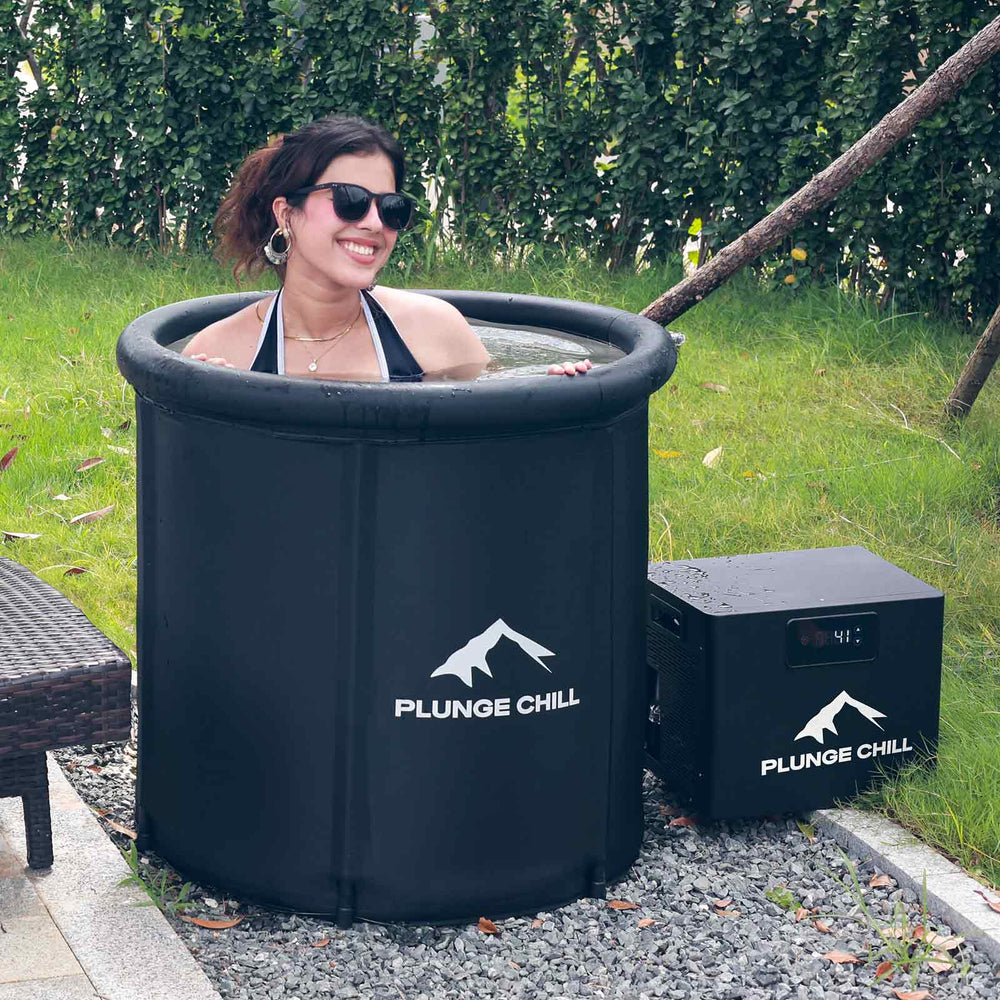
- Consider a chiller. If you plunge regularly, a water chiller is a total game-changer. It keeps the water at a steady temp without you having to babysit it or keep buying ice.

When’s the Best Time to Plunge in Summer?
Honestly, it depends on what you want out of it.
-
Morning: Wakes you up fast. Some people say it replaces their first coffee.
-
Post-workout: Helps calm down inflammation and speeds up recovery.
-
Evening: Nice way to cool off after a hot day and wind down before bed.
Most people seem to prefer mornings or right after exercise during the summer, but there’s no wrong answer.
How Long Should You Stay in a Cold Plunge During Summer?
Keep it short. Seriously—you don’t need to sit in there for ten minutes to get the benefits.
-
Beginners:1–2 minutes
-
Intermediate:2–4 minutes
-
Regulars:3–5 minutes
Most of the good stuff happens in the first few minutes anyway. If the water’s on the warmer side—closer to 60°F—you might feel fine staying in a little longer, but always listen to your body. If you’re shivering hard or uncomfortable, get out.
Do You Need Ice in Summer?
If you’re using a basic tub or a DIY setup, ice is probably how you’re cooling it down. And that works—until it doesn’t.
On hot days, ice melts fast. Really fast. You might find yourself dumping in bags and bags just to keep the temp where you want it, and that gets expensive and annoying fast.
Some people freeze big blocks instead of cubes—they melt slower. Others freeze water bottles and drop those in. Those tricks help, but if you’re plunging daily, they’re not super practical long-term.
Why Many People Use a Cold Plunge Chiller in Summer
It’s not just a convenience thing—it’s about consistency. A chiller keeps the water cold and filtered all the time, no matter how hot it gets outside.
You don’t have to mess with ice. You don’t have to worry about the temp creeping up mid-week. The water stays clean, stays cold, and is ready whenever you are. If you’re serious about making cold plunging a regular part of your summer routine, a chiller is the upgrade that makes it actually sustainable.
Shop Best Cold Plunge Chiller in Summer

The Takeaway
Summer doesn’t have to mean a break from cold plunging. With a few smart adjustments—keeping the water in that 50–59°F range, sticking to shorter sessions, and finding a way to manage the heat—it can be one of the most refreshing parts of your day.
Whether you’re team ice or team chiller, a well-managed cold plunge can give you energy, help you recover, and offer some real relief when the temperatures won’t let up.
FAQs
1. Is it harder to cold plunge in summer?
Yes, it can be more challenging to maintain cold water temperatures during summer because outdoor heat warms the water quickly. If your tub is exposed to sunlight or warm air, the temperature may rise much faster than in winter. Many people solve this by placing their cold plunge in the shade, using insulated tubs, adding ice, or installing a water chiller to maintain consistent temperatures.
2. What temperature should a cold plunge be in summer?
Most experts recommend keeping a cold plunge between 50–59°F (10–15°C) during summer. This range is cold enough to trigger the body's cold exposure benefits while still being comfortable in hot weather. Beginners may prefer slightly warmer temperatures around 55–60°F.
3. Can you cold plunge when it's hot outside?
Yes, cold plunging during hot weather is safe for most healthy individuals. In fact, the contrast between hot outdoor temperatures and cold water can help cool the body quickly and improve circulation. Just make sure to hydrate well and enter the water gradually if your body is overheated.
4. How long should you cold plunge in summer?
Most cold plunge sessions should last between 2–5 minutes, depending on your experience and water temperature. Beginners should start with shorter sessions of 1–2 minutes and slowly increase duration as their body adapts.
5. How do you keep a cold plunge cold in summer?
Keeping a cold plunge cold in summer can be done in several ways:
Place the tub in shade.
Use a lid or insulated cover.
Add ice or frozen water bottles.
Install a cold plunge chiller.
Many regular users prefer a chiller because it can maintain consistent temperatures without needing to constantly add ice.




Leave a comment