Ice baths used to be reserved for locker rooms and elite athletes. Today, they are everywhere. But with all the enthusiasm online, one question remains: Is freezing yourself actually good for you?
It depends. Cold therapy is biology, not magic, and it is certainly not one-size-fits-all. What saves a runner’s recovery can kill a bodybuilder’s gains.
This guide breaks down the science to help you decide if you should take the plunge.
Who Benefits Most?
● Endurance athletes
● People dealing with stress and anxiety
● Those with chronic pain or inflammation
● People seeking better sleep
● Individuals with focus or concentration issues
● Those wanting to lose weight
● People looking to strengthen their immune system
● Anyone seeking improved mood

1. Fitness and Body Aims: Muscle Building vs. Recovery
✅ If You Are an Endurance Athlete (Runners, Cyclists): YES
Cold water immersion is known to be very effective for recovery. If your intention is the speedy recovery of your muscles from the long ride or run, then go for it.
It does this by assisting in flushing metabolic waste from your muscles. When you immerse yourself in cold water, your blood vessels constrict, which helps push out waste products. Cold water immersion reduces inflammation by constricting blood vessels and blocking inflammatory signals such as interleukin-6 (IL-6) and tumor necrosis factor-alpha (TNF-α).
Ice baths alleviate delayed-onset muscle soreness (DOMS) by temporarily blocking pain signals in nerve endings and reducing tissue inflammation in overworked muscles. Similar to applying an ice pack to an injury, cold immersion provides temporary pain relief and helps reduce discomfort following intense physical exertion. A meta-analysis in Sports Medicine found that athletes who used CWI for 10–15 minutes at 50–59°F (10–15°C) reported less muscle soreness 24–48 hours post-exercise than those who did not.
⚠️ If You Are a Bodybuilder (Hypertrophy Training): CAUTION
To build maximal muscle mass: CAUTION. Cold is good for reducing soreness. However, rapid cooling can be detrimental to you. The inflammatory process promotes muscle repair. Freezing the area will delay the signal for growth. To avoid losing muscle mass gains: Wait for 4-6 hours after weights before taking an ice bath.
✅ If You Are Trying to Lose Weight: YES
Exposure to cold may improve metabolism and weight management. It’s biology, not magic. Brown adipose tissue (BAT), a type of fat that uses energy to produce heat, is activated by cold plunges. This thermogenic response raises caloric expenditure both during and after immersion, increasing resting metabolic rate. Regular exposure to cold has been linked in studies to increased resting energy expenditure and enhanced fat-burning efficiency.
2. Mental Health and Cognition: Rewiring the Brain
✅ If You Have Anxiety or High Stress Levels: YES
Ice baths are essentially a rebooting process for your nervous system. They are perhaps the quickest way to transition from being stressed to being relaxed.
Cold stimulates the vagus nerve, turning on the parasympathetic nervous system (rest and digest) quickly. Ice baths help regulate the autonomic nervous system (ANS) by lowering cortisol, the primary stress hormone that can disrupt sleep. This will drop cortisol and calm you for hours afterward.
Immersion in cold water increases the production of endorphins and dopamine while decreasing cortisol levels. By reducing the symptoms of anxiety and depression, these neurochemical changes can make you feel more at ease, positive, and mentally refreshed. According to one study, people who regularly took cold plunges reported feeling happier and less stressed over time.
✅ If You Have ADHD or Trouble Concentrating: YES
Cold water triggers an extensive release of neurotransmitters. An ice bath stimulates norepinephrine release, a neurotransmitter critical for enhancing alertness and focus. This mechanism supports improved cognitive performance and mental clarity through regular cold plunges.
Cold exposure increases dopamine, the neurotransmitter in charge of motivation, drive, and attention. According to peer-reviewed research, it has the potential to increase dopamine levels by up to 250%. This can improve mental clarity, decrease procrastination, and increase willingness to act. For people who want to maintain their mental acuity and consistency, cold plunging becomes more than just a physical task.
3. Medical Reality: The "Red Light" & "Green Light"
✅ If You Suffer from Arthritis and/or Autoimmune Inflammation: YES
Cold water has an effect similar to that of a large ice pack. It constricts blood vessels and can reduce inflammatory cytokines, providing non-pharmacological relief and often less joint swelling and easier movement. Research published in The Journal of Physiology indicates that CWI can significantly decrease muscle inflammation and oxidative stress, leading to faster recovery.
⚠️ If You Have Type 2 Diabetes: CAUTION
Cold therapy may benefit the metabolism, but precautions are necessary. Findings from research show that cold stimulation may increase the sensitivity of insulin. Since diabetes can impair the circulatory and sensory functions of the body, you must first ensure you can feel temperature changes.
❌ If You Have Heart Conditions or Raynaud's: NO
People with heart conditions or Raynaud's will face risks that outweigh the advantages. As soon as the cold water hits your body, your pulse rate and blood pressure rise. If your heart is in good condition, you may tolerate this well, but it is not ideal for those with heart conditions. The effect of the cold water on Raynaud's might bring intense spasms in the blood vessels along with reduced blood flow.
4. Women's Health: Navigating Your Cycle
✅ If You Are on Your Period: YES
Entering the ice bath during your period can actually be helpful, though comfort is a priority. Endorphins could reduce your cramps, though you may feel different temperature sensations. If you feel uncomfortable with the cold, increase the water temperature to 60 degrees.
❌ If You Are Pregnant: NO
Stick to stability, not stress. It is very important to maintain a stable body temperature. Like saunas, cold baths also induce additional stress, which should be avoided until delivery.
✅ If You Are Menopausal: YES
Cold therapy is also effective during menopause. Cold helps in regulating body temperature and reduces hot flashes and night sweats. Cold is also effective in managing the mood and brain fog associated with hormones.
5. Lifestyle & Daily Scenarios
✅ If You Have a Hangover: YES
Cold water helps increase wakefulness quickly. Alcohol increases the dilation of blood vessels and damages the brain. Cold water constricts the blood vessels quickly and wakes you.
✅ If You Want Better Sleep: YES
Cold stimulation will aid with sleep but requires timing. It works through the "Rebound Effect." While the initial shock wakes you up, the body subsequently works to warm the skin, which triggers a steep drop in core body temperature. This internal cooling mimics the body’s natural pre-sleep signals.
Take a plunge about 1-2 hours before bedtime to allow this temperature drop to induce deep sleep. Do not take the plunge right at bedtime because adrenaline will prevent you from sleeping. Findings from The Journal of Sleep Research indicate that athletes who use cold therapy before bed experience deeper, more restorative sleep.
✅ If You Want to Boost Your Immune System: YES
Exposure to cold has been associated with increased white blood cell (WBC) production, which helps boost immune function. A study in PLOS One found that individuals who engaged in regular cold-water immersion had higher levels of monocytes and lymphocytes, which are crucial for immune defense.
✅ If You Want to Improve Circulation: YES
Exposure to cold water triggers vasoconstriction followed by vasodilation, a process that boosts blood flow efficiency and helps remove metabolic waste from muscles. This contributes to cardiovascular health and accelerates tissue recovery. Studies in the European Journal of Applied Physiology suggest that alternating between vasoconstriction and vasodilation can improve circulation and support the healing process.
The Verdict: Precision Is Key
Science calls ice bathing not a matter of "Is this good?" but "What specific protocol works for you?"
● Runners may require a temperature of 50°F or more.
● Those seeking mental health benefits may aim for around 39°F for a big dopamine rush.
● For novices or for women tracking their cycles, 59°F may be optimal.
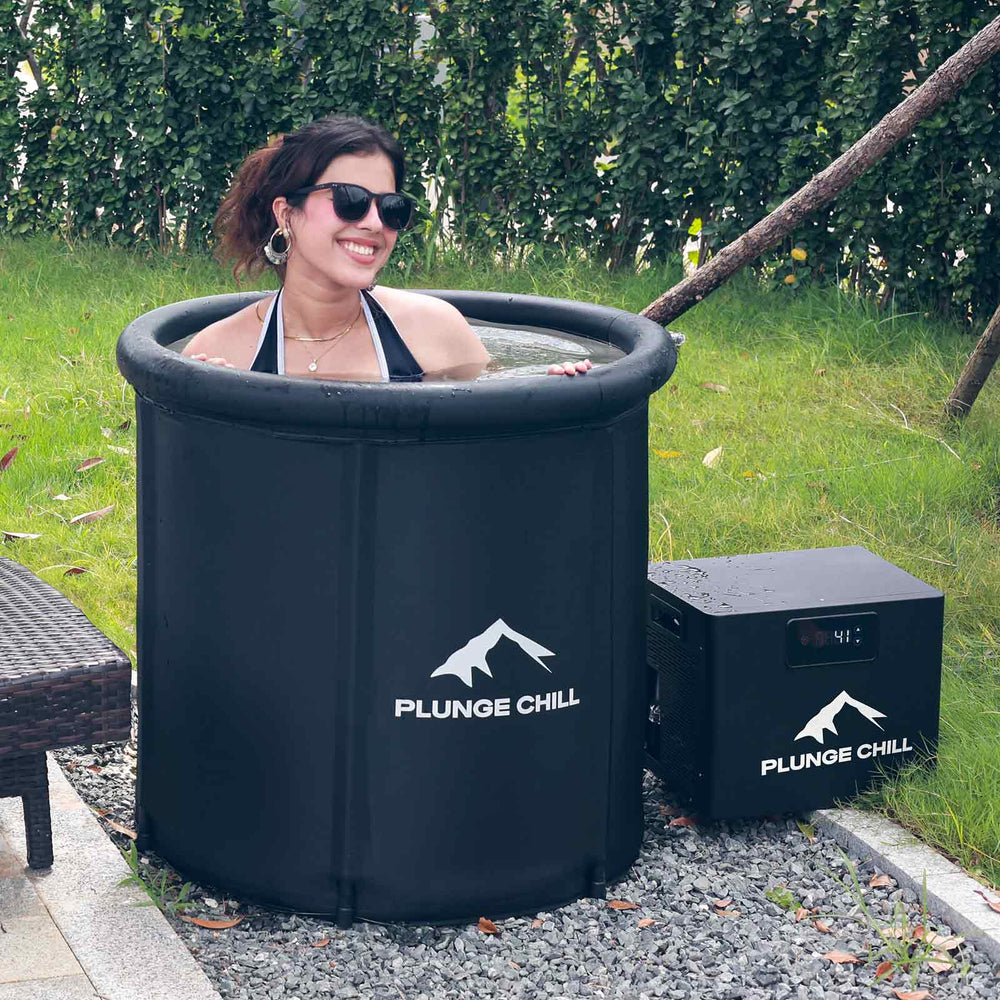
DIY systems may prove difficult to fine-tune. The use of ice may prove messy and unsteady. With the Plunge Chill Cold Plunge Chiller, the system is optimized to create a professional recovery station where you select the specific temperature that your body calls for. It is about recovery, not just getting cold.

Want to Experience the Health Benefits of an Ice Bath for Yourself?
Did you know that you can enjoy the benefits of an ice bath from the comfort of your home? That's right, you can jump into your own private ice bath after your workout to speed up your body's recovery. Let's take a look at everything you need to know to start your own ice bath journey at home.
Whether you're looking to boost your immune system, improve your athletic performance, or just adopt some healthy new habits, an ice bath is the best place to start. You'll find the best-selling portable ice baths at Plunge Chill, and we're committed to providing the highest quality ice baths at refreshingly low prices.
Frequently Asked Questions
Q1: Can I take an ice bath in winter?
Yes, but outdoor water may not always be safe. Cold water plunges outdoors can be dangerous due to thermal shock or hypothermia. Winter baths would be safest indoors with the Plunge Chill Chiller to ensure the water temperature remains constant (e.g., 45°F) and safe.
Q2: What should I pay attention to during my first ice bath experience?
The biggest challenge is the Cold Shock Response, the urge to gasp for air. Control your breathing slowly (4-second inhale, 2-second hold, 6-second exhale). During immersion, keep your hands and feet warm with booties or remove them from the water because your hands and feet will feel the coldest temperatures.
Q3: Can children take ice baths?
Not typically. Children lose heat quicker and are much more vulnerable to hypothermia even at relatively warm body temperatures. Avoid cold therapy for children unless specifically recommended by a pediatrician.
Q4: Can ice baths aid weight loss?
Ice baths can support weight loss as part of an overall approach. It's not simply burning calories shaking in the cold. Exposing your body to regular cold temperatures converts white fat to brown fat, which uses glucose and fat to produce heat. While one cold plunge may not substitute a workout routine, regular cold therapy may increase resting metabolic rate, which can increase caloric burning.